The year 2026 promises to be a turning point for the fashion industry. Practicality, adaptability, and personal style are replacing ostentatious effects. Lyst analysts note: the clothing of the future must not only look good but also align with real life — its pace, climate, and the internal needs of individuals.
Neon — as an Accent Point
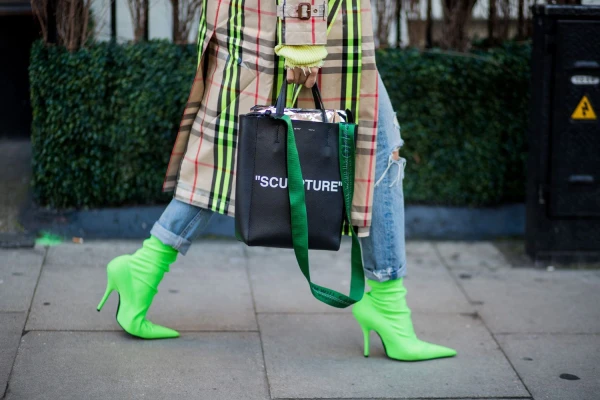
Bright neon shades are making a comeback, but in a new format. In 2026, they serve not as a primary element of the outfit, but as an expressive detail — in accessories, stockings, linings, or hair pieces. This neon looks ironic and light, referencing internet culture and playful style rather than aggressive display.
The Body as an Image, Not a Display
After a period of overt fashion, designers are taking a conceptual step towards a visual rethinking of the body. Prints, sculptural forms, and trompe-l'œil effects create the illusion of silhouettes, turning the body into an artistic element rather than an object of direct display. This reflects a growing interest in intellectual and symbolic fashion.
Individuality Instead of Imitation
In 2026, what is valued is not the trend itself, but the ability to reject mass production. Personalization becomes the foundation of style: bag accessories, vintage items, handmade pieces, and unusual details form a look that cannot be replicated. Exclusivity is increasingly defined not by price, but by taste, exposure, and the ability to combine rare elements.
Active Everyday Wardrobe
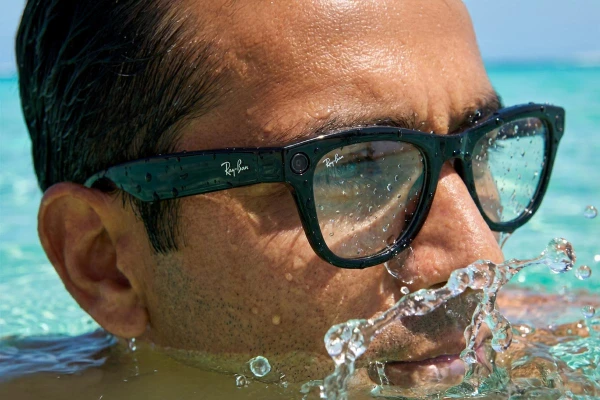
Clothing with a single function is becoming a thing of the past. Sports and functional items are becoming part of everyday style. Jackets, joggers, and technical fabrics easily transition from active environments to urban settings, responding to the demand for comfort, mobility, and versatility without sacrificing aesthetics.
New, Bold Glamour
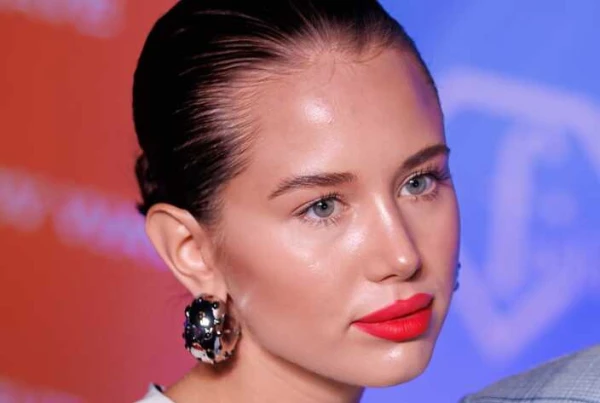
Glamour is returning in a less polished and bolder form. The fashion features a combination of contradictions, a light carelessness, and self-confidence. This "rebellious glamour" is built on the freedom of self-expression and a rejection of strict canons of ideal elegance.
Climate-Adapted Clothing
Climate change directly affects fashion. In 2026, designers are focusing on smart materials, layering, and functional solutions that are suitable for unstable weather. Practicality no longer conflicts with style — on the contrary, it becomes part of it.
Fashion in 2026 is a balance between aesthetics and reality, individuality and comfort, expressiveness and a conscious approach to clothing.