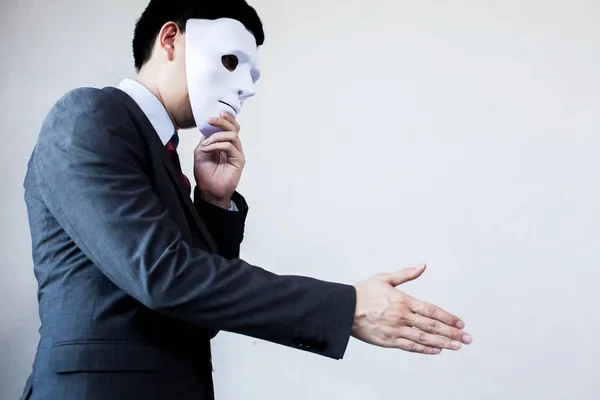
Untruth pursues you daily — at work, in family and relationships, on the Internet and social media. People lie in front of smartphone cameras and in personal communication. Some gestures and expressions can reveal the lie of the interlocutor. This knowledge will be useful to you in the art of negotiation.
What is Deception?
One can clearly define the concepts of lies, deceit, and falsehood.
First — it is not just untruth. Lies can also be silent, when facts are hidden and not spoken about.
Second can be half-truths, so that the deceived draws conclusions from the information provided that are beneficial to the deceiver.
A person can lie unconsciously, when there is no threat to them, or they may be a pathological liar and it is habitual for them.
One can ponder for a long time that all these concepts are relative. But still, you feel upset when we are lied to.
How to Recognize a Lie?
Experienced individuals can easily determine untruth or when a person is merely trying to deceive them.
This is a valuable skill, as there is no clear sign or gesture that would indicate 100% that a person is a liar.
To read your interlocutor, pay attention to non-verbal signals, but also consider the circumstances:
Observe Emotions
For example, you are being told about a sad event and tragedy, but the face and expression indicate otherwise — the inner corners of the eyebrows are not raised and are not drawn together. Before you is a false sadness.
A person smiles at you, but their eyes are neutral — they are lying.
A person says they are surprised, but they avert their eyes, and their face is tense — it means they knew everything in advance. With genuine surprise, the face is relaxed. There is even an expression "the jaw dropped in surprise," but this is not theatrically open mouth or "wide eyes."
Observe celebrities — this is a good option for training. At first, it’s a good face in a bad game, then the context changes, and you see the lie, but directed at regret and remorse.
Attention to Speech and Gestures
If words and gestures do not match, it indicates that the person is not confident, they do not have the emotions they want to show. For example, shouting and a weak slap on the table a couple of seconds later indicate a lie. An indignant person’s words and gestures will be synchronous and rigid.
Contradiction of gestures of agreement and disagreement. If a person says "no," but nods their head (even if barely noticeable) — it means they are subconsciously controlling their response. They deny everything, and their gesture indicates agreement. Thus, "no" is a lie.
When the interlocutor uses words that are not characteristic of them, terms, uses slang, or all of this is pronounced uncertainly — it is a reason to be cautious. Perhaps they are not who they claim to be, or they have made up the whole story in advance.
A person tries to control their words, and then gestures. Therefore, non-verbal signs clearly reveal their lie.
Conclusion
Yes, all of this should be assessed through the circumstances, the format of the conversation, the person's attitude towards the topic being discussed. But this will also help you to discern traces of deceit, prompt you to ask clarifying questions, and finally, learn the truth.