
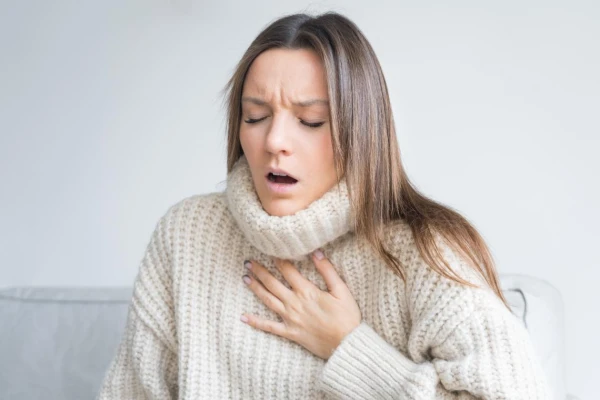
Rehabilitation after pneumonia is not a quick process. If recovery is not taken seriously, one can earn a recurrent pneumonia or other complications.
Pneumonia, or lung inflammation, is an acute respiratory disease that affects lung tissues and small air sacs called alveoli. The disease is most often caused by bacteria or viruses, and less frequently by fungi. Sometimes inflammation develops due to several pathogens at once.
"The most common bacteria that cause pneumonia are pneumococci, staphylococci, and streptococci. Viral pneumonia often occurs after influenza or a cold; sometimes the culprits are herpes, rhinovirus, or adenovirus. The fungal form is less common and develops when Candida or Aspergillus enter the lungs," says therapist Svetlana Burnatskaya to "Doctor Peter."
The disease can affect different areas of the lungs — from a small area to an entire segment, lobe, or even the whole organ. Inflammation can be unilateral or affect both lungs. The disease can develop on its own or become a complication of pre-existing conditions, such as bronchitis or influenza. Additionally, inflammation can be triggered by chest injuries and radiation therapy.
Can You Catch Pneumonia
"You can catch it through the cough or sneeze of an infected person, that is, through airborne droplets," the doctor responds. "Sometimes the infection spreads from the upper respiratory tract if there are chronic throat or nasal inflammations."
Those at the highest risk of developing pneumonia include:
- young children with weakened immune systems;
- people with chronic lung issues;
- patients with cardiovascular or endocrine diseases;
- those who smoke and abuse alcohol.
For prevention, the doctor recommends getting vaccinated against pneumococcus, Haemophilus influenzae, measles, and whooping cough. Additionally, it is important to support the immune system, lead a healthy lifestyle, limit alcohol, quit smoking, engage in sports, and harden the body.
Symptoms of Pneumonia — Typical and Atypical
Symptoms depend on the pathogen and the state of the body.
Typical pneumonia manifests with:
- high fever;
- severe cough with sputum;
- chest pain;
- shortness of breath;
- general weakness.
Atypical pneumonia is more often accompanied by:
- dry cough;
- fatigue;
- headache;
- signs of a mild cold.
"Viral pneumonia sometimes masquerades as a common cold, and severe symptoms appear after a couple of days," notes the therapist.
Diagnosis begins with an examination: the doctor listens to the lungs and assesses breathing. Blood tests, sputum analysis, and culture to identify the pathogen help clarify the diagnosis. Important methods include X-rays, computed tomography, or magnetic resonance imaging, as well as checking the oxygen level in the blood.
What Happens If Pneumonia Is Not Treated
Typically, pneumonia is treated with antibiotics tailored individually for each patient. The treatment course usually lasts from one to three weeks.
"Additionally, medications to thin mucus and open airways, physiotherapy, massage, and ultraviolet procedures may be prescribed," says Svetlana Burnatskaya.
Mild forms of pneumonia are treated at home, while moderate and severe cases require hospitalization with intravenous medication.
"If pneumonia is not treated in time, serious consequences can occur: lung abscess, pleurisy, respiratory failure, pulmonary edema, sepsis, and inflammation of the membranes of the brain," warns the therapist.
The expert emphasized: pneumonia is treatable if one consults a doctor in time.
"At the first signs of illness, consult a doctor. The absence of therapy, as well as self-treatment, can lead to severe consequences," says Svetlana Burnatskaya.
How Long Do Lungs Take to Recover After Pneumonia
After suffering from pneumonia, even with a favorable course of the disease, the body needs time to recover.
"Residual effects can persist for several weeks, and sometimes months; this is a natural reaction after lung tissue inflammation," notes the doctor.
The most common consequences after pneumonia include:
- increased fatigue and general weakness, which can last up to three months due to the depletion of energy resources and the immune system;
- residual cough often lasts 2–6 weeks and gradually resolves without treatment;
- mild shortness of breath during exertion and a feeling of air shortage may occur after a severe form of pneumonia;
- CT scans may sometimes show small areas of altered tissue or adhesions that do not affect the quality of life but require monitoring.
Rehabilitation includes a gradual return to physical activity. The doctor advises starting with short walks, gradually increasing the load.
"It is important to avoid hypothermia, sharp temperature changes, and excessive physical exertion. Maintain a gentle regimen, do not rush the body, and gradually return to your usual activities," says the therapist. "Nutrition should be complete. Cold foods, including ice cream, are not contraindicated if they do not cause discomfort."
Full recovery takes from one to six months. In elderly and weakened patients, rehabilitation takes longer.
After recovery, the doctor monitors the patient for about a year to rule out complications. The minimum requirement is a check-up with a therapist or pulmonologist 2-4 weeks after discharge. If necessary, the patient will be referred for a chest X-ray or CT scan, spirometry, and blood tests.
"If, after recovery, the temperature rises again, cough worsens, shortness of breath, chest pain, or cyanosis of the lips occurs, urgently consult a doctor," warns Svetlana Burnatskaya.






Leave a comment