Soft, relaxed models have long gone beyond the format of 'home clothing.' We explain why such clothing improves mental health and what to add to your capsule.
Soft fabrics, relaxed silhouettes, and warm shades have today become a full-fledged tool: to reduce anxiety, just like breathing practices or meditation. This fashion therapy makes real sense: cozy items help the nervous system switch, return to the sensations of the body here and now, and feel safe.
How Our State Changes When We Wear Cozy Clothes
1. The Nervous System Receives the Signal 'I Am Safe'
Soft, warm, and tactile pleasant fabrics are perceived by the body as shelter. When your body comes into contact with comfortable surfaces, the level of sensory tension physically decreases, muscles relax, breathing slows down – and the brain automatically switches to a calmer mode.
2. Fewer Micro-Irritants
Harsh seams, synthetics, tight collars, or overly narrow jeans create a constant background of discomfort that you may not notice, but the brain spends resources to reduce it. When clothing does not press or chafe, anxiety decreases, and concentration improves.
3. More Support
Cozy clothing is a quick and understandable way to regain the feeling of 'I can handle this.' The body responds predictably to comfort: less tension in the shoulders, fewer clamps, more stability. The psyche reads this as support.
4. The Effect of 'Home Warmth' Intensifies Outside the Home
A soft sweater or a voluminous scarf acts as a safe environment that you can take anywhere. A bodily anchor is created that reduces emotional reactivity: it becomes noticeably easier to endure work overloads, crowds in transport, and the endless flow of informational noise.
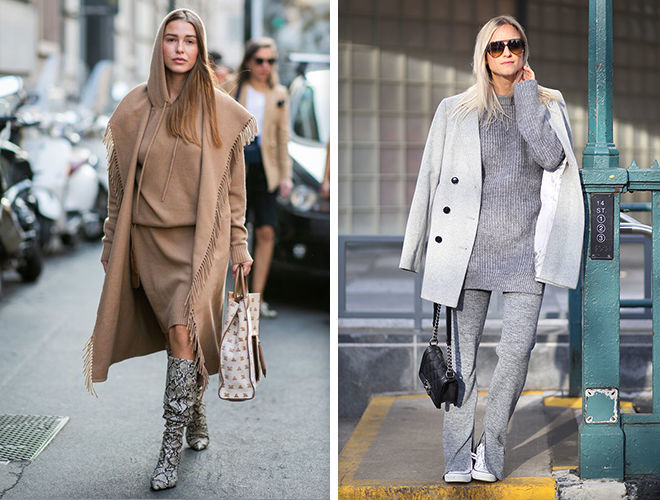
What to Add to Your Wardrobe to Reduce Anxiety
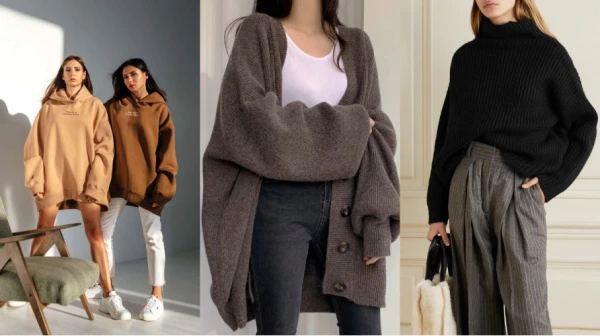
Voluminous Sweaters
Firstly, such models have already become an eternal trend of every season. Secondly, they are versatile and go with literally everything. Choose options that predominantly feature natural fabrics, such as merino wool, alpaca, or soft cotton. They create a tactile feeling of warmth, reducing muscle tension in the upper body.
Loose Hoodies Without Harsh Seams
For example, made from dense fabric, soft fleece, or sweatshirt material. The hood and volume create a sense of security, allowing you to always retreat into a 'shell' or slightly distance yourself from reality.
Knitted Pants or Joggers with a Loose Fit
They do not have to be too wide; it is important that the pants do not restrict movement. Such models reduce discomfort in the lower back and abdomen – this directly affects the level of anxiety.
Fleece or Knitted Vests
They are lighter than sweaters but provide the same feelings of warmth and support. Vests are easier to combine with light long-sleeves and turtlenecks, and they can also be worn under outerwear for an extra feeling of warmth. A vest warms the torso well, protects against the wind, and helps concentrate if you need to perform a complex, monotonous task.
This wardrobe item pairs not only with sport chic – it can be mixed with shirts, knitted dresses, and light jumpers.
Soft Solid Color Large Scarves
Will reduce stress outside and inside. Top choices include formats of shawls made from cashmere, merino wool, or any blended fabrics. Soft fibers create a feeling of warmth around the neck and shoulders, which the brain instantly associates with safety. Calm, deep shades enhance the grounding effect and do not overload the look.
Thin Cotton Long-Sleeves Without Harsh Internal Seams
The base layer matters – especially on days when anxiety rises for any reason. A long-sleeve made from soft, smooth cotton does not distract, irritate the skin, or remind you of itself throughout the day. A straight shoulder line, absence of dense seams, and slightly elongated sleeves reduce sensory load, additionally relaxing the body.
This is a case where a simple item changes the feeling of oneself: in a soft base layer, it is easier to endure long working hours and switch between tasks.