
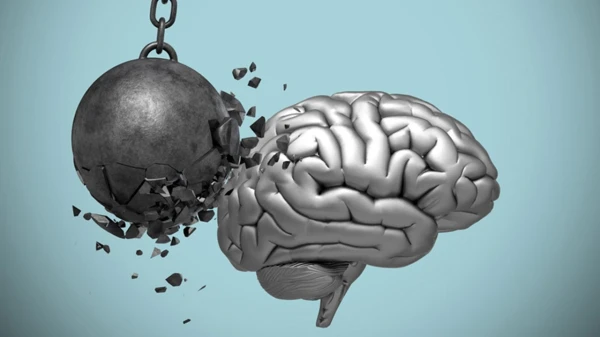
We tend to think that stress is dangerous only in the moment. However, even a single severe shock can trigger processes in the brain that manifest weeks or even months later — when it seems that everything is long behind. The publication The Science Explorer reports: a single stressful event can cause delayed increases in electrical activity in the brain, primarily in the amygdala — a small almond-shaped structure deep within the temporal lobe.
The amygdala plays a key role in processing emotions, forming memories, and making decisions. Changes in this area are often linked to the development of post-traumatic stress disorder (PTSD), which frequently does not manifest immediately but rather some time after the trauma.
What Happens in the Brain After Severe Stress
Immediately after experiencing shock, the activity of the amygdala may remain unchanged. However, about ten days later, scientists observe an increase in anxiety and structural changes in neurons, particularly in this area of the brain.
At the molecular level, the NMDA receptor — a protein involved in learning and memory processes — plays an important role. Research has shown that if this receptor is blocked during stress, it is possible not only to prevent the formation of new neural connections but also to halt the subsequent increase in amygdala activity. For science, this means the emergence of a potential "therapeutic window" — a period after trauma when it is still possible to reduce the risk of delayed psychological consequences.
In other words, the brain does not simply record the stressful episode. It continues to "process" it over time, forming new neural pathways that then influence emotions and overall mental state.
Why This Matters
Even a single traumatic experience does not always manifest immediately. Psychological trauma can unfold gradually — over days or weeks. Recognizing this fact helps individuals pay closer attention to their state and seek support in a timely manner.
Understanding how exactly the brain responds to stress opens up prospects for new methods of prevention and treatment of PTSD. Scientists suggest that in the future, it may be possible to specifically target NMDA receptors after trauma, reducing long-term damage to mental health.
Practical Advice
If you or your loved ones have experienced a severe shock, do not ignore the warning signs: nightmares, irritability, sleep disturbances, apathy, or sudden mood swings. Early consultation with a psychologist or psychotherapist can significantly reduce the risk of delayed consequences.
The brain remembers more than it seems. Even a single difficult day can leave a mark for a long time. But modern scientific research offers hope: by understanding the mechanisms of trauma, we learn to protect our emotional and mental health.















Leave a comment