
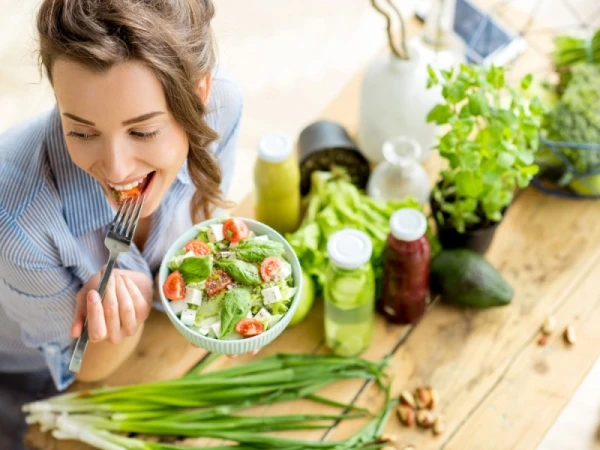
Our body is a complex mechanism that requires constant attention. And it’s not just about sports and maintaining hydration, but also about healthy eating.
Why It’s Important to Eat Vegetables Every Day
Vegetables are the main source of dietary fiber, which acts as a natural "scrub" for the intestines, normalizes digestion, and creates a feeling of fullness. Additionally, fibers serve as food for beneficial microbiota and strengthen the immune system.
All vegetables are rich in antioxidant vitamins that combat oxidative stress and protect cells from damage, reducing the risk of chronic diseases. Vegetables also contain phytonutrients—biologically active compounds that have anti-inflammatory properties.
Incorporating a variety of colorful vegetables into your diet makes it easier to maintain a healthy weight, control blood sugar levels, and combat cravings for unhealthy foods.
How to Eat Vegetables Every Day
Below are useful tips that will not only diversify your menu but also improve your health.
1. Add Neutral-Tasting Vegetables to Smoothies and Protein Shakes
If you plan to improve your fitness and health, your diet should include healthy protein drinks. Add not only fruits but also neutral-tasting vegetables to their compositions.
Spinach and kale fit perfectly into a banana-berry drink, while beetroot and carrots work well in an apple-ginger one. Experiment with flavors and keep a record of the most successful smoothie recipes to make them again later.
2. Keep Frozen Vegetable Mixes in the Freezer
Frozen vegetables are just as nutritious as fresh ones. They can be prepared in 5–10 minutes by steaming or thrown in the oven with chicken or fish to create a complete and tasty dish.
Pay attention to ready-made "Mexican mixes." Typically, they contain spinach, cauliflower, broccoli, and green beans. If desired, you can add carrots, sweet potatoes, and corn to this mix.
3. Start Each Meal with a Serving of Vegetables
Before you dive into the main dish, whatever it may be, eat at least a small plate of vegetables. You can prepare a salad of cucumbers, fresh greens, and avocado, shred cabbage with carrots, or simply cut a couple of tomatoes and red onions.
This new habit will not only improve your health but also make it easier to control hunger. Despite their low calorie content, vegetables take up a lot of space in the stomach and provide a feeling of fullness, so their consumption promotes weight loss.
4. Cook More Pureed Soups and Light Broths
Soups are ideal dishes for lunch. They are associated with home comfort, keep you full for a long time, and can be rich in various vitamins.
Try making a pumpkin soup with zucchini or red lentil soup with carrots. Add a bit of onion and broccoli for a vibrant flavor. A tomato soup will also turn out to be equally healthy and tasty.
5. Snack on Vegetables
Carrots, cucumbers, bell peppers, celery, young asparagus, and green beans are perfect for making a healthy snack. Cut the vegetables into small sticks or slices. Dip them in chickpea hummus, guacamole, or a sauce made from Greek yogurt with herbs.
If you plan to go on a trip, make vegetable chips. For this, slice beets, carrots, zucchini, or pumpkin into thin rings. Drizzle them with a small amount of oil and your favorite spices, then place them on a baking sheet lined with parchment paper. Bake the vegetables for 15–25 minutes on each side. Once the chips are completely cool, store them in an airtight container.
6. Cook More Asian Dishes
For those who love to experiment in the kitchen and are inspired by Asian culture, we recommend adding more Chinese, Japanese, and Korean dishes to your diet. They are typically rich in vegetables and have a rich flavor.
To start, you can make kimchi—a fermented dish made from napa cabbage and radish—or learn to wrap spring rolls with cucumber, carrots, mint, and bean sprouts. A poke-style salad with rice will also turn out to be equally healthy and tasty.
7. Replace Part of Your Side Dish with Vegetables
The goal here is not to completely deprive yourself of your favorite potatoes or pasta, but to replace part of the classic carbohydrates with vegetables. This will help you get more vitamins, increase the portion size without harming your figure, and diversify the flavor notes.
Next time, try mixing cooked rice or another grain with a large amount of finely chopped vegetables—they will release their juices, making the dish juicy and rich. You can also mix boiled potatoes with cauliflower or broccoli to make a hearty and healthy puree.
8. Eat Fermented Vegetables
There are several reasons why these superfoods should be included in your diet. First, they are rich in probiotics, which displace pathogenic microorganisms and create a healthy microbiome. Second, fermentation breaks down hard-to-digest compounds and phytic acid found in vegetables. As a result, vitamins and minerals become more bioavailable, meaning the body absorbs them much more easily. Third, fermented products are rich in enzymes that help break down food and reduce the load on the pancreas.
The most accessible fermented product is sauerkraut. You can also quickly prepare pickles, spicy Korean carrots, or a pepper sauce.














Leave a comment