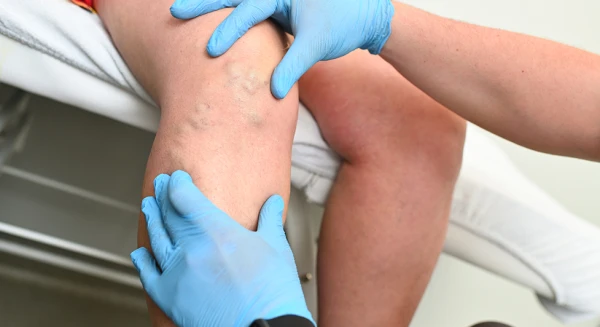
A sedentary lifestyle, sitting jobs, regular stress, poor nutrition, and many other factors affect the health of the veins. Varicose veins, hemorrhoids, thrombophlebitis, chronic venous insufficiency, and other diseases do not occur suddenly, but gradually.
In the early stages, you may not even notice symptoms, but over time the disease begins to progress and can lead to serious complications. Venous diseases can be prevented by adopting healthy habits. What are they? We learned from phlebologist, surgeon, ultrasound diagnostician, lymphologist Olga Dubrovskaya.
What is Venous Tone?
A vein is a vessel through which blood moves from the lower parts of the body to the heart. Its wall consists of three layers: inner, middle, and outer. Unlike arteries, venous walls are thinner and less elastic, as they contain fewer smooth muscle and elastic fibers. However, due to a well-developed outer layer, veins can significantly stretch. The tension in their walls, which occurs when smooth muscle cells contract, is called venous tone.
On the inner lining of the veins, there are valves that prevent blood from flowing backward and help overcome gravity. Their function is supported by the leg muscles—especially the calf muscles. When the muscles contract during walking or physical exercises, they compress the veins and promote the upward movement of blood. This coordinated action forms a muscle-venous pump that ensures normal blood flow from the lower extremities.
"If the valves stop functioning, blood begins to stagnate. Initially, the venous wall withstands increased pressure, but over time it weakens, stretches, and loses elasticity. This leads to a decrease in vascular tone, slowed blood flow, and the formation of varicose veins," notes Olga.
Age-related changes, pregnancy, hormonal imbalances, excess weight, smoking, alcohol consumption, injuries, chronic diseases, and a sedentary lifestyle also affect venous tone.
Therefore, it is important for everyone to know how to strengthen the vascular wall and increase its elasticity. The measures are comprehensive—doing just one thing is not enough; it is better to do everything at once. Or at least alternate habits.
Movement is Life!
An active lifestyle is very beneficial for the vessels. The main thing is not to overdo it and avoid overloads. For example, weightlifting, long-distance running, CrossFit, and powerlifting, on the contrary, increase the load on the veins and can worsen their condition.
"It is best to focus on moderate physical exercises. Nordic walking, swimming, Pilates, yoga, stretching, dancing, cycling, and aqua aerobics are good for increasing venous tone and strengthening the vascular wall. Daily walks at a calm pace in the fresh air are also beneficial. At home, you can do exercises like 'scissors', 'bicycle', and calf raises," advises the expert.
Watch Your Diet
The health of the vessels largely depends on nutrition. Your diet should be balanced, enriched with all necessary substances. To strengthen the walls of the veins, it is important to consume foods rich in rutin (buckwheat, nuts, black currants). Don’t forget about healthy fats found in fish, seafood, and vegetable oils—they increase the elasticity of the vessels. It is also essential to include fiber in your diet (found in vegetables, fruits, and greens) to avoid constipation and hemorrhoids.
"There is an opinion that water should be consumed at a rate of 30 ml per 1 kg of body weight to ensure normal blood circulation and avoid stagnation in the veins. This is not entirely correct. Water is consumed according to the body's needs, not based on calculations. We get fluids not only from water. Excessive consumption can lead to the appearance and progression of edema in varicose veins," notes Olga.
When organizing your diet, you should also:
-
Reduce the intake of overly fatty foods, fried dishes, fast food, simple carbohydrates, ready-made sauces, semi-finished products, chips, and baked goods;
-
Cut down on caffeine and alcohol.
Watch Your Weight
"Excess body weight significantly increases the load on the joints, cardiovascular system, and the body as a whole. The primary cause of varicose veins is genetics. Losing weight will help reduce pressure on the venous system and vascular wall, improving the overall condition of the veins," says the expert.
Love Contrast Showers
A contrast shower is an effective habit aimed at strengthening the vascular wall, increasing vascular tone, and improving blood circulation. Temperature fluctuations train the walls of the veins, reduce the risk of varicose veins, and slow down the aging processes of the vessels. A contrast shower also improves lymph flow, relieves the feeling of heaviness in the legs, and combats swelling.
"However, a contrast shower should be taken correctly. Start with warm water, then gradually switch to cool water. Ideally, spend 10–15 seconds at each temperature. Alternate at least 4–5 times. It is recommended to finish the procedure with cool water. Cool rinses and foot baths with herbal infusions (mint, chamomile, calendula, horse chestnut) are also beneficial for the veins," gives recommendations Olga.
Choose Your Clothing Wisely
Surprisingly, but true: the clothing you wear also affects the health of your vessels. Prefer items that do not restrict movement, do not compress the legs, and do not disrupt blood circulation.
"The best choice is loose pants, soft jeans, oversized clothing. Shoes should also be comfortable, with a good last, wide toe box, low heels, or flexible soles. Avoid shoes with narrow toes, high heels, or those that do not fit the fullness of your foot. An anatomical or orthopedic insole would also be beneficial," notes the expert.
Try to Avoid Staying in One Position for Long
Static positions while sitting or standing worsen the condition of the veins. We understand that in the modern pace of life, many jobs involve prolonged sitting at a computer. But try to take breaks every hour. During this time, walk around the office, rotate your feet, or do a light warm-up right at your workstation.
If your job involves standing, you should also take breaks. During these breaks, it is helpful to walk around, and even better—to sit with your legs elevated to facilitate blood flow.
What else can be done?
-
Do not lift heavy weights.
-
Sunbathe in the shade.
-
Do not abuse visits to the bathhouse.
-
Whenever possible, walk barefoot on grass, sand, or pebbles.
-
If you experience any discomfort (pain, swelling, changes in skin color on the legs), seek an in-person consultation with a phlebologist.