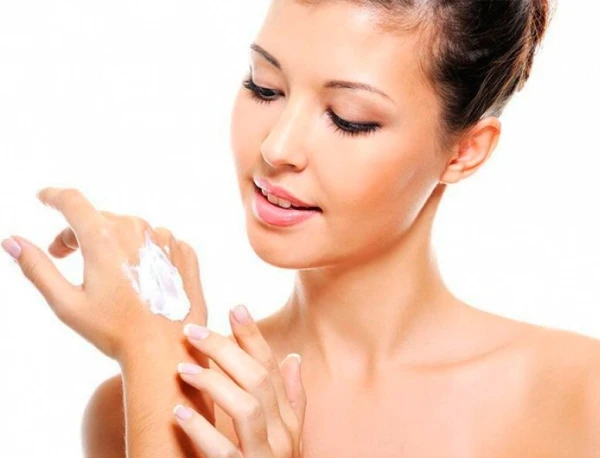
Winter has taken hold, despite the calendar — and not everyone is happy about the snow and sub-zero temperatures. The skin on the hands becomes thinner, loses moisture, reddens, roughens, and develops microcracks. This is where glove creams become relevant — products that not only moisturize but also create a protective film and restore the barrier. Cosmetologist Irina Gorlova provided key guidelines to help choose and use hand products correctly.
Thick Texture as the Main Ally
In winter, light gels, lotions, and fluids are practically useless; thick, rich creams are needed. "Such products contain more oils, waxes, and lipids that retain moisture and protect the skin from aggressive environments. A good glove cream feels like an invisible layer of fabric on the skin. It not only softens but also physically protects against cold and wind," explains the doctor.
Ingredients That Work for Recovery
Look for components such as shea and cocoa butters, panthenol, glycerin, squalane, lanolin, ceramides, and vitamin E in the composition. They replenish lipids, heal microcracks, reduce inflammation, and restore skin elasticity. Products containing beeswax or new-generation silicones have an additional advantage. They create the effect of that "glove" without interfering with the skin's ability to breathe.
Application Regimen Is More Important Than the Brand
The cream should be applied every time before going outside, at least 20–30 minutes in advance, so it can absorb and form a protective layer. "Reapplying after washing hands is essential, and in the evening, it's better to use an even thicker version and let it work overnight. You can even wear cotton gloves to enhance the effect," advises the cosmetologist.
Consider Additional Risk Factors
The skin especially suffers for those who frequently wash their hands, use antiseptics, come into contact with cleaning agents, or wear synthetic gloves. In such cases, regular cream twice a day is not enough — it's better to carry a small tube with you and refresh protection every few hours. It’s also advisable to replace aggressive soap with gentle cleansing products with a neutral pH.
Cream Is Part of a Comprehensive Strategy
The condition of the hands' skin is directly related to hydration, fat levels in the diet, and the overall state of the body. Omega-3, vitamins A and E, adequate water intake, and air in a room with normal humidity enhance the effect of any cream. When the body receives nourishment from within, external care works much more effectively.