
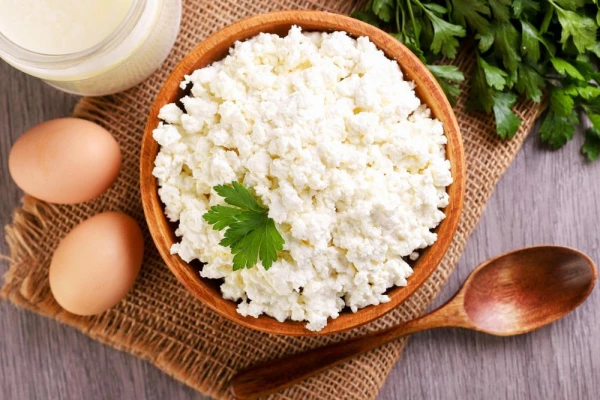
Cottage cheese is a popular product worldwide that has beneficial properties: it is high in protein and low in fat. However, at the same time, some people should avoid it.
Benefits of Cottage Cheese
In addition to its high protein content, cottage cheese is also rich in vitamins and minerals such as calcium, phosphorus, magnesium, and B vitamins, which are essential for bone health, energy metabolism, and red blood cell formation. It contains a small amount of saturated fats.
Should You Eat Cottage Cheese Every Day?
Cottage cheese can be used as a substitute in any recipe that calls for mayonnaise, sour cream, or heavy cream. It is also a great ingredient for salad dressings and pasta sauces.
Although it is versatile, it contains relatively high sodium levels. A 1/2 cup of cottage cheese contains about 350 mg of sodium, while the same amount of whole milk Greek yogurt contains only about 42 mg.
Adults should consume less than 2300 mg of sodium per day to reduce high blood pressure and the risk of heart disease.
You can buy low-sodium and sodium-free cottage cheese, but it is better to maintain a varied diet rather than focusing on one type of food.
Who Should Avoid Cottage Cheese?
Despite the numerous positive qualities of cottage cheese, its contraindications should be considered. An improper product can lead to negative consequences for the body and cause stomach problems, so it is important to choose only high-quality and natural products for consumption.
It is also important for people with the following conditions to avoid it:
- Atherosclerosis
- Some forms of gastrointestinal diseases, such as gastritis
- Lactose intolerance
- Individuals with poor kidney function
- People who are overweight or obese are advised to limit their intake, as high-fat products are quickly absorbed by the body, which can lead to excessive fat and calorie consumption.
Additionally, it is wise to consume cottage cheese in the first half of the day due to the presence of casein protein, which can lead to swelling, and a large amount of animal fat can negatively affect liver and kidney function.
Source: rbc
















Leave a comment