
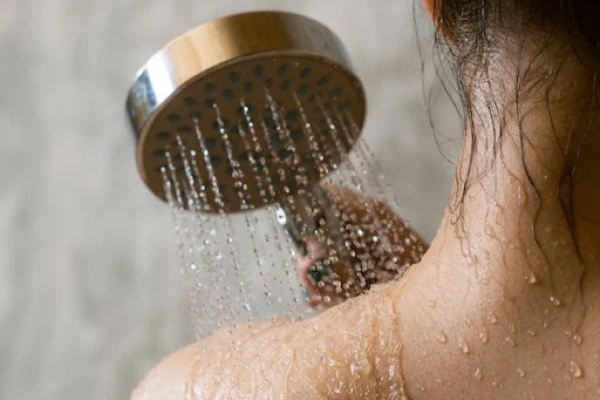
With the arrival of autumn's chill, the desire to lie in a hot bubble bath emerges. It seems that this is the only thing that can save you from fatigue, while cool water in the morning sets the tone for the workday. But don't rush to turn on the tap. It turns out that water temperature affects the condition of the skin. Too hot or cold showers can damage the epidermis and lead to redness. Together with Alexey Snitko, a dermatologist, we explore what temperature is suitable for your skin and how to avoid unpleasant sensations after a shower.
How Does Water Temperature Affect the Skin?
Changes in water temperature trigger reactions that alter the balance and rate of metabolic processes in the skin and the body as a whole.
What Happens to the Skin During a Hot Shower?
When exposed to hot water, the tone of the vascular wall changes – it relaxes, which increases the diameter of the vessel, enhancing the flow of oxygen and nutrients.
Disadvantages
— Acne development. Regular hot showers stimulate the secretion of sebum, which increases skin oiliness and leads to the appearance of pimples.
— Exacerbation of psoriasis, eczema, atopic dermatitis. A hot shower activates inflammatory processes, so chronic skin diseases that you may not have known about can flare up.
Advantages
— Easing skin cleansing. A hot shower expands the ducts of the sebaceous glands, allowing the skin to cleanse more quickly. This method is also used in cosmetology – before mechanical peeling, the face is steamed to ensure the procedure is effective and less painful.
What is the Optimal Water Temperature for the Skin?
For a daily shower, water at 36–37 °C is suitable. It is close to our body temperature. At this temperature, favorable parameters for the functioning of the body are maintained.
One of the best means for maintaining vascular tone, the health of skin glands, nerves, and the skin itself is a contrast shower. It should be taken in the morning or evening, avoiding heavy physical exertion beforehand to harden the body.
The optimal temperature for cold water is 15–20 °C for 15–20 seconds, and for hot water, it is 40–45 °C for 25–40 seconds. It is important to avoid a temperature difference of more than 30 °C. The number of temperature change cycles should be between 3 and 6. However, like any other procedure, contrast showers have a number of contraindications, so it is advisable to consult a specialist before using them.
When to Take a Hot or Cold Shower?
There are situations when a brief cold or hot shower can be extremely beneficial. It is mainly used for quickly restoring normal body temperature. For example, after a winter walk, a 1–2 minute hot shower can help restore energy and prevent respiratory illnesses. In summer, if you have overheated in the sun, a 30–40 second cool shower can help.
Overall, the effect of water at different temperatures on the skin can be recommended for treating certain conditions. In some cases, inflammation needs to be suppressed, in others, blood flow needs to be enhanced, and in some situations, it is necessary to limit any contact with water during treatment.















Leave a comment