
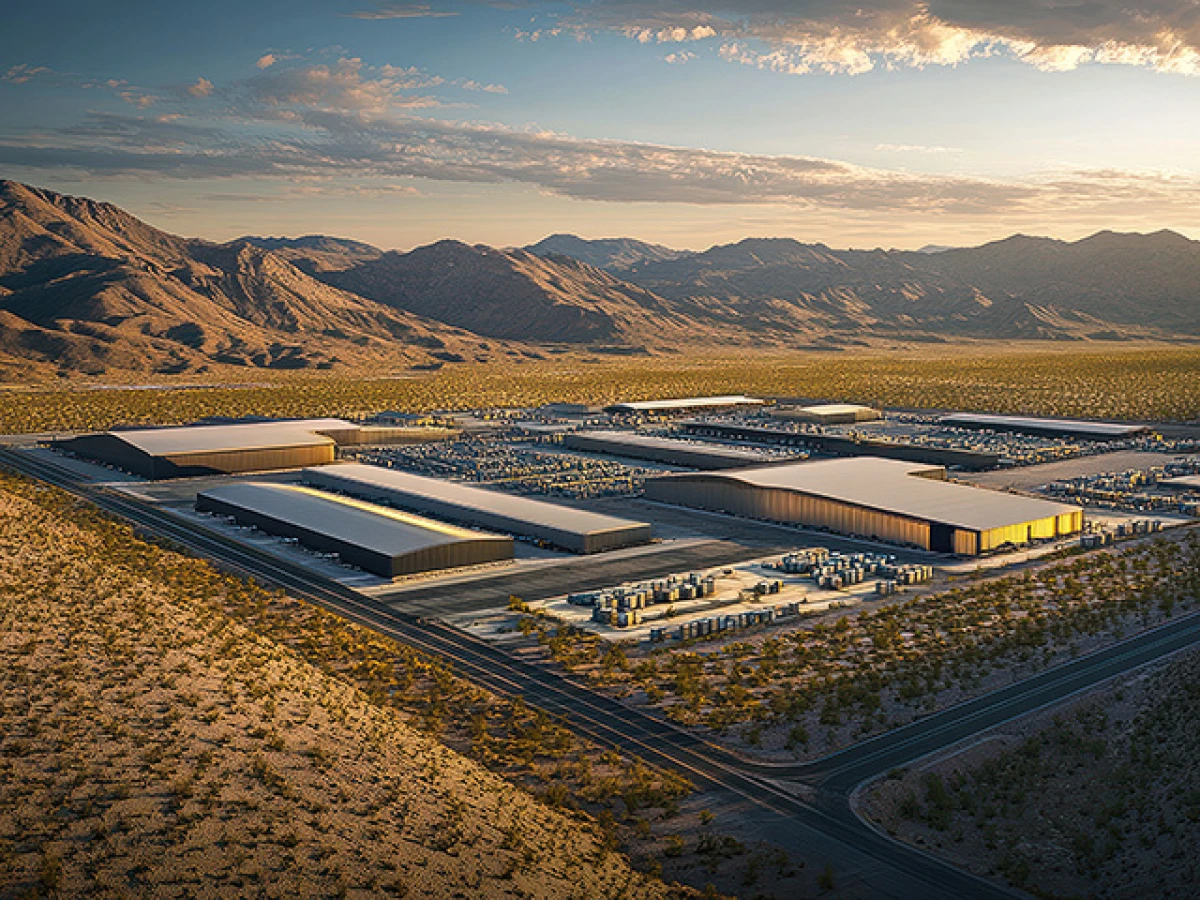
Data centers already consume as much energy as all of Saudi Arabia.
One of the most common arguments in favor of the rapid growth of data centers is that over time, artificial intelligence will become more energy-efficient, and thus will consume fewer resources. However, a new UN report shows that this logic may be flawed. The authors of the study warn that despite the increased efficiency of AI models, overall energy consumption will continue to rise. It is projected that by 2030, artificial intelligence systems will use about 3% of the world's electricity. The associated carbon emissions could reach the level of emissions from the United Kingdom, and the amount of water needed to cool data centers will exceed the annual drinking water needs of the Earth's population.
At the heart of this forecast is the so-called "Jevons Paradox" – an economic principle that states that an increase in the efficiency of resource use leads not to a reduction in its consumption, but rather to an increase. In the 19th century, economist William Stanley Jevons noted that more efficient use of coal in England did not decrease the demand for it: lower costs made coal more accessible and expanded its applications. According to the authors of the report, a similar process is occurring with artificial intelligence. As AI becomes cheaper and more convenient, companies and governments find more ways to apply it. As a result, the growth in usage can completely negate the environmental benefits gained from technological improvements.
To avoid such a scenario, the UN proposes to develop AI based on the principles of transparency, environmental responsibility, fairness, and international cooperation. The document emphasizes the need to consider the impact of technologies on the environment at all stages – from resource extraction to electronic waste disposal.
Even today, the scale of energy consumption is impressive: last year, data centers used as much electricity as Saudi Arabia – one of the largest countries in the world by this measure. If the forecasts of a twofold increase in consumption come true, then to compensate for the emissions, about 6.7 billion trees will need to be planted over ten years. Additionally, AI infrastructure requires vast amounts of water and land. Approximately 9.3 trillion liters of water will be needed to service data centers, and the area they occupy could be nearly ten times larger than Mexico City.
The authors emphasize that the scale of AI's environmental impact depends not only on the popularity of the technology but also on how it is used. Text generation, image processing, video creation, and software coding require different amounts of computational resources, and various AI models differ in their energy consumption levels.














Leave a comment