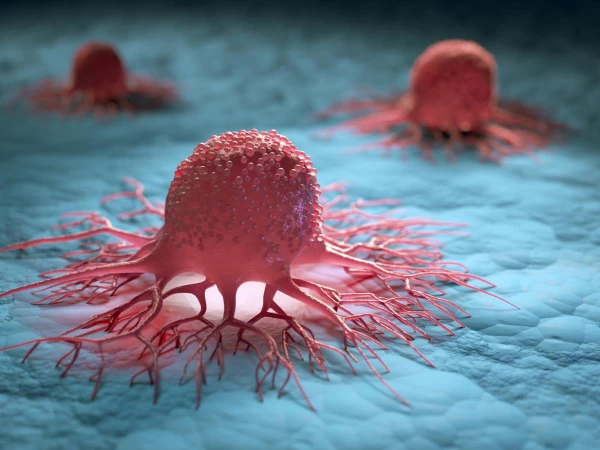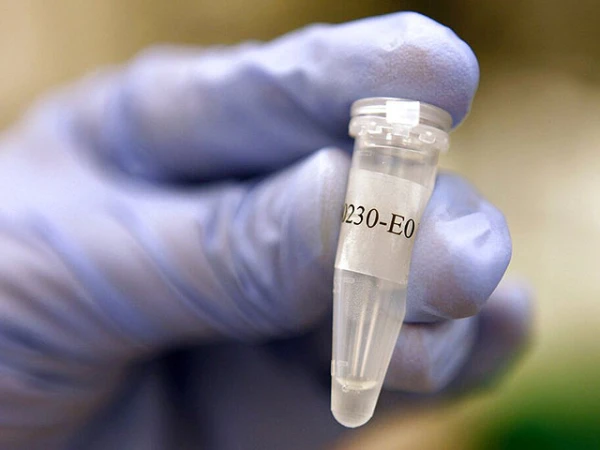
The device operates on the principle of using genetically modified cells.
Scientists from Northwestern University (Illinois, USA) have developed an implant called HOBIT – a hybrid bioelectronic system capable of simultaneously producing and delivering multiple medications into the body. In experiments on rats, the device consistently released three drugs, including a compound from the GLP-1 group. Meanwhile, the built-in oxygen production system allowed most of the modified cells to remain viable for at least a month.
The authors believe that such technology could serve as the basis for cell therapy: small implants could provide the body with the necessary doses of medications without the need for regular intake. This is especially important for people with chronic diseases who find it difficult to adhere to complex treatment regimens. The device operates on the principle of using genetically modified cells that produce the required substances directly within the body. The implant is placed under the skin and protects the cells from the immune system, allowing them to function for an extended period.
One of the main challenges of such technologies has been ensuring that the cells receive oxygen. To address this, the scientists developed a system that uses electricity to split water and autonomously produce oxygen.
Tests showed that in devices with this system, the levels of all three medications remained stable over the course of a month. In conventional implants without oxygen, the concentration of drugs, especially those with a short duration of action, quickly decreased. By the end of the experiment, HOBIT retained about 65% of viable cells compared to approximately 20% in control devices. An additional experiment on a macaque confirmed that the implant could be safely installed and then removed without serious side effects or significant immune response.