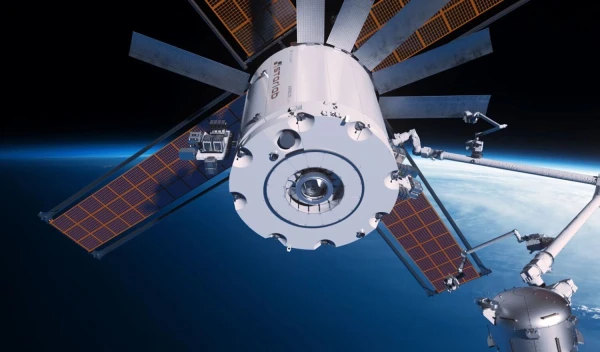
Voyager Space is developing a private orbital station called Starlab.
The launch cost of the Starship rocket has been revealed — $90 million. Extremely cheap by space standards!
Elon Musk's Starship is a unique development. On one hand, it is the second stage of a super-heavy rocket, and on the other, it is a fully-fledged reusable spacecraft. The technology is brand new and enormous, while the price is remarkably low.
The company SpaceX has not yet disclosed the launch cost of Starship. The information surfaced accidentally. Voyager Space is developing a private orbital station called Starlab, which is expected to replace the ISS in the future.
In its profit and loss report, the company mentioned that it had signed a contract with SpaceX to send its station for $90 million.
Starlab will be launched on Starship — there is no doubt about that, as Voyager does not intend to assemble the orbital station from numerous small modules. They want to start with an impressive structure with a diameter of 8 m and a mass of 80 tons. This results in $1,125 per 1 kg of payload.
How SpaceX Makes Money
Besides Starship, only the lunar rocket SLS can lift such a mass into orbit. However, it is not designed to work as a universal truck, and the cost of a single launch is estimated at $4 billion. Almost 45 times more expensive!
The production cost of Starship is unknown. The rocket has not even taken its final form yet. But that does not matter. The cost of this rocket should concern no one except Musk himself and other SpaceX investors. For customers, the important factor is the cost of the service for launching payloads into orbit. Just as a bus passenger is only concerned about the ticket price, not the cost of the entire bus.
Previously, the math for customers was bleak but simple. The launch cost consisted of the cost of the rocket itself, its preparation, fueling, and launch services. This formula is relevant for most rockets in use, but Elon Musk has broken the paradigm.
Thanks to reusability, the Falcon 9 rocket has turned into those very commuter buses. Launching a rocket is no longer a unique event but a routine service. SpaceX initially monopolized the market with throwaway prices of around $60 million for a Falcon 9 launch, and now they have raised the prices to $74 million ($3,363 per 1 kg).
How Much Does It Cost to Launch a Rocket
Only SpaceX publishes prices for rocket launches on its website. Want to get the entire rocket — pay those $74 million and receive a payload capacity of up to 22 tons. Want to launch a small satellite — for $350,000 you get a slot for 50 kg. Each subsequent kilogram will cost $7,000.
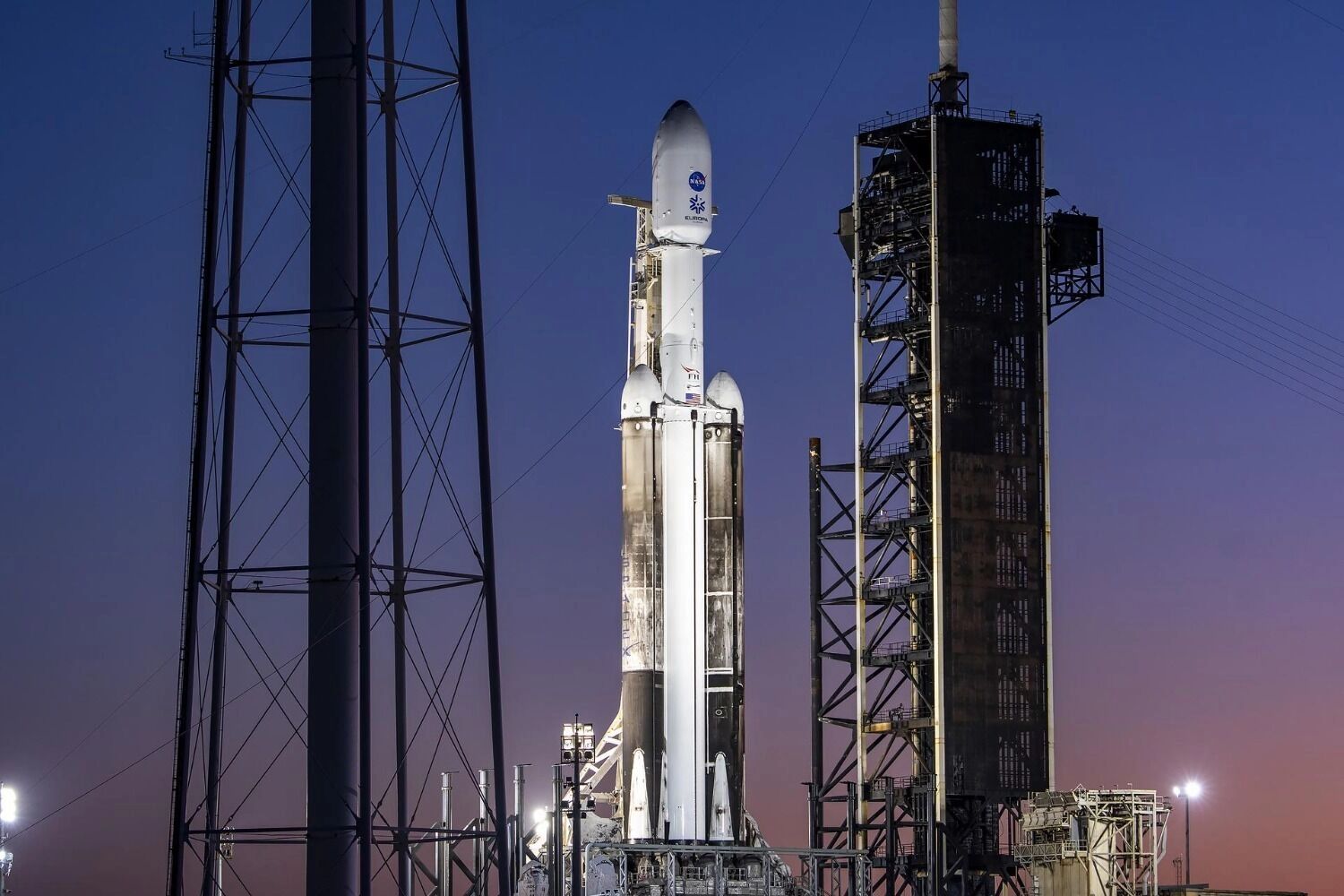
With Falcon Heavy, things are a bit more complicated. This rocket flies less frequently, and current prices for it are not specified. However, in 2022, SpaceX asked for $97 million for a mission with the return of three main boosters. Since then, the price of launching Falcon 9 has increased by 10%. With such indexing, sending 63.8 tons of cargo into orbit (the maximum payload for Falcon Heavy) should now cost around $107 million ($1,677 per 1 kg).
This is not as profitable as the future Starship, but still, compared to competitors with disposable rockets, the prices are attractive.
For example, launching the American Vulcan Centaur rocket from United Launch Alliance (a joint venture of Boeing and Lockheed Martin) with a payload capacity of 27.2 tons costs approximately $110–200 million (the price depends on the specific mission and customer — the military always pays more). The Ariane 6 from the European Space Agency with a payload capacity of 21.6 tons will cost the customer $75–115 million (from $3,472 per 1 kg).
The only one who could dampen Musk's spirits is Jeff Bezos with his reusable New Glenn rocket. With a payload capacity of 45 tons, the launch cost is estimated at $68 million ($1,511 per 1 kg).
For customers with small devices, launches of light and ultra-light class rockets may be of interest. The Indian PSLV costs a laughable $15–31 million by space standards, but its payload capacity is only 3.8 tons ($3,947 per 1 kg). The Electron from Rocket Lab costs only $7.5 million but can only launch 300 kg into orbit ($25,000 per 1 kg).
Roscosmos: Old Rockets, High Prices
In Russia, the market for commercial space services is virtually non-existent. Launches are ordered either by the military or by Roscosmos itself. On the government procurement portal, the most recent rocket orders date back to 2020.
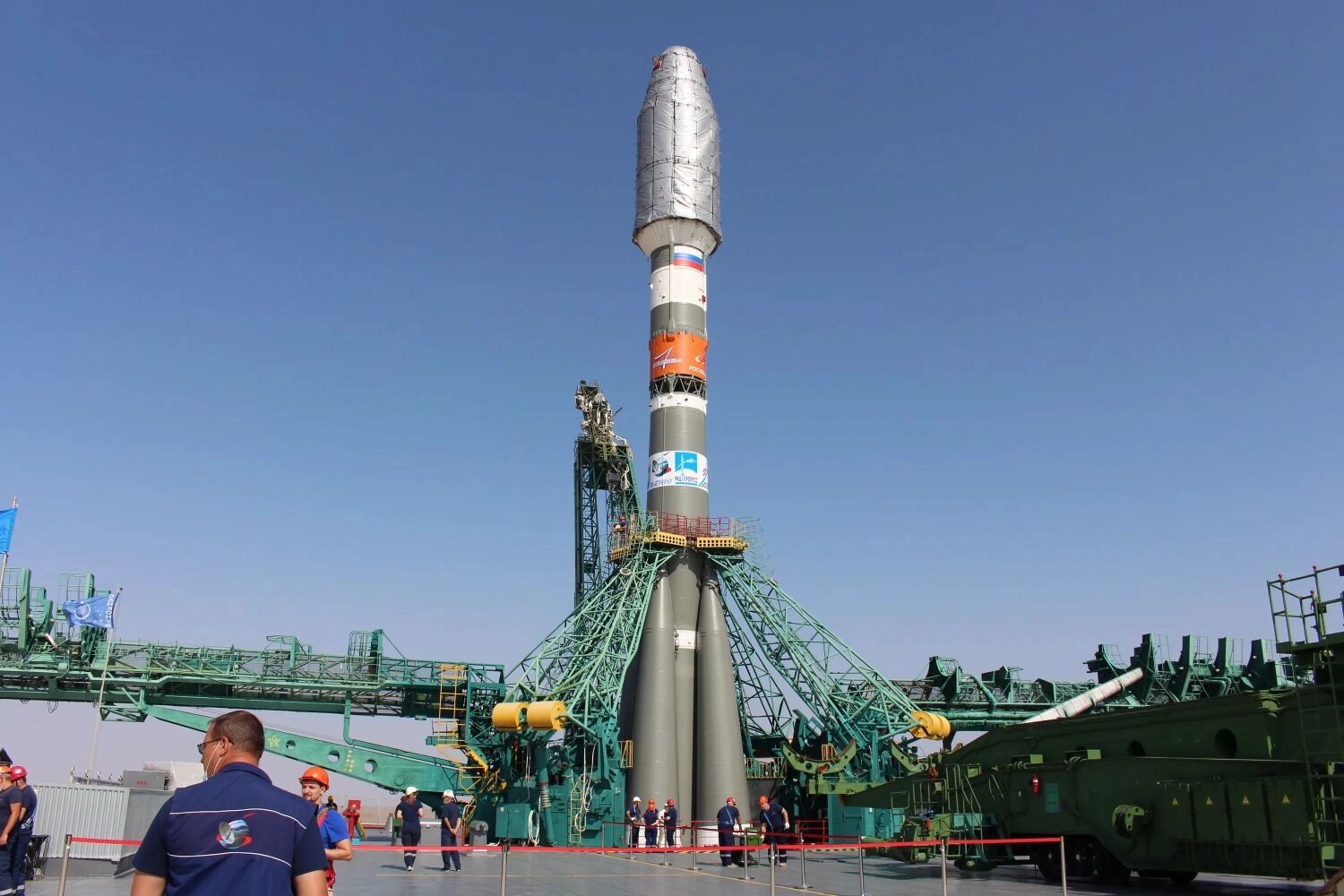
The Proton-M in its bare form cost 2.33 billion rubles at that time, while the most popular Soyuz-2.1b rocket cost 1.5 billion rubles. Together with preparation and launch services, in 2021 the entire package cost about 2.55 billion rubles or $35 million. The maximum payload is 8.25 tons. If the dollar prices have not changed in recent years, sending 1 kg into space costs $4,242, a quarter more than on Falcon 9.
The heavy-class Angara-A5 rocket has only undergone test flights so far — there is no commercial market for it yet. However, for the Ministry of Defense, each rocket launch cost about 5 billion rubles. Not bad, but the production cost was then 7 billion rubles ($100 million at the June 2020 exchange rate).
How much more needs to be added for the Khrunichev Center to make a profit, to deliver the rocket to the cosmodrome, prepare it, fuel it, and launch it — is unknown. But with such production costs, competing with Western counterparts is very difficult even without considering sanctions.
<iframe width="560" height="315" src="https://www.youtube.com/embed/mEvQKJ3Ge08?si=Zict60O4lUVAQmjG" title="YouTube video player" frameborder="0" allow="accelerometer; autoplay; clipboard-write; encrypted-media; gyroscope; picture-in-picture; web-share" referrerpolicy="strict-origin-when-cross-origin" allowfullscreen></iframe>