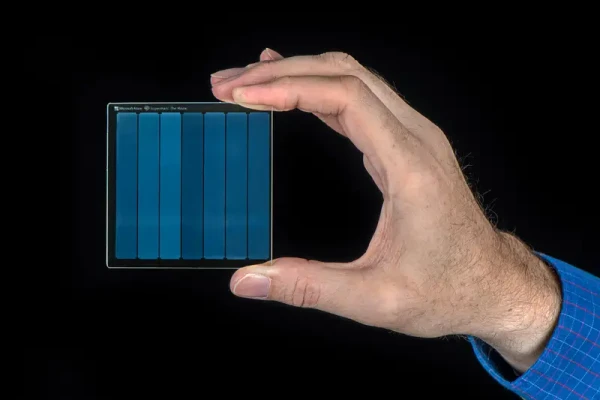
The material can even be boiled, and the information will remain.
Researchers have built a system that uses femtosecond lasers and inexpensive borosilicate glass for dense data storage. Experts expect that their technology will keep data readable for 10,000 years.
For humanity, it is critically important to store and transmit knowledge. Which mushroom is poisonous, how to brew beer, how to effectively treat and educate? Writing has allowed each generation not to learn this from scratch. However, none of the information carriers provide eternal storage: oral transmission heavily depends on the storyteller, clay breaks, paper decays, magnetic hard drives wear out mechanically, and solid-state drives lose their charge.
Currently, hard drives are recommended to be rewritten every 10 years, which is labor-intensive and costly. There are alternatives—diamonds or even DNA—but compromises still have to be made regarding the cost of technology for data density or storage longevity.
Glass has already been considered a good candidate for a new standard of long-term data storage. Data has been written and read into it using lasers, but until now, either the lasers were too complex or the glass was expensive and exotic, although it ensures data preservation for billions of years.
Microsoft has managed to create a system within the Silica project that uses very accessible borosilicate glass and femtosecond lasers for writing and reading information. Experts believe that data will be preserved in such glass for 10,000 years even at a temperature of 290 degrees Celsius. The researchers published an article about this in the journal Nature. So far, the installation looks like an experimental prototype.
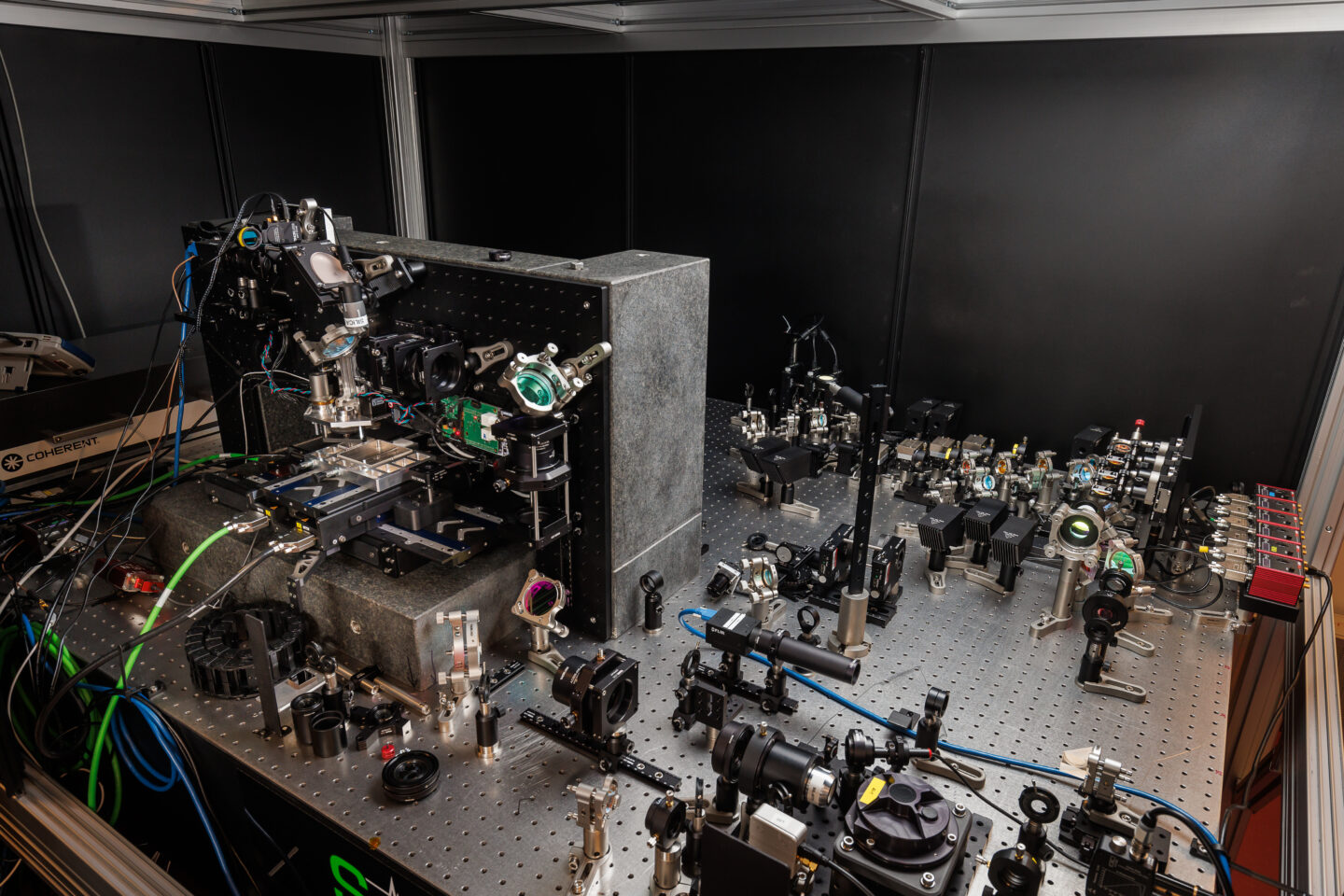
Richard Black, who leads the Silica project at Microsoft Research for data storage in glass, stated that this material "withstands light forms of neglect." It is cheap, readily available, the glass can be scratched, boiled, or heated without data loss, and no energy is needed to preserve the data after writing.
Borosilicate glass is used for making dishes and laboratory equipment; the technology is simple and well-known. Unlike quartz glass, which other researchers have worked with, borosilicate is too strong to create voids in it with a laser. However, the laser can change the refractive index of the irradiated area. These changes can be recognized under a microscope.
<iframe width="560" height="315" src="https://www.youtube.com/embed/fQY4_UPxPMo?si=TjATjb7c6vvkszKO" title="YouTube video player" frameborder="0" allow="accelerometer; autoplay; clipboard-write; encrypted-media; gyroscope; picture-in-picture; web-share" referrerpolicy="strict-origin-when-cross-origin" allowfullscreen></iframe>