A futuristic vision is turning into a tangible reality.
The autonomous air taxi industry is approaching a crucial milestone: by 2026, several companies are entering the certification and commercial deployment stage. Urban air mobility is transitioning from concept testing to real-world operations, marking a turning point for global transportation systems. These innovators are shaping the infrastructure, partnership models, and regulatory pathways that will define the landscape of air transport for years to come. The collective efforts of these companies clearly demonstrate that autonomous air taxis are just around the corner, turning a futuristic vision into a tangible reality.
1. S4 Aircraft — Joby Aviation.
Joby Aviation has brought 54 of its aircraft to the final stage of type certification, becoming the undisputed leader in the race for approval from the Federal Aviation Administration (FAA) of the United States. The S4 air taxi is designed for a pilot and four passengers, achieving a cruising speed of up to 320 kilometers per hour and a flight range of about 160 kilometers.
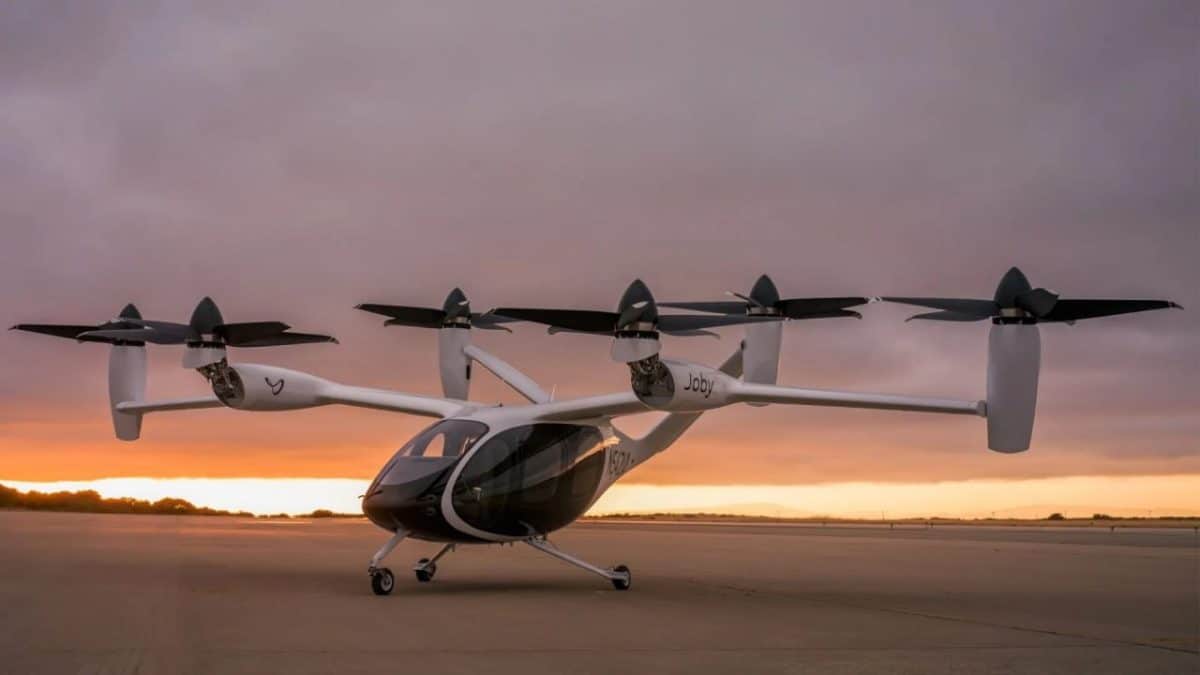
In the first quarter of 2026, Joby plans to launch commercial passenger flights in Dubai, and later in the same year, expand to the U.S. market. A landmark test flight conducted in the UAE in November 2025 made Joby the first electric air taxi to operate in shared airspace.
2. Midnight Aircraft — Archer Aviation.
Archer Aviation is preparing to simultaneously launch operations in different regions of the world, actively advancing towards obtaining key FAA certifications. Its Midnight aircraft is equipped with 12 rotors, designed for one pilot and four passengers, and has already demonstrated high performance in speed, altitude, and flight duration.
Midnight achieves a cruising speed of around 240 kilometers per hour and is capable of missions spanning approximately 160 kilometers. During testing, it set a record by covering 90 kilometers in 31 minutes and ascended to an altitude of 2100 meters, confirming operational flexibility and range of application.
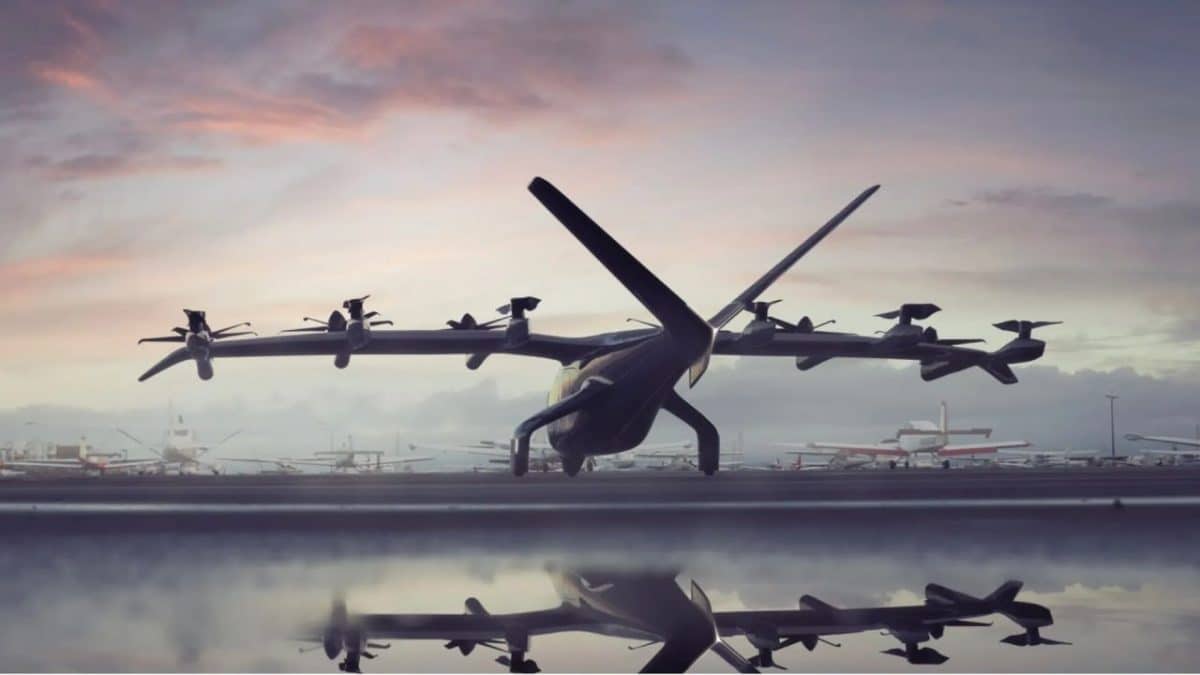
The company plans to commence passenger flights in Abu Dhabi in 2026 while continuing the certification process in the U.S. According to available data, commercial operations could start as early as the beginning of 2026.
3. VX4 Aircraft — Vertical Aerospace.
Vertical Aerospace is betting on a dual technology strategy, developing both fully electric and hybrid-electric versions of its VX4 aircraft. The fully electric version is designed to carry five to six passengers and has a range of over 160 kilometers.
In 2024, the company completed the first phase of flight testing with a pilot, gathering extensive data during 20 flights and 70 checkpoints.
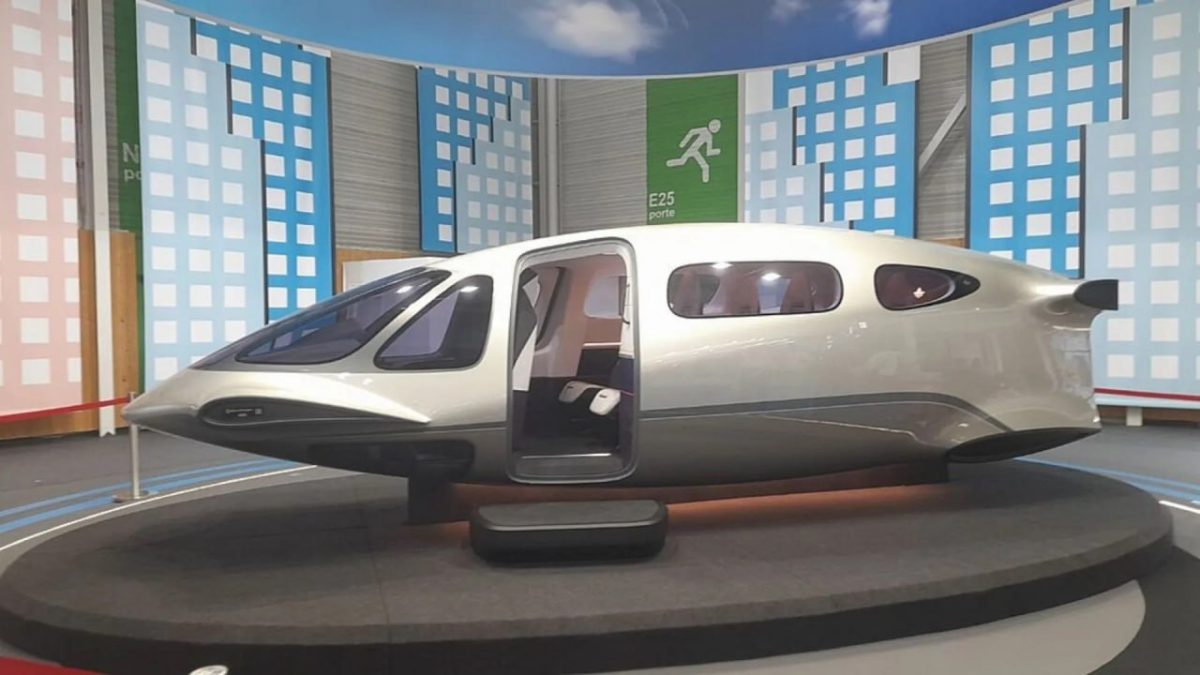
With a payload capacity of about 1100 kilograms, the VX4 version with extended range can cover up to 1600 kilometers. This makes the aircraft appealing to a variety of industries — from defense and healthcare to long-haul logistics.
4. Lilium Jet.
Lilium is focusing on regional air mobility rather than short urban routes, which sets it apart from most competitors in the air taxi market. The six-seat Lilium Jet uses ducted fan technology instead of open rotors, providing advantages in noise levels and efficiency.
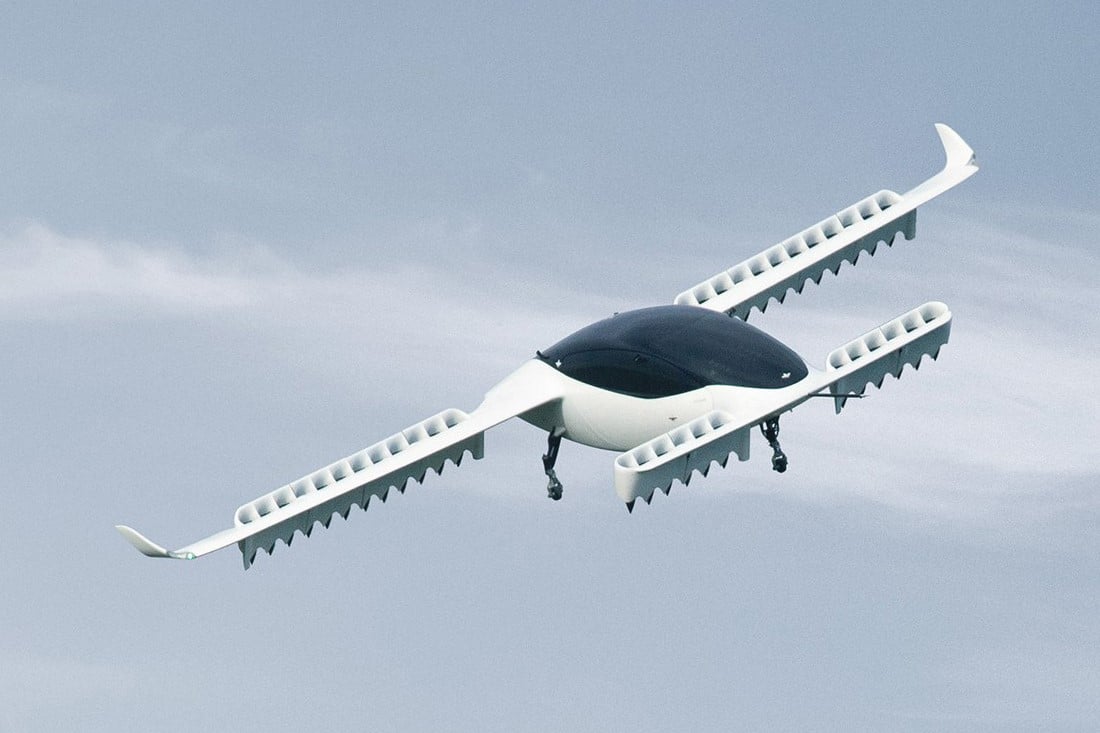
Initial deliveries to customers are expected in 2026. The Lilium Jet can achieve a cruising speed of up to 305 kilometers per hour, depending on flight configuration and payload.
5. Wisk Aero Generation 6.
Wisk Aero is the only company fully focused on autonomous passenger flights. It is developing its platform as a fully electric four-seat aircraft. Wisk has completed over 1600 full-scale test flights — the largest and most mature autonomous test fleet in the industry.
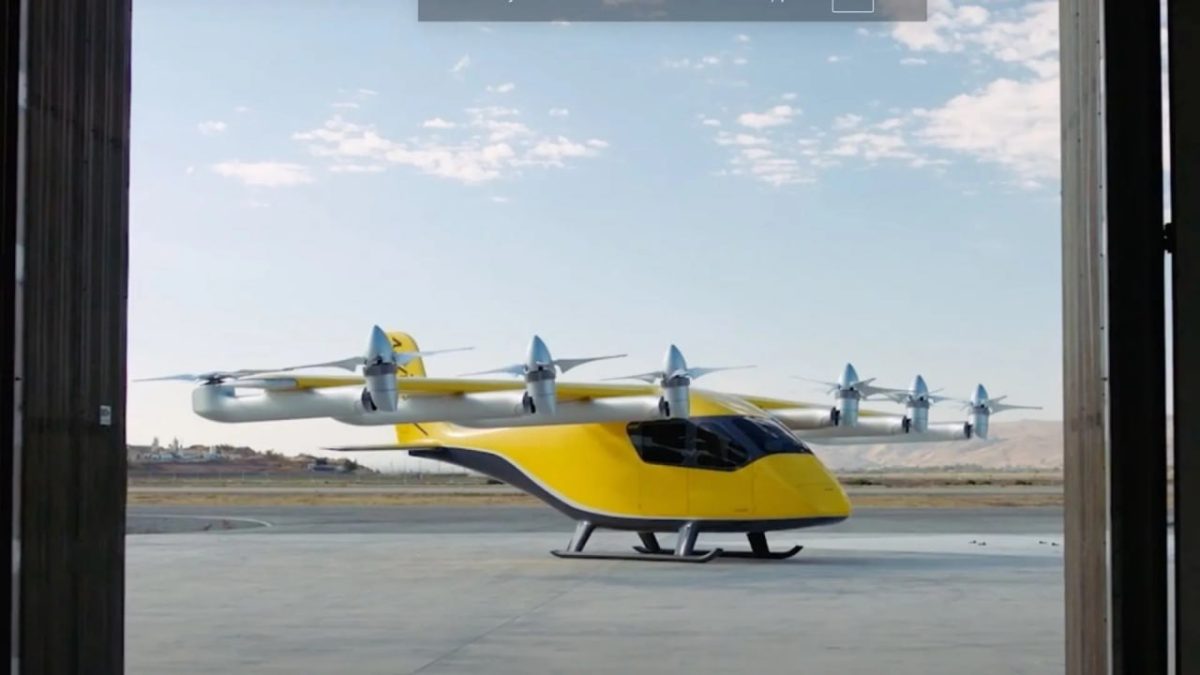
The aircraft flies at speeds of up to 220 kilometers per hour, has a range of about 150 kilometers, and operates at altitudes from 700 to 1200 meters.
The transition to commercial air taxi operations in 2026 will be one of the most significant milestones in the evolution of modern transportation. Each of these five companies is shaping its own vision of the future — through autonomy, regional mobility, or integration into transportation infrastructure.
<iframe width="560" height="315" src="https://www.youtube.com/embed/thwTDFOOVeY?si=RG03HzzEy8hkDxFl" title="YouTube video player" frameborder="0" allow="accelerometer; autoplay; clipboard-write; encrypted-media; gyroscope; picture-in-picture; web-share" referrerpolicy="strict-origin-when-cross-origin" allowfullscreen></iframe>