In mid-June, a five-member Estonian expedition reached the summit of Denali – the highest mountain in North America, located in Alaska.
The expedition included Allan Tobi, Kristen Tamm, Erki Liivamägi, Allar Tui, and Elis Kaurson. Denali in Alaska, which many still know as McKinley, is the highest peak in North America. The climbers reached the summit on June 12 and successfully completed the expedition on June 16.
The Estonians' journey began at the base camp on the Kahiltna Glacier in Alaska, where a special plane equipped with skis for landing on the glacier transported the team. From there, the ascent started via the West Buttress route, where the climbers faced glaciers, altitude, cold, and rapidly changing mountain conditions.
A distinctive feature of the Denali expedition is that all necessary supplies for the trek – food, tent, and personal gear – had to be carried by the climbers themselves. Each team member moved with a backpack and sled, transporting about 60 kilograms of equipment. Every meter of elevation had to be gained with the entire supply for survival, which could not be replenished at the subsequent camps.
In addition to physical exertion, the team had to contend with extreme cold. In the upper camps and on the summit day, temperatures could drop to nearly -30°C, and with the wind, it felt even colder. Frostbite is one of the most common problems on Denali, so the climbers used special three-layer high-altitude boots.
Throughout the expedition, drinking water had to be obtained by melting snow. The recommended minimum daily water requirement for a team of five was 15 liters, but preparing this volume could take up to seven hours.
Transitions from one camp to another often took up to eight hours and required great physical endurance. Successful summit attempts also depended on proper acclimatization, so the team spent several days getting used to the altitude. Altitude sickness also made its presence felt during the expedition, but serious health issues were avoided. The most significant injuries during the ascent were blisters and sunburns.
Denali is known for its unpredictable conditions and numerous dangers. In addition to the cold and altitude, climbers must deal with slippery ice and snow slopes, narrow ridges, and the risk of falling. The height itself poses a serious challenge, which can cause altitude sickness and force climbers to abandon their ascent. On some slopes, climbers have to navigate steep ice walls using fixed ropes for ascent. On the ridge leading to the summit, the path sometimes runs along a narrow trail, with slopes dropping hundreds, and sometimes thousands, of meters on either side. Glacial crevasses, which may be hidden under snow and hard to detect, pose a separate danger.
The dangers of the mountain were underscored by events that occurred shortly before and during the expedition. Just before departing for Denali, the team received news of the deaths of three Latvian climbers. During the Estonians' stay on the mountain, a Denali National Park ranger died after falling into a crevasse while transitioning between camps. These tragic incidents served as a reminder that Denali is a mountain that does not forgive mistakes.
Despite all the challenges, Denali attracts climbers not only for its challenges. The mountain is also known for its unique nature and strict conservation principles. At the beginning of the expedition, all climbers received special containers for collecting human waste, which they had to carry with them throughout the route and only dispose of upon returning from the mountain.
Although this rule seemed unusual and at times inconvenient in the first few days, the team quickly adapted to it. On Denali, it is understood that preserving nature requires the contribution of every visitor, and maintaining cleanliness is the responsibility of each climber. This is why the mountain and its surrounding nature have remained in an exceptionally clean and untouched state.
Although Denali is primarily associated with cold and snow, the sun also poses a danger. Ultraviolet radiation reflecting off the glacier is very intense and can cause severe sunburns even on those parts of the face that are usually minimally exposed to the sun. Team members also suffered facial sunburns during the expedition.
The summit day became the longest and most challenging of the entire expedition, lasting a total of about 16 hours. From early morning, the team enjoyed sunny weather, and for most of the day, Denali provided the climbers with remarkably good conditions. According to team members, it seemed that the mountain was protecting them that day.
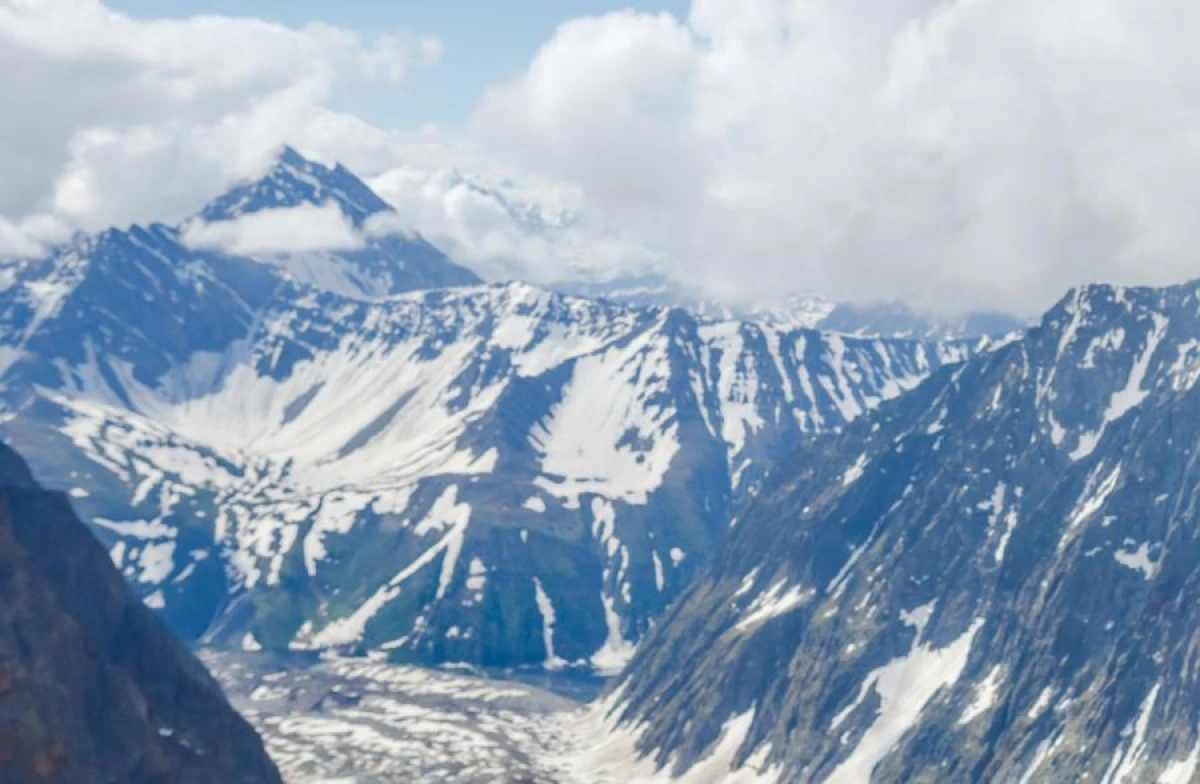
At the summit of Denali, at an altitude of 6190 meters, the team took a break to celebrate their achievement. They took photos, enjoyed the views of the Alaska mountain range, and drank Red Bull. Emotions ran high, and the only woman on the team did not hide her feelings, literally shouting out everything that had built up. After days of effort, reaching the summit became a moment of physical and moral liberation for the entire team.
However, on the way back to camp, the weather changed dramatically. In the last hour, strong winds picked up, and the mountain was covered by a snowstorm, significantly complicating movement. Fortunately, the nearly round-the-clock daylight of the Alaskan summer allowed them to continue safely even in challenging conditions.
Climbing Denali was the goal of the expedition, but the team returned from the mountain with much more than just a number representing the conquered height. They brought back the experience of surviving in conditions of one of the most challenging high-altitude peaks in the world, strengthened friendships, and the realization that even the most difficult goals are achievable if worked on together.