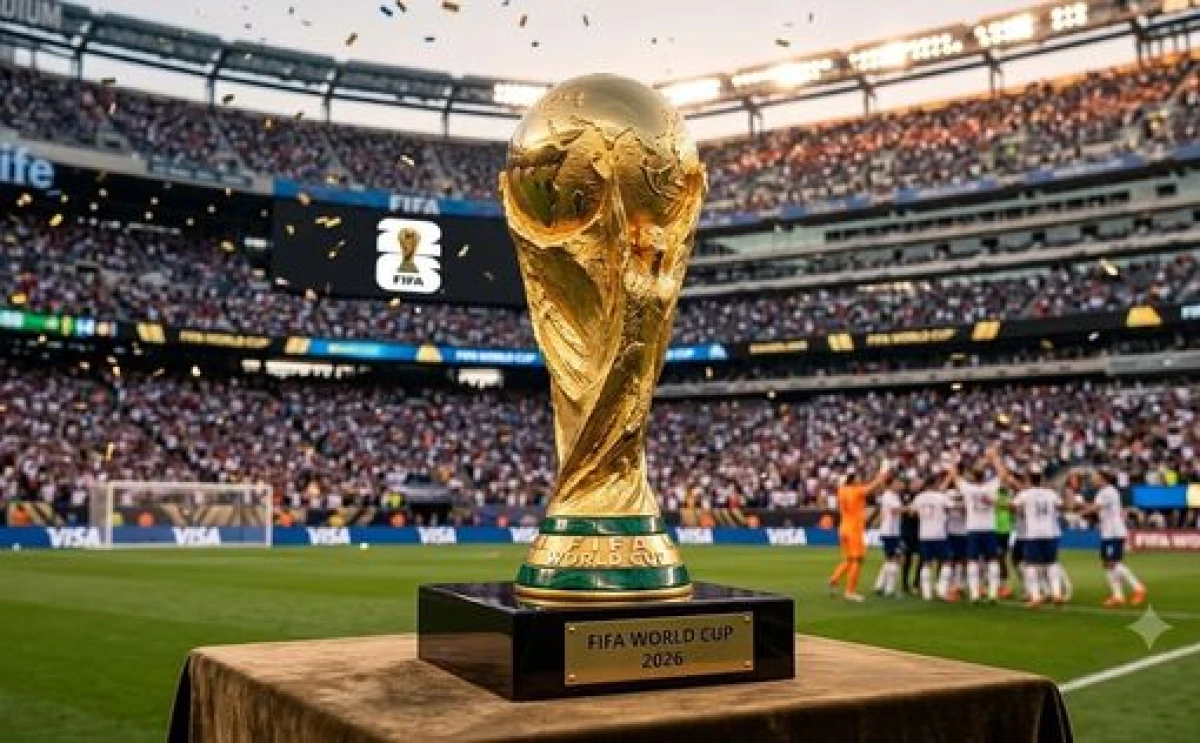
On Thursday, June 11, the FIFA World Cup will kick off in the USA, already dubbed the most expensive and commercialized tournament in history - with record revenues for FIFA and thousands of expenses for fans.
According to the BBC, the 2026 FIFA World Cup will take place in the USA with participation from Canada and Mexico, and is estimated by the International Federation of Football (FIFA) to generate over $9 billion in revenue - significantly more than the tournaments in Russia and Qatar.
Organizers are calling the upcoming championship the most profitable in history: the bulk of the income will come from television broadcasts, ticket sales, and commercial contracts. However, analysts estimate that up to 80% of the tournament's expenses will actually be borne by fans.
One of the key factors driving up costs is the new dynamic pricing system for tickets. Depending on demand, prices can rise significantly, with final ticket prices, according to analysts, reaching $4,000 to $9,000 just for standard tickets. VIP packages can cost up to $70,000.
The scale of the tournament will also add to the burden on fans: matches will be held in 16 cities across the USA, Canada, and Mexico, with significant distances between them, increasing expenses for flights, hotels, and transportation. According to calculations by Politico, each of the 11 cities in the USA will spend between $100 million and $200 million to host the championship, while Congress has allocated only $635 million in assistance, and even the maximum subsidies (of $74 million for Miami and Atlanta) do not cover the expected expenses.
According to estimates from journalists and fan organizations, the total costs for fans of the finalist team could range from $12,000 to $30,000, taking into account accommodation, tickets, and travel.
At the same time, the economic impact for the host cities remains controversial. FIFA predicts an increase in tourism and job creation, but analysts note that a significant portion of the expenses falls on municipalities, including security and infrastructure.
Unlike previous tournaments in Russia and Qatar, where there was significant investment in stadium and transportation construction, the USA incurs almost no capital costs - the infrastructure is already in place. This makes the current championship record-breaking in terms of commercialization, but not necessarily in terms of long-term economic impact for the host country.