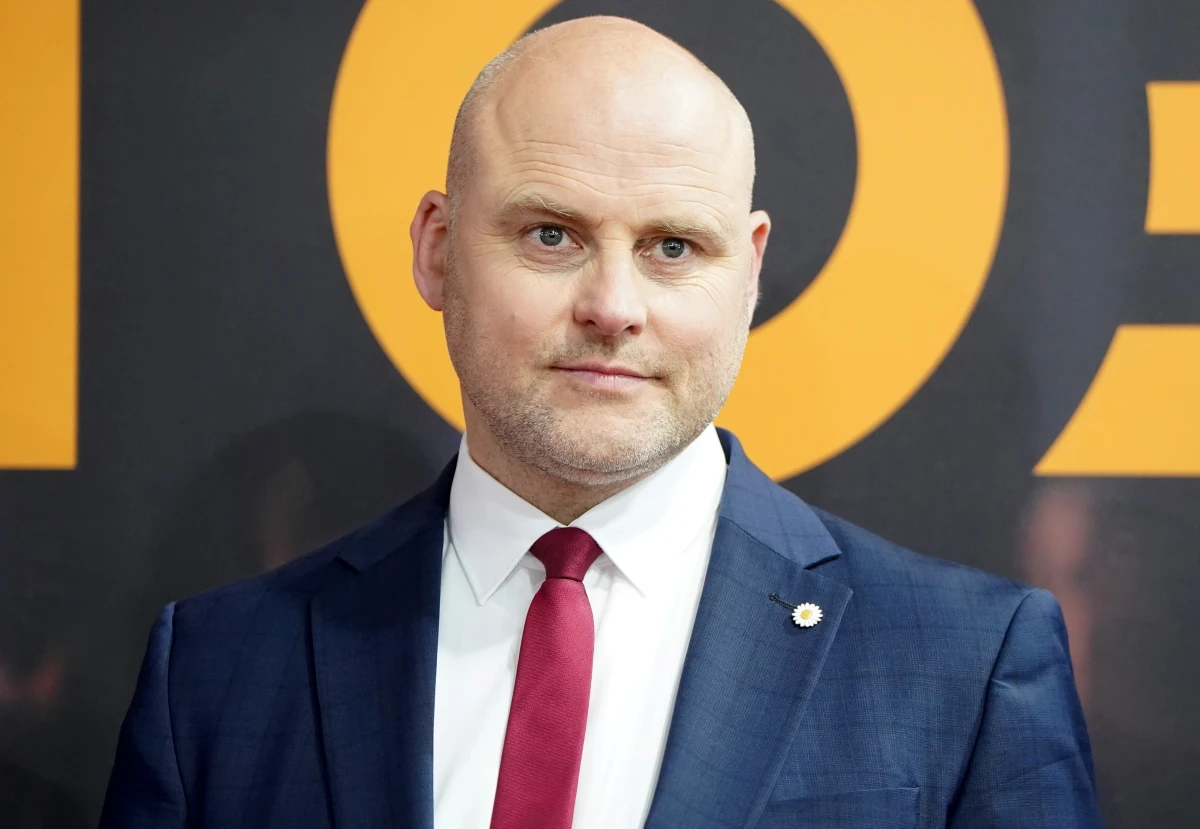
Yes, the government being formed now will be unique in its kind: it will have to work in full status for only 5 months, that is, until the first meeting of the new Saeima on November 3. And if by that time the next government has not yet been approved, which is likely, then Kulbergs’ government will have to continue working in a resigned status.
A Short-Distance Run
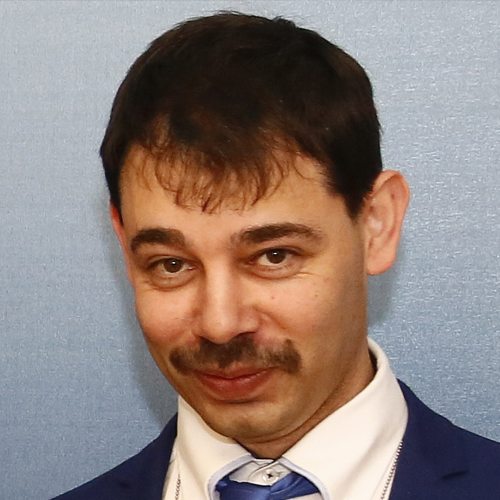
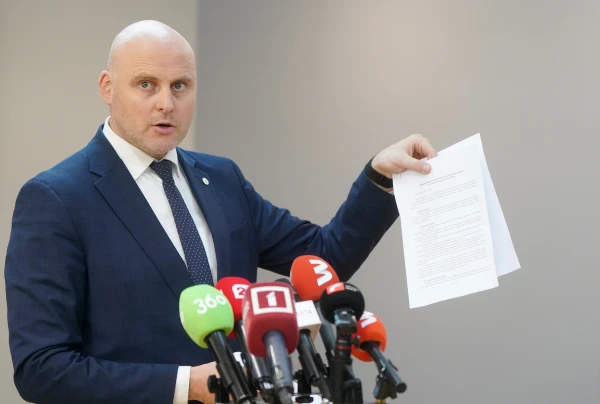
Therefore, the candidate for prime minister, Andris Kulbergs, is eager to... stand out, that is, to accomplish something significant within the first 100 days, which is effectively over the summer. He has already warned that ministers in the new government should forget about summer vacations.
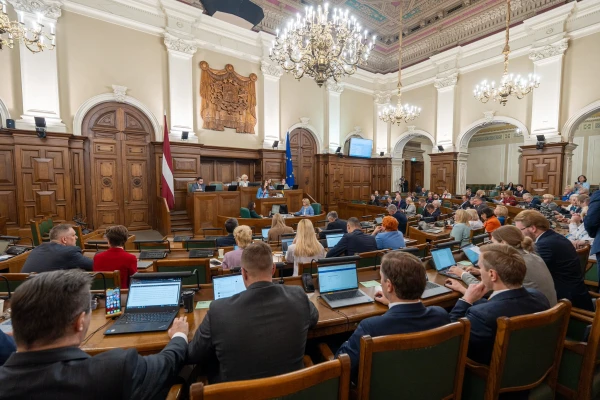
So, what can be expected and what should not be expected from the new government, which will likely receive a mandate from the Saeima this Thursday, May 28.
Block One – Security (to prevent drones from intruding)
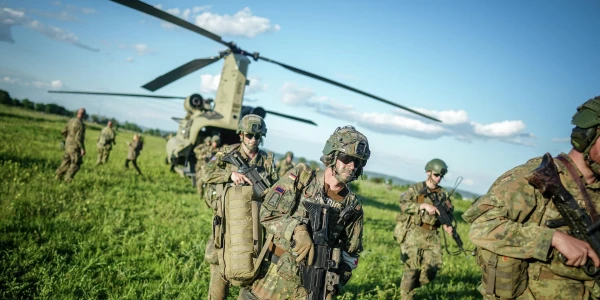
Given the drone incursions – already several times a week – the government will need to ensure effective operation of tracking and counter-drone systems. From words, it seems they are moving to action – supposedly, the purchased equipment for countering drones will be put into operation soon.
At the same time, it will be necessary to improve cooperation between the Ministry of Defense and the Ministry of the Interior – both in the area of notifying the population about aerial threats and in civil defense. Every resident of Latgale (preferably not only Latgale!) should know what to do at hour X: where to run or, conversely, not to run, where they can get help, etc.
It is obvious that ensuring the safety of residents is a top priority for the new government. The civil defense algorithm should be simple and understandable to everyone.
Block Two – Budget (to balance income with expenses)
Andris Kulbergs recently mentioned that "we need to be realistic – in these few months, we won’t manage to earn anything." And since we cannot increase income, we need to cut expenses.
As far as one can understand, the future prime minister wants to review not only the expenditure part of the 2027 budget but also to open this year's budget to cut, for example, administrative expenses. Kulbergs has already threatened to reduce the fund for bonuses and rewards in public administration.
Let’s risk assuming that coalition partners (primarily "New Unity") are unlikely to allow Kulbergs to "touch the budget" of this year. Moreover, there is hardly any time for budget amendments – the Saeima is going on a long vacation (until the end of August) starting June 19. It is unlikely that Kulbergs and Co. will dare to convene extraordinary sessions of the Saeima in July and August for budgetary woes!
Furthermore, the servants of the people will be busy with the election campaign in the summer. The most that partners might allow Kulbergs is to redistribute funds within one ministry: by cutting expenses on some programs within the Ministry of Health to increase funding for another program – for example, to increase allocations for examinations or planned surgeries.
It should be noted that the government’s social partners, represented by the Confederation of Employers and the Chamber of Commerce and Industry, urged the Silin government to cut the 2026 budget by 700 million – primarily at the expense of the same administrative expenses. As a result, expenses were only managed to be cut by a third of that amount.
Among other priorities (besides security and the state budget) are the holding of parliamentary elections and the fight against corruption.
Will the Ministry of Economics “take” airBaltic?
It is clear that the 2027 budget will be adopted by the next Saeima and government, so Kulbergs and Co. better focus on solving pressing issues.
Among them are airBaltic and Rail Baltic. Regarding airBaltic, three questions need to be resolved immediately.
-
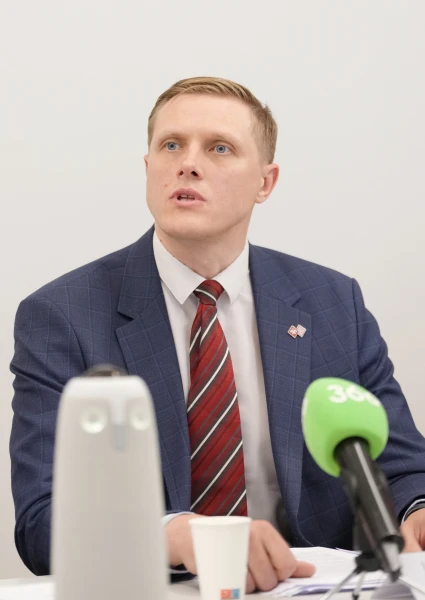
First, whether to support or scrap the idea of Minister of Economics Viktor Valainis (who will retain his position in the new government) to transfer airBaltic under the control of the Ministry of Economics, that is, to take the airline away from the Ministry of Transport.
-
Second, whether to agree with the business plan that the management of airBaltic is to present in June. Or send this plan back for revision.
-
And third, whether to continue investing taxpayer money into this unprofitable enterprise (which incurred losses exceeding 70 million euros in the first quarter) – even as a loan.
If we talk about Rail Baltica, for which Kulbergs himself promised to take responsibility for implementation, it is also necessary to:
-
First, bring order to project management.
-
Second, determine what we are ultimately building and what we are abandoning.
-
Third, finally decide whether it is realistic to obtain any additional funds besides those allocated by Brussels.
What Basic Pensions?!
The aforementioned Minister of Economics Viktor Valainis has been repeating the phrase "basic pensions" like a mantra for the past few weeks. What this term means for the politician is still unclear.
We can only assume that it refers to raising the minimum old-age pension to a level close to the actual subsistence minimum. There is no doubt – these meager pensions need to be increased! Latvia is already among the last in terms of pensions and social benefits in the EU!
But when will the increase happen? Will it be this year – just before the elections (with another pension indexation at the beginning of October) or next year? Valainis, when talking about basic pensions, mentioned that initially, seniors aged 85 and older would be able to receive it. Apparently, Valainis and Co. have already calculated that there are relatively few such pensioners in percentage terms, and the social budget can handle it.
By the way, it is unlikely that Kulbergs’ government will be able to ignore the issue of the fate of savings in the second pension level, considering the upcoming elections. The opposition is already collecting signatures for a referendum and will surely introduce relevant bills... The ruling party will have to propose some alternative option, rather than just continuing to spin the record that the people are foolish and should not be given their pension savings – they will spend it all immediately (either on drinking or buying something unnecessary).
The Battle for European Money
And one more thing. This government will have to fight in Brussels, within the framework of the European Council, for a more favorable EU budget for Latvia for the new seven-year period – in particular, for increasing subsidies to farmers and allocating funds to support border areas (read – Latgale).
In general, there are so many problems that it would be good if the new government manages to solve at least a small part of these issues. And at the same time, not collapse prematurely.