The decision removes one of the contentious issues of the administrative-territorial reform — the court confirmed that the Saeima acted within the law and took into account the interests of the residents.
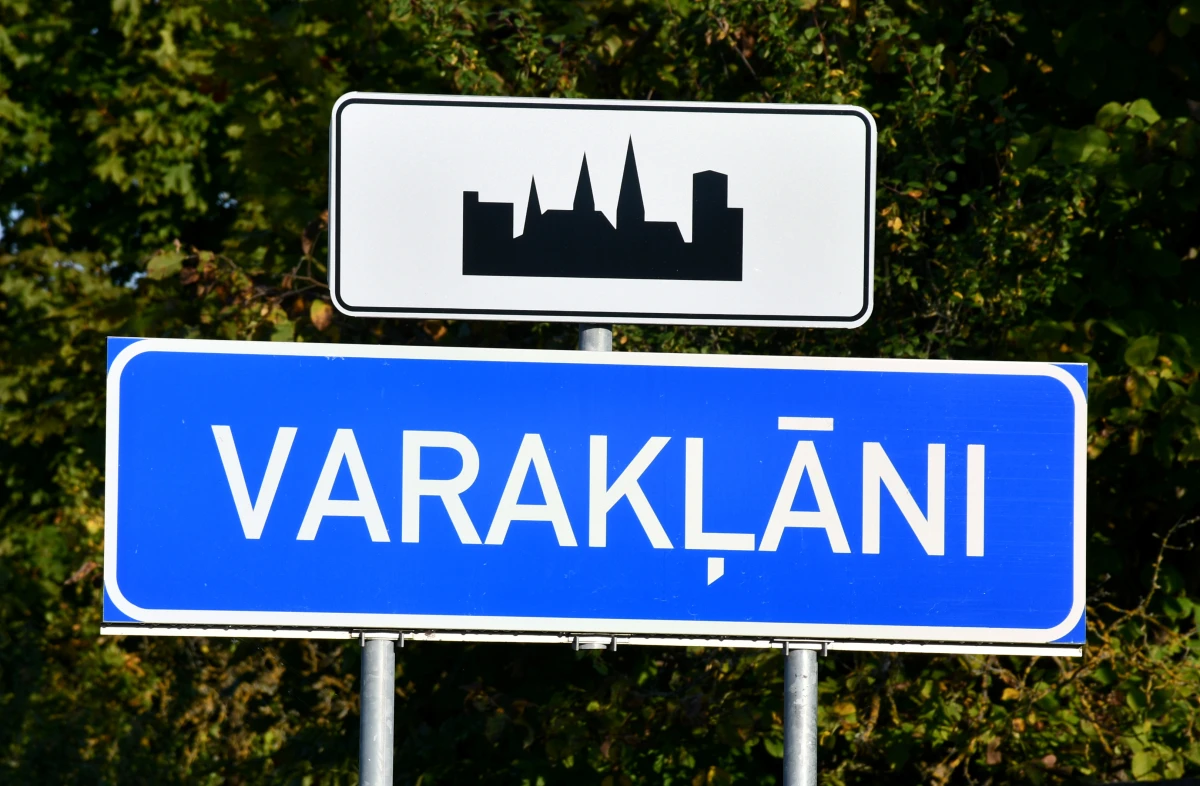
The Constitutional Court ruled that the incorporation of the Murmastiene and Varakļāni parishes, as well as the city of Varakļāni, into the Madona region is in accordance with the Constitution.
The court emphasized that this decision was not arbitrary or made without discussion. The issue was considered during the administrative-territorial reform, discussed in parliamentary committees and at Saeima meetings. The historical affiliation of Varakļāni with Latgale was specifically evaluated.
The court concluded that the parliament did not act arbitrarily. The interests of the local community were analyzed, and the participation of residents in the decision-making process was ensured.
The Constitutional Court also noted that administrative boundaries do not define cultural or historical identity. Varakļāni can be part of the Madona region from an administrative perspective without losing its connection to Latgale.
The court clarified that the law on historical Latvian lands does not require a complete coincidence of administrative and historical boundaries. It is important for the legislator to consider this affiliation but is not obliged to strictly adhere to it.
The case was initiated by a petition from 20 Saeima deputies. They argued that the principles of good faith lawmaking were not observed in the decision-making process and that the provisions of the law on historical lands were ignored.
According to the petitioners, the incorporation of the Varakļāni region, historically related to Latgale, into the Madona region, which primarily falls within Vidzeme, contradicts the logic of the reform and the interests of local residents.
The court's decision effectively solidifies the current administrative map and resolves the legal dispute surrounding Varakļāni.