
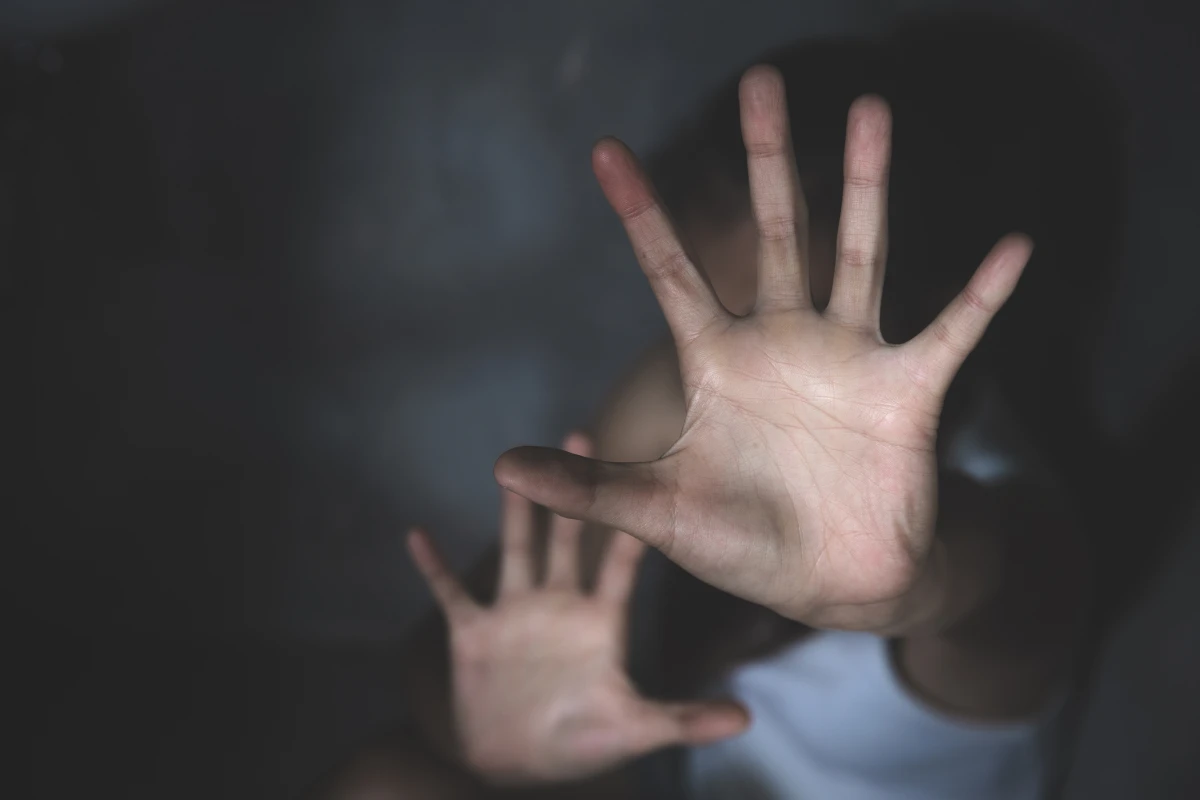
Violence against women and in families remains in the focus of society, writes Diena.
Although several ministries, municipalities, and responsible institutions are involved in addressing this issue, action directions, plans, and preventive measures have been developed, and a significant number of employees have been engaged, statistics from the State Police and studies show that there is still much to be done in this area.
A study conducted last year by the Ministry of Welfare on non-violent parenting practices in families shows that physical punishments are decreasing. Five years ago, most respondents believed that a smack on the bottom was not something reprehensible, but now the number of those who consider such behavior wrong has increased. At the same time, digital and emotional punishments (name-calling, criticism, prohibitions, restrictions) are becoming more common, especially in the upbringing of younger children. Concerns about physical violence against nearly one-fifth of the surveyed children arose, and almost half of them responded to the relevant question. Among those who intervened, 75% discussed the situation with the parents, and 25% contacted institutions representing children's interests.
The Ministry of Welfare concluded that non-intervention is related not to indifference but rather to uncertainty, a sense of responsibility, and ambiguity regarding the correctness of actions. It is alarming that the confidence of residents in the ability to help children has decreased. In another study by the Ministry of Welfare, it was found that the identification of cases of violence, including domestic violence, is becoming more frequent, and it is the detailed police report on the incident that is the main source from which orphan courts and social services learn about what has happened. As a positive solution, for example, the "Children's Home" service has been evaluated positively.
At the same time, the Ministry of Welfare points out the lack of workers in institutions involved in reducing violence (psychologists, psychiatrists, addiction specialists, and narcologists, especially child psychiatrists and adolescent narcologists), as well as the high turnover of these staff. Another drawback is the unevenness of support services in different municipalities. The Ministry of Welfare notes that there are no suitable services for children who themselves commit violence, and long-term support and continuation after rehabilitation are insufficient. In turn, the Ministry of Education and Science reminds that amendments to the education law came into force on March 6 of this year, which define the participation of educational institutions in ensuring measures to prevent violence and strengthen well-being.
To enhance the competencies of educators (courses, educational and methodological materials, acquisition of programs to reduce violence), last year, 200,000 euros were allocated from the state budget to 43 municipalities for this area, and this year, 300,000 euros are planned for these purposes, with 120,000 euros for vocational schools.











Leave a comment