Russia is rewriting history by erasing undesirable pages — this is how Latvia comments on Russia's actions to dismantle memorial stones in Tomsk, established in memory of those repressed during the communist regime from the Baltic states.
The authorities of the Tomsk region dismantled the monument to the victims of Stalinist repressions, the "Stone of Sorrow," in the Tomsk Memorial Park on the night of April 19, as well as separate memorial plaques dedicated to repressed Latvians, Lithuanians, Estonians, Poles, and Kalmyks, reported TV3 News.
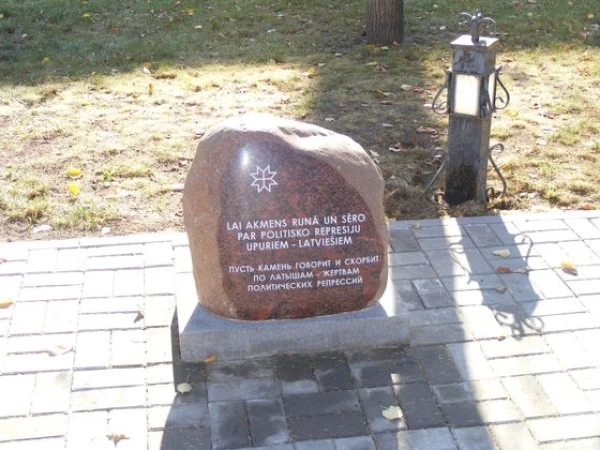
Among those removed was a memorial stone delivered to Siberia in the summer of 2011, prepared by the residents of Sigulda and created by artist Guntis Panders, which bore the inscription in Latvian and Russian: "Let the stone speak and mourn for the Latvians — victims of political repressions."
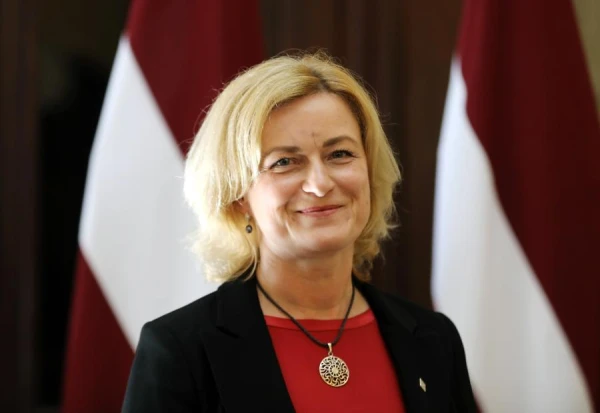
Memorial plaques can be removed, but the crime cannot be erased from history — this is the belief of Sandra Kalniete, a politician born in exile in Tomsk.
"The main motive, in my opinion, is to preserve a 'cleansed' 'great' history of the great Russian people, whom the whole world allegedly wronged, and everything that may tarnish this or does not conform to Putin's ideas about ideology is erased. This is not the first time that authoritarian regimes and dictators act this way. It is important to remember everything in order to avoid the mistakes that have already been made in history," Kalniete said.
The Tomsk region has been a place of exile and imprisonment for hundreds of thousands of people since the times of Tsarist Russia, particularly during the years of Stalin's terror and repressions. When landscaping work began near the former prison in 1989, human bones and signs of mass graves were discovered among the construction debris, which had been removed during the prison's demolition. The "Stone of Sorrow" and the memorial square in Tomsk on the territory of the former detention center were opened in 1992.
The actions were condemned by representatives of the foreign ministries of the Baltic states.
Diana Eglite, a representative of the Ministry of Foreign Affairs, noted that the dismantling of the memorial stones demonstrates the prevailing position in modern Russia that justifies the crimes of the Soviet totalitarian regime, including the illegal occupation of neighboring countries, inhumane repressions, and mass violations of human rights against their residents, and also demanded clarifications from the Russian side.
For her part, Kalniete stated: "For Russia, this is like water off a duck's back, as it ignores much more serious matters, completely disregarding international law. It is like a contagious disease that spreads to other dictatorships, as they also find it inconvenient to comply with international law."
Since the invasion of Ukraine, at least 23 monuments and memorial sites dedicated to repressed Poles, Lithuanians, Estonians, Latvians, and other national groups have been destroyed or damaged in Russia. In 2024, the Gulag History Museum in Moscow was closed — officially for 'fire safety' reasons — with plans to create an exhibition about Nazi crimes against the USSR in its place, while new monuments to Stalin are being erected in other regions of Russia.