
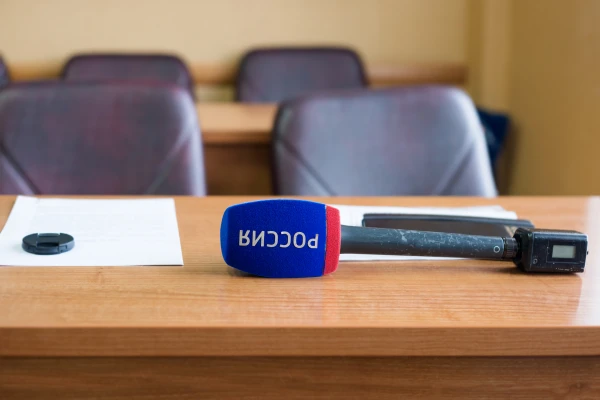
After four years of legal proceedings and losses in lower courts, the media regulator Nacionālā elektronisko plašsaziņas līdzekļu padome achieved a significant victory in the Supreme Court. In the case regarding the ban on broadcasting several Russian TV channels in Latvia, the court ruled that state authorities are not obliged to blindly follow the letter of the law, but are entitled to consider the geopolitical situation and apply U.S. sanctions. The decision has set a precedent for the entire system of government administration, reports the TV3 program "Nekā personīga."
Four years ago, NEPLP banned the retransmission of channels from the Gazprom group in Latvia. In two instances, the court ruled this decision illegal, however, the Supreme Court ruled in favor of NEPLP.
At the beginning of the war, the Gazprom Media portfolio included 41 channels, 18 of which were broadcast by Latvian operators. Most of them were entertainment channels featuring series, movies, and comedy shows. Two weeks after Russia's invasion of Ukraine, the council banned their broadcasting in Latvia, as the owner of Gazprom Media, Gazprombank, is included in the sanctions list of the U.S. Office of Foreign Assets Control (OFAC). It was not on the European sanctions lists, as countries continued to purchase gas from Gazprom.
The company SIA Global Media, registered in a private house in Jūrmala, appealed this decision in court. The firm represented five of the banned channels in Latvia: TNT Comedy, TNT4 International, Friday International, KHL TV Channel, and TNT Music. The first-instance court granted the claim and overturned the NEPLP decision, considering that the council had no right to directly apply U.S. sanctions and exceeded its authority.
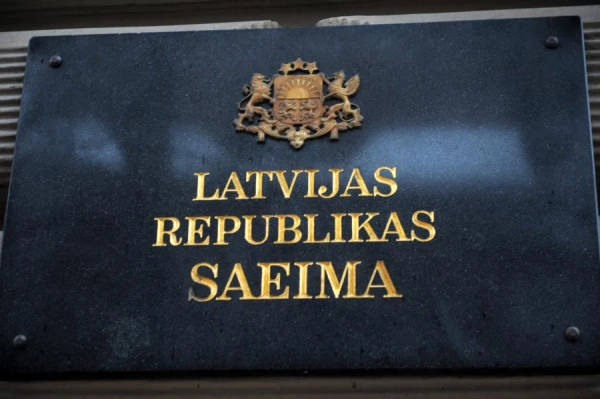
The Saeima amended the law, establishing that the council can ban channels from states that undermine or threaten the territorial integrity, sovereignty, or independence of other countries. However, NEPLP continued the legal proceedings fundamentally.
In March of this year, the Supreme Court had its say. It concluded that Latvian institutions in extraordinary circumstances may consider U.S. sanctions and are required to take into account the fact of aggressive war from a neighboring state.
"Given the geopolitical situation, there may be moments when it is in the interests of the state that not only NEPLP but also any state institutions must act — to ensure the security of the country and to act quickly under certain conditions," said Supreme Court Senator Rudite Vidusa in the program.
Currently, banks in Latvia are already required to comply with U.S. sanctions in order to work with the dollar and avoid secondary sanctions. Additionally, companies on the U.S. sanctions lists cannot participate in government procurement. The Financial Intelligence Service suggests that the Senate's decision may allow for even broader restrictions on the activities of individuals and companies sanctioned in other countries.







Leave a comment