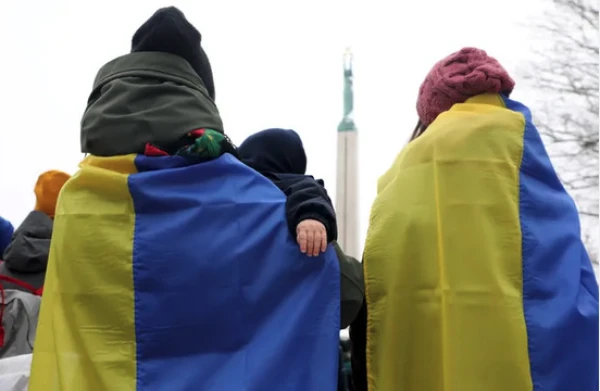
The integration of Ukrainian refugees in Latvia is gradually improving; however, significant challenges remain, particularly in the areas of healthcare and employment, according to the 2025 socioeconomic study conducted by the UN Refugee Agency.
In Latvia, nearly 32,000 civilians from Ukraine have received temporary protection, and most of them are women and children. Survey data indicate a gradual integration of refugees: employment rates are improving, children's involvement in the education system is increasing, and more refugees are learning the Latvian language at a level that allows for effective communication.
At the same time, the research reveals problems, particularly in access to medical care. While in 2024, 96% of refugees who needed medical services received them, this figure dropped to 88% last year. The main obstacles cited are long waiting times and limited availability of services.
Dace Meilija, a representative of the UN Refugee Agency in cooperation with the Latvian government, noted that since 2022, Latvia has been providing comprehensive and sustainable support to Ukrainian refugees, creating a safe environment and opportunities for integration into society. At the same time, survey results indicate areas that require additional long-term attention, especially considering that 72% of surveyed refugees express their intention to stay in Latvia.
Over the year, the employment rate among working-age refugees increased from 56% to 62%. However, employment remains one of the most frequently unresolved issues in refugee households, alongside access to medical care and housing. In both 2024 and 2025, 76% of households faced at least one significant problem.
The involvement of school-aged children in the Latvian education system increased from 65% in 2024 to 80% in 2025. Knowledge of the Latvian language is also improving — 41% of refugees report that their language skills allow them to communicate effectively in everyday life.
In 2025, the share of households living in dormitories decreased to about 5%. A year earlier, this figure was 15%. Most respondents — 76% — live in the private sector, but nearly half still rely on partial or full support to cover housing costs.
The survey also indicates a rise in issues related to mental and psycho-emotional health — last year, 24% of respondents reported such problems compared to 17% the year before. Although nearly half of those in need received support, in most cases, it was informal assistance outside the professional healthcare system.
Overall, respondents still rate their relationships with the host society positively; however, there has been a slight increase in the number of refugees facing hostility — from 25% in 2024 to 27% in 2025.
The socioeconomic study in Latvia was conducted by the UN Refugee Agency in collaboration with the International Organization for Migration and the society "I Want to Help Refugees." The survey is based on data provided by Ukrainian civilians who found refuge in Latvia after Russia's full-scale invasion.