The planned amendments to the law by the Ministry of Health involve abandoning the so-called two-basket system in healthcare, writes Diena.
Instead, it is proposed to link state funding for medical services to the declaration of residence and tax payments.
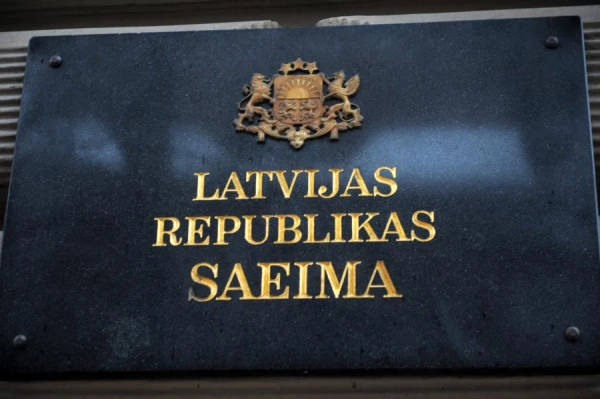
The draft law has come under sharp criticism from the responsible committee of the Saeima, where it was emphasized that this will not increase healthcare funding, so other solutions need to be sought. The right to receive state medical services will be available to taxpayers (social contributions), as well as certain groups of individuals who do not have social insurance but have declared their residence in Latvia at least a month ago.
Protected groups of the population will receive medical assistance regardless of declaration or tax payments, including Latvian citizens studying abroad and newborns under six months old (regardless of parental status), said Health Ministry representative Boris Knigin at a meeting of the Saeima's Social and Labor Affairs Committee. According to him, the bill aims to ensure that individuals who pay taxes in other countries and are not declared in Latvia do not receive medical services here. When asked how many such individuals there might be and what expenses this would entail, the director of the National Health Service, Aris Kasparans, referred to data for 2024: 16,000 Latvian citizens, for whom 3 million euros was spent from the state budget on medical care. Deputies reacted critically to the Health Ministry's proposal, emphasizing that declaration is an administrative tool that will not replenish the healthcare budget.
"You completely ignore what we have been telling you for three or four meetings, that declaration should not be linked to receiving medical services. The number of individuals you mentioned is completely unserious, considering that more than 200,000 Latvian citizens live abroad. All of them can declare here, and it does not matter — the healthcare sector will not receive a cent from this," said Inggrida Circe.
Knigin reminded that everything stopped due to the inability to politically agree on social health insurance. He agrees that the presented solution cannot be considered a conceptual model for healthcare reform, but it is one of the steps to primarily direct state-funded medical services to certain groups of individuals.