At a meeting of the interior ministers of the European Union (EU) countries in Brussels on Monday, a decision was made to tighten immigration policy, writes Latvijas Avīze.
Among the measures is the introduction of a solidarity system, under which participating countries will have to distribute at least 30,000 illegal immigrants who have already entered the EU over the next two years, proportionally to their population and economic potential. The aim of the measure is to reduce pressure on states where the number of displaced persons is disproportionately high. Countries that refuse to accept a portion of migrants will be required to pay €20,000 for each individual. However, after the meeting, it became known that a number of countries are temporarily exempt from the obligations to accept immigrants.
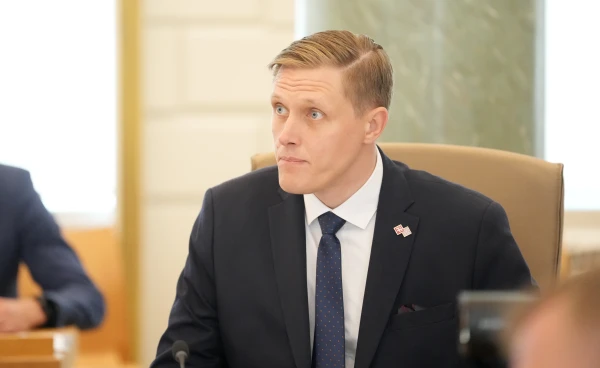
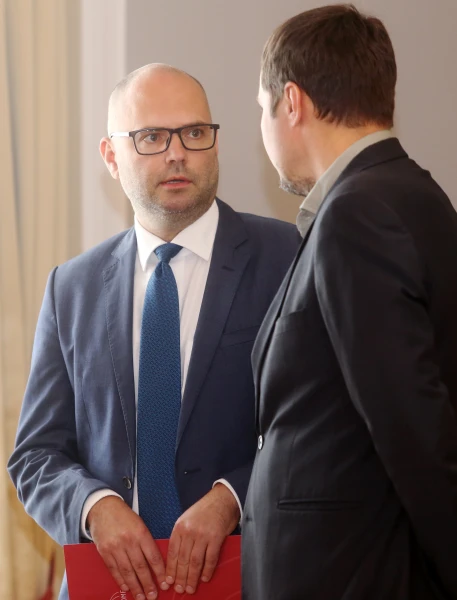
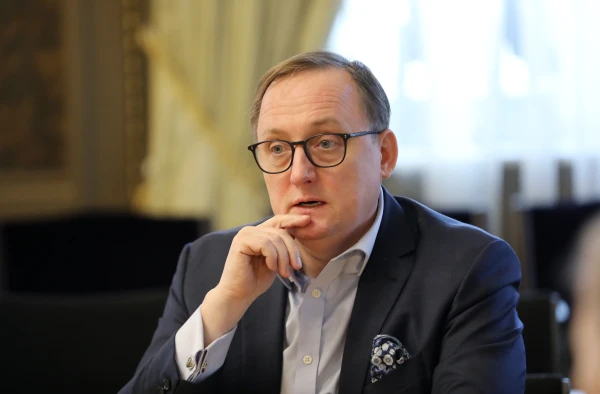
Latvia also requested such an exemption, but has not yet received an official decision. In a statement issued upon the return of Interior Minister Rihards Kozlovskis from Brussels, the Latvian Ministry of the Interior stated that the minister "once again drew attention to the actual situation in Latvia regarding migration, emphasizing that the current assessment by the European Commission, based solely on statistics, does not reflect the real problems that Latvia faces on a daily basis." Kozlovskis reiterated his request for an exemption from the solidarity mechanism, noting that the country is not ready for the relocation of individuals or financial contributions.
"Latvia is currently continuing dialogue with the European Commission to ensure that the country’s actual contribution to the four-year struggle against the instrumentalization of migrants at the EU's external eastern border, its strengthening, as well as support for the peaceful residents of Ukraine and the dynamics of individuals receiving temporary protection status, which has a growing trend, is taken into account," the Ministry of the Interior's statement noted.
Earlier, Poland also requested an exemption from the solidarity mechanism and is likely to receive it. After the meeting, Polish Interior Minister Mariusz Kamiński stated: "We received what we promised you. We said that under this mechanism we would not accept a single refugee and would not pay compensation. This is a good day." Kamiński noted that the discussions were heated, and several countries, mainly from Southern Europe, "were not satisfied" with the exemption granted. The EU's decision takes into account the extensive costs incurred by Warsaw for monitoring and strengthening the eastern border with Belarus, as well as the large number of Ukrainian refugees.
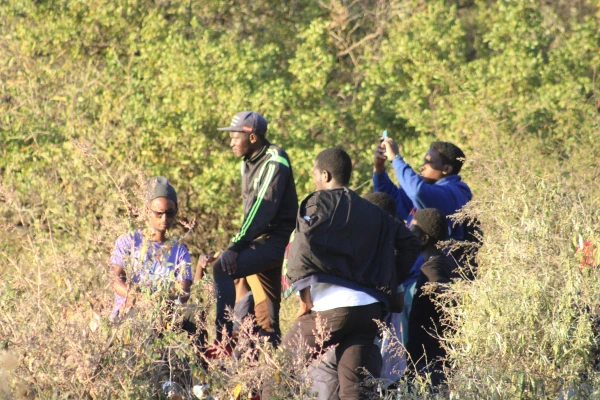
In the summer of 2021, Poland experienced a migration crisis caused by the actions of Alexander Lukashenko's regime with Moscow's support, when there were violent attempts to penetrate the territory of the country, and the army was deployed to repel them. Warsaw also used these events as an argument in negotiations in Brussels.