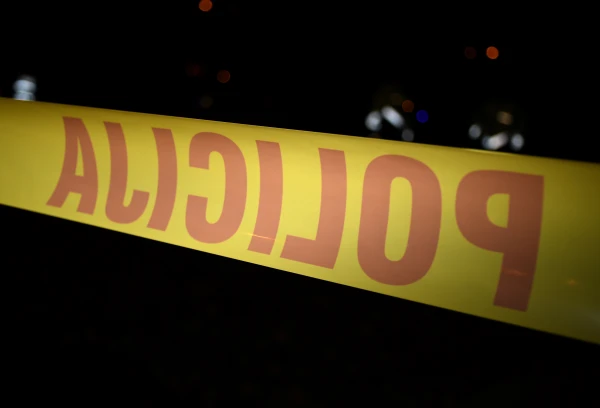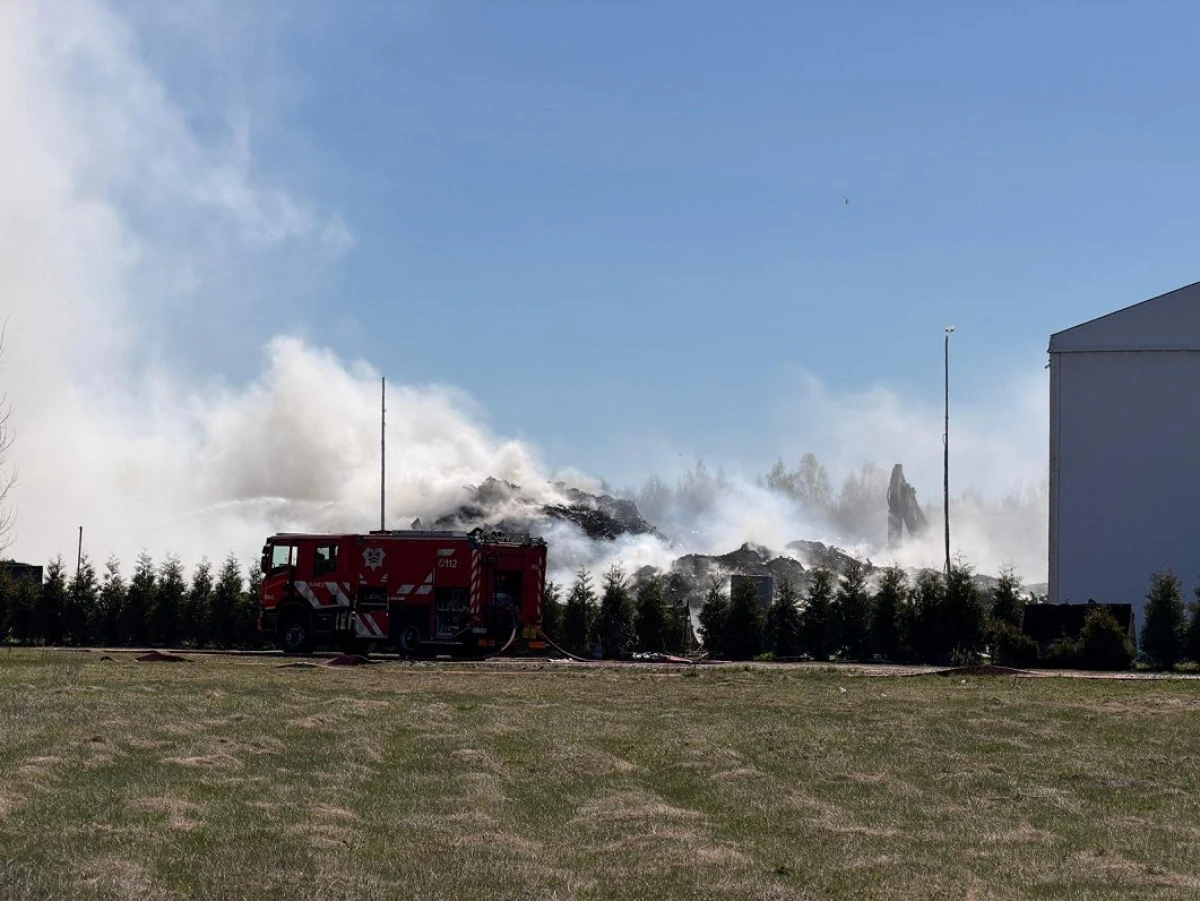
Many remember the fire that broke out in early May at the construction waste landfill in Rumbula of the Stopiņi municipality in the Ropazi region. The flashes of flames and columns of smoke were visible from major Riga neighborhoods – Kengarags and Plavnieki. Among other things, the fire highlighted the problems of interaction between local authorities and state structures.
Various People Are Walking Around
In Riga, a deputy is far from the people – there are six hundred thousand of us, the residents of Riga, but only sixty members of the Riga City Council. However, in numerous small municipalities in Latvia, it is the local deputies – usually well-known figures in society – who head improvised rescue headquarters in case of emergencies. People turn to them with questions, they calm and coordinate the local population.
This was also the case a month ago when, during a fire, the deputies of the Ropazi County Council were inundated with calls from locals asking what had happened and, most importantly, what to do. The local authorities rushed to the scene and were… kicked out by the police, said Ropazi County Council deputy Konstantin Voskoboynik.
According to representatives of the republican authorities, local government leaders are just ordinary onlookers who have come to watch the fire. This approach led to many residents of Ropazi not even receiving a message about the need to tightly close the windows of their homes...
Alright, a fire on the outskirts of Riga. At least there are trained and well-equipped capital city fire brigades nearby. However, the gap in coordination between local and central authorities can be dangerous in the event of drone attacks.
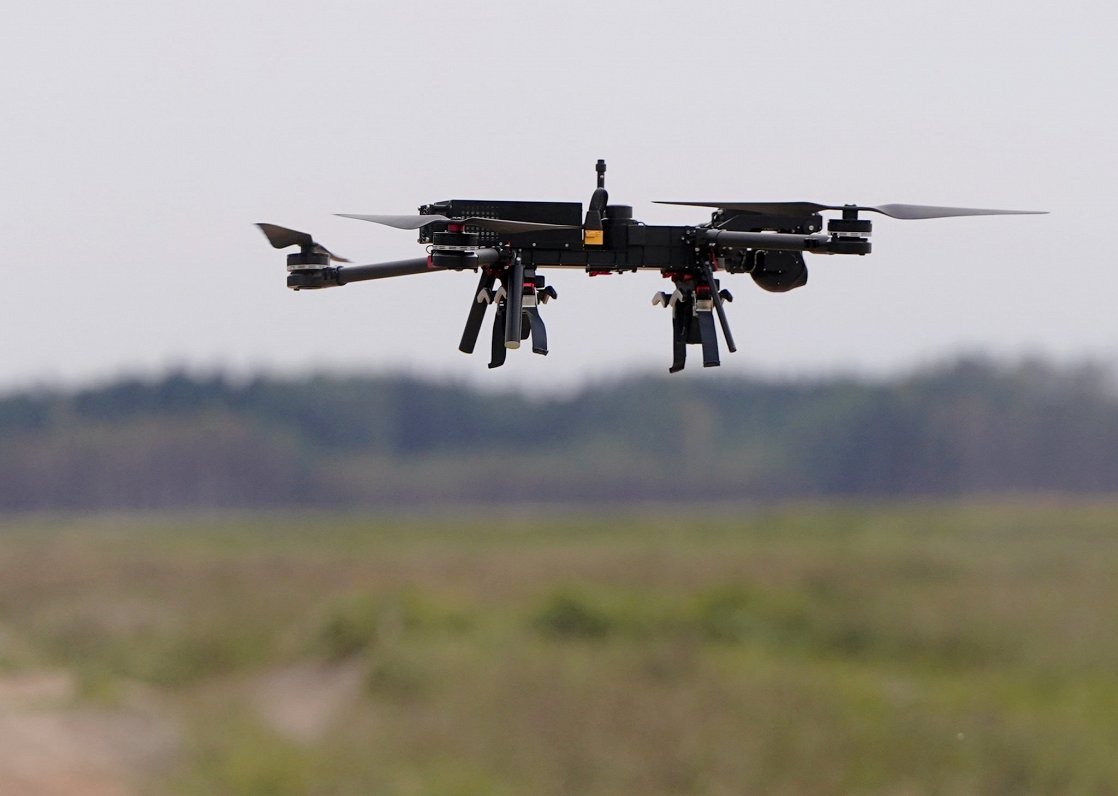
This was recently discussed at the Saeima Commission on Education, Science, and Culture. The Latgale region turned out to be one of the hotspots on the map of the Republic of Latvia. However, the mayor of Latvia's second city, and concurrently the chairman of the Civil Defense Commission, Andris Elksniņš, stated that he received information about a recent threat of an air attack through the cellular alert system, simultaneously with all the residents of the city, and in content “no more, no less.” Legally, the entire situation is quite murky, and local working bodies find themselves incapacitated – there is neither a state of war nor a state of emergency.
As a result, Daugavpils found itself in a situation that was completely different from what they had prepared for in theory: “You need to remain calm, but the guiding principles are 99% inconsistent with reality.”
Residents Should Not Be the Last to Know
A municipality is not a mailbox for documents. A municipality is the first line of defense for residents. And when we talk about ecology, safety, and trust in authorities, it is precisely from this role that local governments need to start, believes expert Konstantin Voskoboynik, who defended a thesis on the licensing of hazardous facilities in the territory of the Republic of Latvia. By the way, he is not only a theorist of environmental law and municipal control but also a practitioner. In the past, the public organization Vides sardze, associated with him, initiated public protests against the construction of a factory in Dreiliņi.
In Latvia, projects that directly affect the quality of life of people are being discussed more and more frequently: waste landfills and incineration plants, wind farms, large industrial and processing sites.
Formally, all of this is called infrastructure development, energy independence, or a green course. But for residents, the question sounds simpler: what is being built near their home, how safe is it for them and their children, who will be responsible if something goes wrong?
A telling example is projects related to the placement of facilities for waste processing, regeneration, or incineration near residential areas. In the Salaspils region, the Gren Latvija project in Acone is currently being discussed. A final decision on the project has not yet been made. In the Ropazi region, questions also arose earlier regarding attempts to develop a project related to Vides resursu centrs.
These and other plans are part of a broader problem: how decisions are made about potentially hazardous and environmentally sensitive facilities, how early residents are informed, and whether the local community has a real opportunity to influence such processes.
Residents have the right to know not only about the supposed economic benefits but also about the risks: what will happen in the event of an accident, fire, violation of the technological process, unfavorable wind, problems with water for extinguishing, increasing transport load, impact on the environment, notes Konstantin Voskoboynik, who knows better than anyone about the role of municipalities in coordinating polluting and potentially hazardous facilities.
Wind and Fire
A separate topic is wind farms. Wind energy can be part of energy independence and a transition to cleaner energy sources. However, wind farms require an assessment of their impact on the landscape, noise, health, property values, roads, forests, and the daily lives of local residents.
Recent fires show that issues of industrial and environmental safety are not theoretical. This includes the aforementioned fire in Rumbula. According to the Ropazi municipality, unsorted construction waste was burning.
Another example is the fire on Granita Street in Riga, where waste caught fire on the premises of a metalworking enterprise last November. Extinguishing was complicated, among other things, by a lack of water nearby.
The main problem is that local residents often find out about a dangerous or controversial facility only when the permitting procedures are already well advanced. Formally, a public discussion may be held, documents posted, deadlines met. But formal notification does not always mean real participation.
People are not required to be specialists in environmental impact assessment, territorial planning, or civil protection. That is why local government should not be a passive processor of documents but an active defender of the interests of its territory, believes Konstantin Voskoboynik.
Emergency Scenario
One of the main conclusions: such decisions cannot be made “from above.” Local government cannot limit itself to the role of a timid observer or, conversely, an authoritarian manager.
If a dangerous, controversial, or environmentally significant facility is planned in the territory of the municipality or nearby, the municipality must demand in advance not only a beautiful presentation from the investor but also specific answers.
What will the emergency scenario be? Who and in how many minutes will notify residents? What channels of notification will be used? Is there enough water for extinguishing? What will the transport load be? Who is responsible for air monitoring? Who will compensate for damages in the event of an accident? How will residents be able to monitor the fulfillment of promises after permits are issued? These are not secondary questions. The Ropazi region, Salaspils region, Vidzeme, and Latvia as a whole are currently in a situation where decisions about major infrastructure projects will affect the quality of life for decades to come.
Therefore, development is possible, but not at the cost of the silent consent of residents and not at the expense of weakening the role of local governments.