
That Riga residents care about their health was clear to your author as soon as he entered the water section in his hometown, a single-cross grocery store. All H2O from the lower price group was completely swept away – all thanks to the “slight aroma of chlorine, or its aftertaste,” which the municipal water supply Rīgas ūdens honestly warned about while performing the May flushing of the water supply.
“However, this is not dangerous to health,” the company reassured. Nevertheless, “during disinfection and for 24 hours after, it is better to consume boiled water.” “For pets, aquariums, and houseplants, it is advisable to let the water stand.” So, is chlorine harmful or not? And in general, what do we consume without even noticing it?
I Want to See This Person
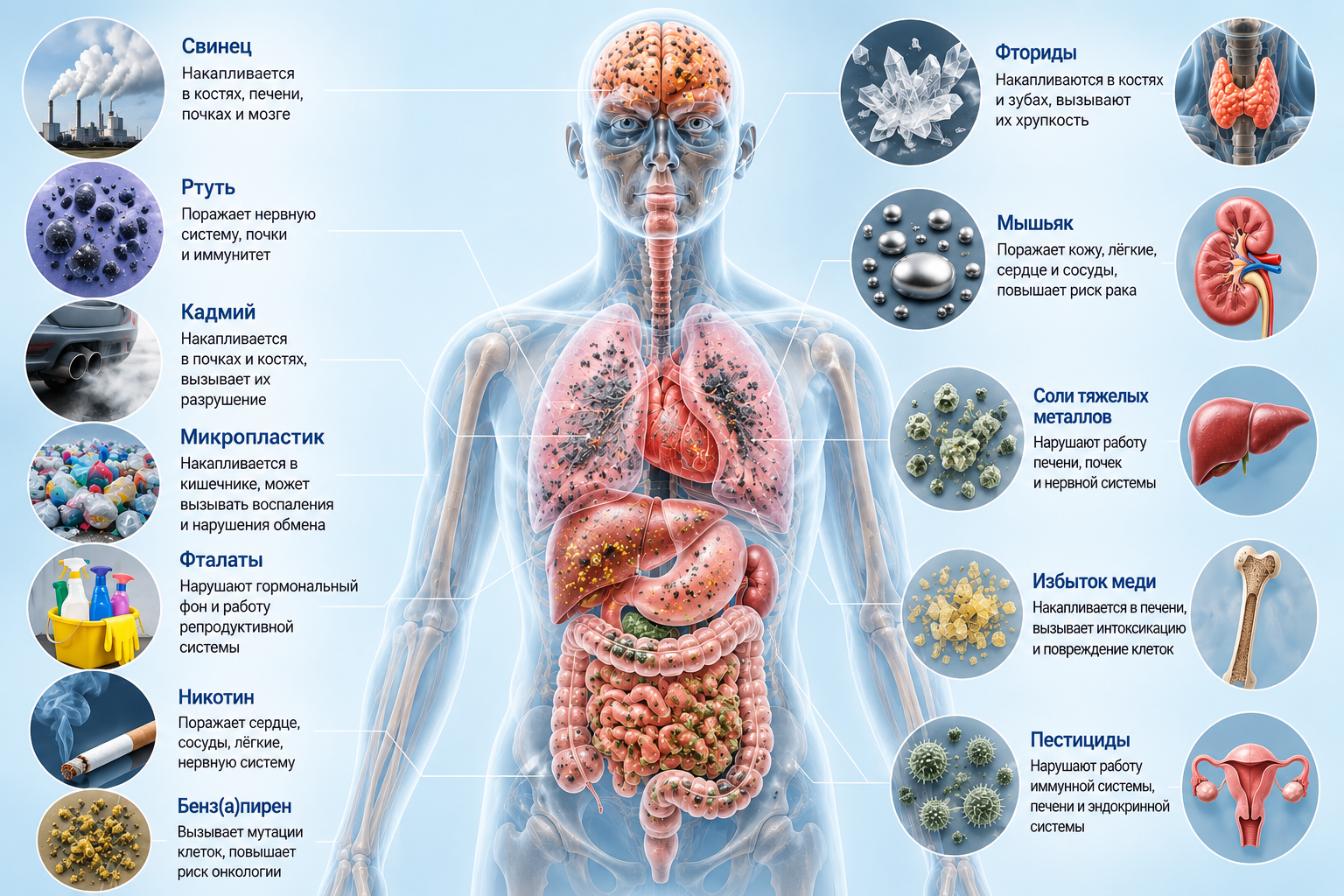
By a curious coincidence, synchronously with the chlorination of Riga's water, the Institute of Occupational Safety and Environmental Health, the State Research Program, and the Latvian Scientific Council presented the work “What Happens in the Bodies of Latvia's Residents?”, based on the first large-scale biomonitoring of the population. As noted in the materials reviewed by the Saeima Commission on Long-Term Development, people are daily exposed to various chemicals. They can be found in the environment, consumer products, food, drinking water, as well as in the workplace, etc.
Human biomonitoring includes the collection of samples from people (for example, blood, hair, saliva, or urine analysis) and the determination of concentrations of chemicals of interest or metabolic end products (metabolites). This is “the most accurate method for determining real exposure to harmful substances.”
244 volunteers who signed up to participate in the study were motivated both by the desire to help society (79.5%) and by their own health (76.6%). In total, through various means, samples were obtained from 404 residents of Latvia, which are aliquots (constituting an exact fraction of the whole) of as many as 15,000 people.
Preliminary results obtained by science:
-
chemistry is present in our bodies in large volumes;
-
Latvia is not very different in this respect from the rest of Europe;
-
it does not have a critical impact on the health of the nation, but it requires monitoring and caution.
A Note for Lovers of Fried Potatoes
103 foreign substances – that is how many were found in the blood or urine samples of Latvian participants in the study.
In particular, all had acrylamide – a chemical that forms when heating starchy foods such as potatoes and grains at temperatures above 120 degrees Celsius. Thus, acrylamide is formed during frying, baking, grilling, or deep-frying. The sugar present in food products and asparagine (an amino acid that is a building block for protein molecules) react with each other when heated. This is called the Maillard reaction. As a result of this chemical reaction, the products acquire a brown color.
Acrylamide is a potentially harmful chemical if consumed in large amounts. Studies on laboratory animals have shown that acrylamide can cause cancer. It is also suggested that acrylamide is carcinogenic to humans. Therefore, it is better to consume as little acrylamide as possible. The European Food Safety Authority (EFSA), based on animal studies, concluded that high consumption of acrylamide increases the risk of cancer.
Only Phthalates Everywhere
Another “favorite” component of our bodies is a group of chemical compounds (phthalate esters) that are widely used in industry as plasticizers. Their main task is to make hard polymers, such as PVC, soft, flexible, and elastic.
Due to their low cost and effectiveness, phthalates are found everywhere:
-
Household and plastic: vinyl wallpaper, linoleum, tablecloths, packaging, food containers, children's toys, plastic cards.
-
Cosmetics and perfumes: hair sprays, deodorants, shampoos, and perfumes. They help retain fragrance and fix the formula.
-
Medicine: IV drips, catheters, tablet coatings.
-
Construction and automobiles: paints, lubricants, upholstery, cable insulation.
How dangerous are they? Phthalates do not form a strong chemical bond with plastic, so they easily evaporate into the air or leach into food and water. When entering the human body, they act as endocrine disruptors:
-
Hormonal disruption: they can block testosterone production in men and mimic estrogen in women.
-
Impact on the reproductive system: linked to risks of infertility and intrauterine developmental disorders.
-
Diseases: they can provoke asthma, allergic reactions, and affect metabolism.
Forewarned is forearmed. How to reduce contact with phthalates? Do not heat food in plastic containers in the microwave. Prefer cosmetics labeled phthalate-free or products without a strong chemical smell. Regularly ventilate rooms (household dust is one of the main sources of phthalates). Replace old flexible plastic with glass, silicone, or stainless steel for food storage.
The Old Bad Lead and PFAS
Two more favorites found by scientists in Latvia. The first has accompanied people for centuries – from ancient plumbing pipes, bullets, and printing ink, and it is well known that it is a highly toxic heavy metal that disrupts the functioning of all body systems by replacing vital minerals (calcium, iron, and zinc) in cells, which, moreover, has no safe level of blood content and is particularly dangerous for children and pregnant women. The second still needs to be revealed.
PFAS – a group of synthetic fluorinated organic compounds, in which many fluorine atoms are attached to an alkyl chain. Compounds of this group are considered a mass, dangerous, and difficult-to-eliminate environmental pollutant. At the same time, these compounds are of great importance in the economy and are used in the production of a wide range of goods.
These substances surround us everywhere in everyday life:
-
Food packaging and dishes: non-stick coatings (Teflon) on pans, disposable paper dishes, coffee and fast food cups, pizza boxes, and popcorn bags.
-
Fabrics and textiles: clothing with water- and dirt-repellent properties (membrane jackets), shoes, umbrellas, carpets, and upholstery treated with stain-resistant agents.
-
Cosmetics: waterproof mascara, long-lasting lipsticks, foundations, and eyeshadows that require smooth application and long-lasting wear on the skin.
-
Household goods: dental floss, toilet paper, cleaning agents, polishes, and lubricants.
-
Specialized products: firefighting foam, Teflon coatings in electronics, automotive paints, and some medical devices.
-
Environment: due to mass production and use, PFAS penetrate groundwater, rain-soaked soil, and even sources of drinking water.
Well, your author was shocked by the betrayal presented by a beloved product – canned tuna, all from the same low-budget grocery store. It turned out that the big beautiful “fish” is a source of catastrophic mercury for life. Will I change my menu because of this? Never! But thanks to the scientists.