In Latvia, about 1.5% of children are under out-of-home care. Despite a gradual decrease in the overall number of such cases, specialists warn of alarming trends — children are increasingly having to change their form of care, and the number of minors in institutions is rising again.
The system of out-of-home care in Latvia continues to face a number of serious problems, despite a gradual reduction in the overall number of children living outside of family care.
According to the Child Protection Center, last year, 5,160 children were under out-of-home care. In comparison, in 2022, there were nearly 5,800 such children. This currently represents about 1.5% of all children living in Latvia, reports Diena.
The most common form remains guardianship — in 2025, 3,220 children were under guardianship. However, specialists note that in practice, the system increasingly relies on foster families, crisis centers, and long-term care institutions.
Particular concern is raised by the fact that children often transition multiple times from one form of care to another. For a child, this means a constant loss of stability: changing families, environments, schools, and social connections. Such repeated relocations are considered by specialists to be one of the most painful factors for a child's psyche.
Another noticeable trend is the increase in the number of children entering long-term care and social rehabilitation institutions. Currently, there are more than 600 minors in these facilities, and this number continues to rise.
At the same time, local governments are lacking social workers, and the available support services are still insufficient. The Child Protection Center also points to weak cooperation between out-of-home care support centers, social services, and orphan courts.
The situation regarding the deprivation of parental rights remains a serious problem. Last year, restrictions or deprivation of rights affected 973 parents and 1,176 children. By court decision, parental rights were definitively revoked from 584 individuals.
At the same time, rights were restored to nearly 300 parents. However, specialists note a troubling trend: many families find themselves in crisis again after some time.
According to the Child Protection Center, 178 parents were deprived of rights a second time. Most often, the repeated separation from children occurs within one to three years after the family is restored.
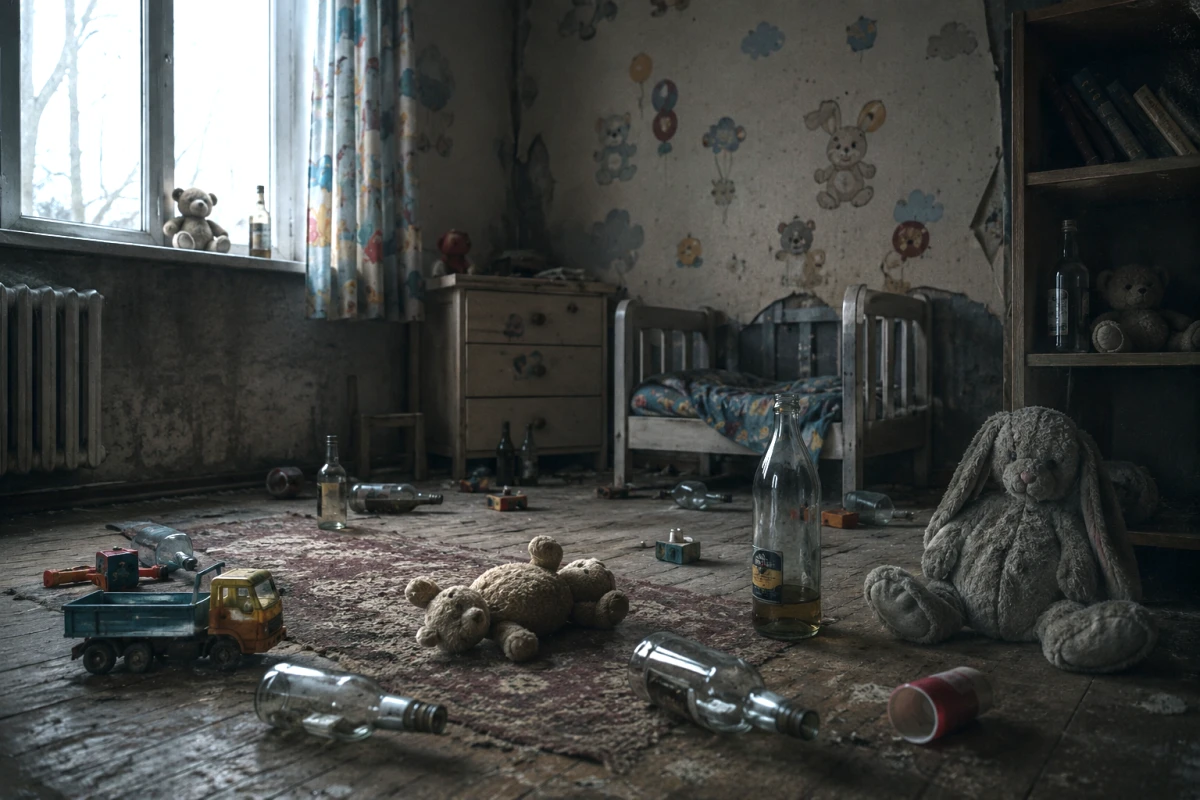
The main reason remains parental dependencies — alcohol or drug-related. These are most often associated with violence, neglect of the child, and repeated intervention by services.
In fact, specialists increasingly state that a formal procedure for restoring parental rights is insufficient. Families require long-term support, monitoring, and involvement from social services even after the child returns home.
Against the backdrop of demographic decline and a decreasing number of children in the country, the issue of a stable family environment is becoming increasingly sensitive for Latvia — both as a social and a long-term state problem.