Latvian TV summarized the results of the first 8 months after the tightening of retail alcohol sales regulations.
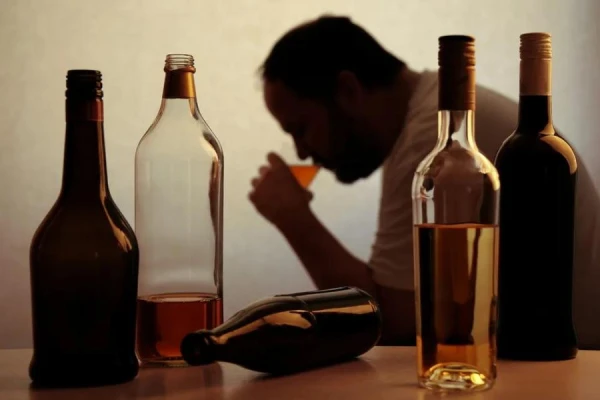
Let us remind you that since August of last year, new restrictions on the sale of alcoholic beverages have been in effect. The hours for selling alcohol are limited (from 10:00 AM to 8:00 PM on weekdays and Saturdays, and from 10:00 AM to 6:00 PM on Sundays), and advertising and marketing promotions related to the sale of alcohol are prohibited. What are the initial results of this fight against alcoholism?
According to the State Revenue Service, the volume of alcohol consumed in Latvia decreased by about five percent last year. A decline is observed in most categories of beverages, especially fortified wines and cocktails. However, this data is considered only the first indicator, and broader conclusions about the impact of the restrictions are expected in the fall,” reports the news service of Latvian TV.
Representatives of the alcohol industry, in turn, believe that the five percent decline is not related to the new restrictions.
Davis Vitols, the executive director of the Latvian Alcohol Industry Association, noted in an interview with LTV that this is more of a long-term trend that is also observed in other European countries, and the reduction in consumption in Latvia began even before the restrictions were imposed. He also emphasizes that, in the industry's opinion, the restrictions mainly increase bureaucracy and have not yet yielded significant effects.
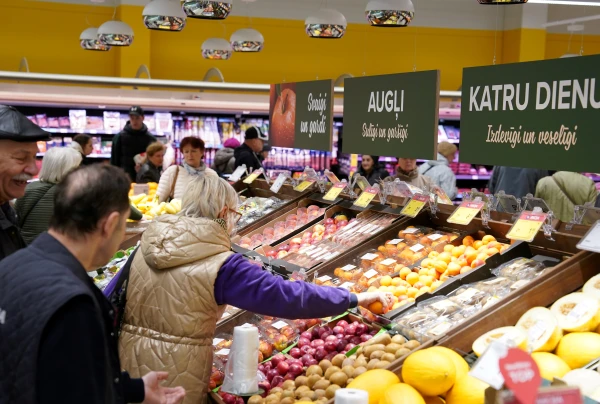
Traders also criticize the restrictions. Henrik Danusevich, president of the Latvian Traders Association, noted that while the impact on public health is still being studied, the consequences for small businesses are already being felt. According to him, since August, 105 small shops have closed in Latvia. He explained that alcohol provides small shops with the highest markup, which allows them to compensate for lower profits from essential goods, and the removal of these products disrupts the financial balance of the stores.