
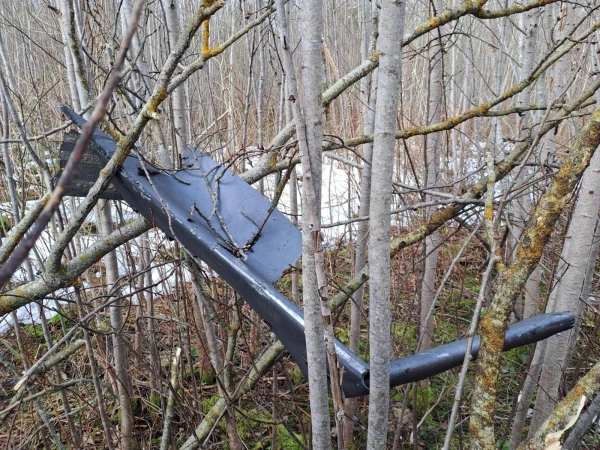
To alert local residents about the potential threat posed by the drone, there was not enough time, stated the commander of the National Armed Forces, Major General Kaspars Pudans in an interview with the "Morning Panorama" program, according to LETA.
He explained that it takes a certain amount of time to provide accurate information to those residents who could be affected by a potential threat in order to understand the possible direction and trajectory of the threat. In this case, there was too little time for a warning.
Pudans acknowledged that individual indicators and sensors did not provide the desired information that would have allowed for a quicker assessment of the situation. He noted that while the threat was being assessed and calculations were being made, the object had already left the territory of Latvia or exploded and no longer posed a danger.
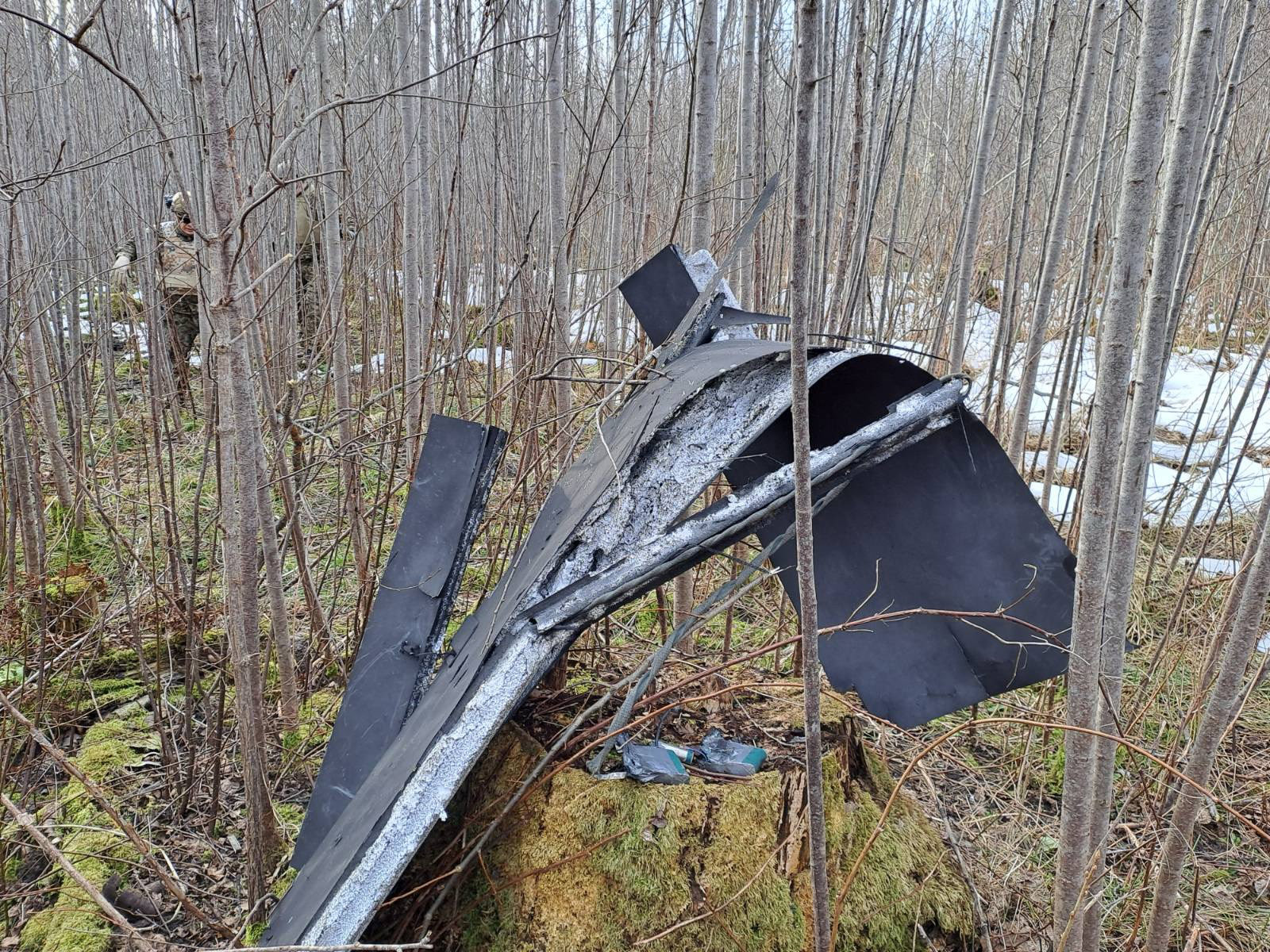
According to the commander of the National Armed Forces, the initial focus was on gathering responsible structures to understand the situation and its further development as quickly as possible. When it was established that there was no longer a threat to the population, it was decided not to issue an alert.
Pudans added that the situation will be analyzed. He reminded that until now, mobile alerts were not intended to calm residents but to call for specific actions. At the same time, it will be assessed whether an alert after the incident would have had the necessary effect.
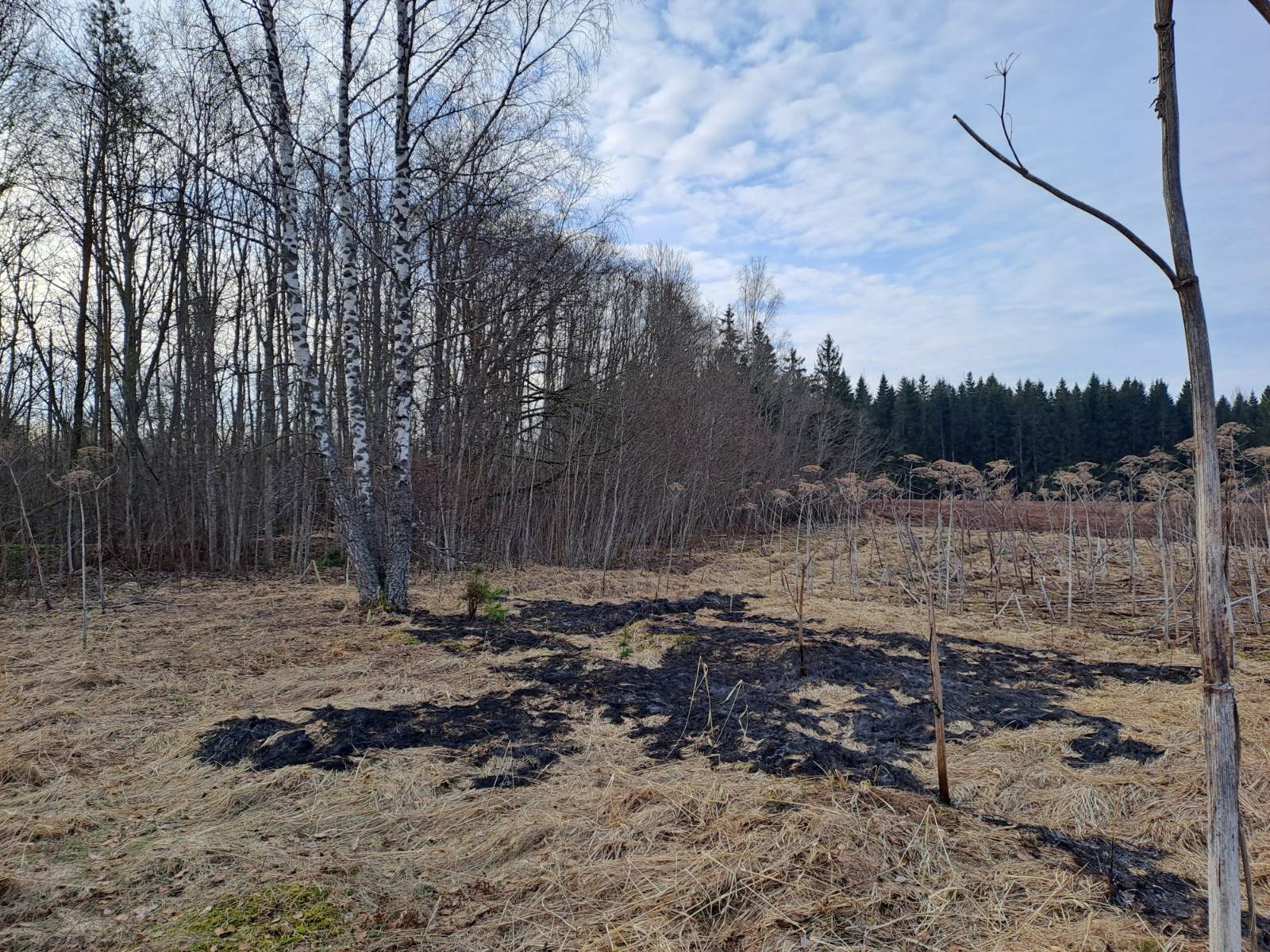
He also admitted that in the future, other solutions might be used to inform local residents in similar situations, such as delivering information directly on-site.
It was previously reported that this week drones flew into and exploded in all three Baltic countries. Most likely, they were targeting objects in Russia as part of Ukraine's defense against Russian aggression but deviated from their course or were shot down by electronic warfare means.
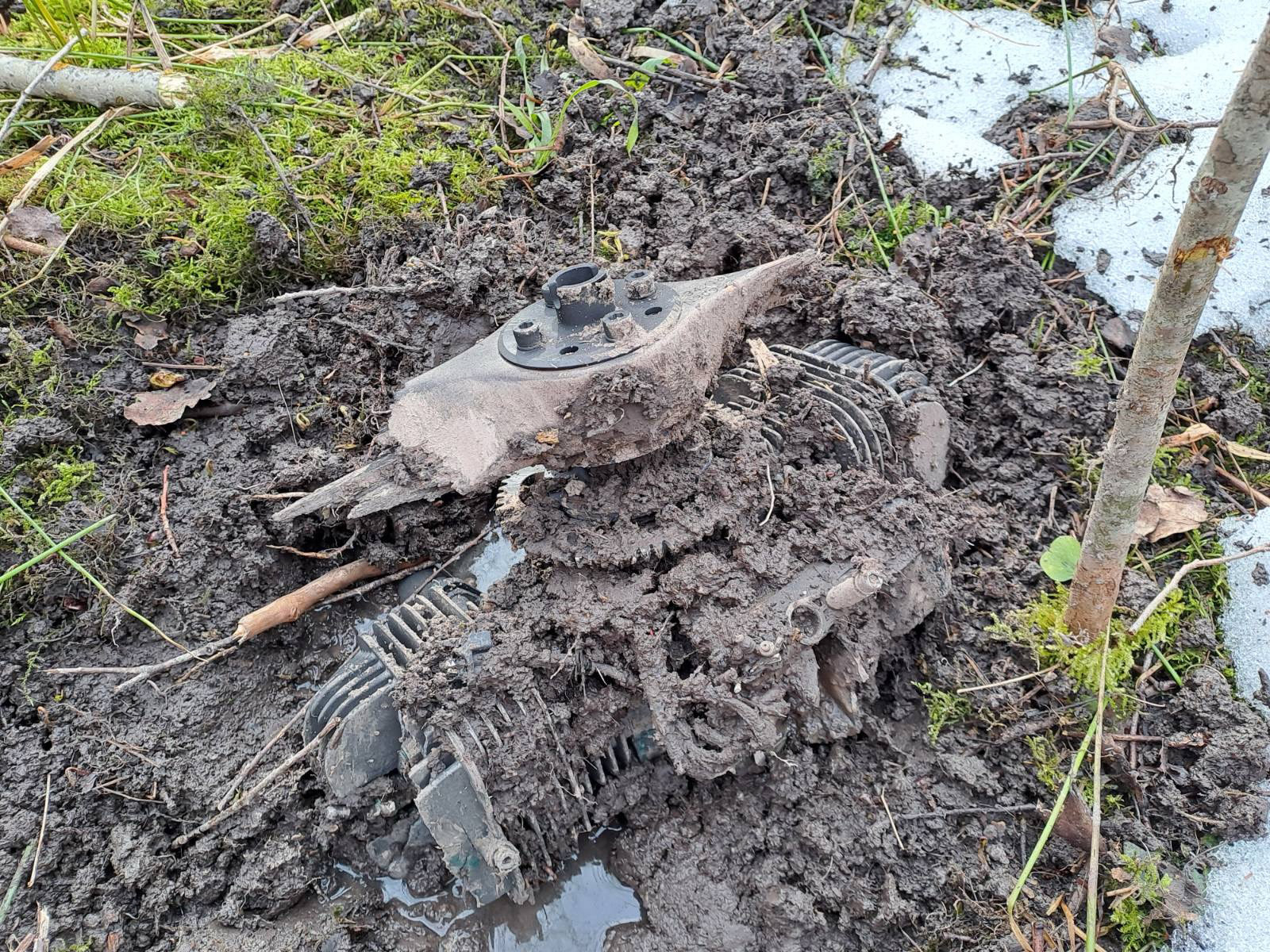
Officials from the Baltic states emphasized that these are the consequences of Russia's full-scale aggression and that similar incidents should be expected to recur.
On Monday morning in Lithuania, in the Varėna district near the border with Belarus, a drone fell onto the frozen Lake Lavisas.
A drone entered Latvia's airspace from Russia on Wednesday night and exploded in the Kraslava region about a kilometer from the center of the Svariņi parish, while another briefly entered from Belarus and headed towards Russia.
In turn, in northeastern Estonia, a drone that flew in from Russian airspace crashed into the chimney of the Auvere power plant on Wednesday morning.
Lithuanian Prime Minister Ingrida Šimonytė confirmed that the fallen and exploded aircraft was a Ukrainian drone intended for a target in Russia.
Latvian President Edgars Rinkēvičs also acknowledged that the drone that entered Latvia's airspace and detonated was a Ukrainian drone that was apparently part of a coordinated operation by Ukraine against targets in Russia.
On Wednesday night, Ukraine attacked the ports of Ust-Luga and Vyborg in Russia's Leningrad region with drones. Prior to that, Ukrainian drones struck the port of Primorsk in northwestern Russia. These ports are located on the coast of the Gulf of Finland in the Baltic Sea.
The drone that fell in Latvia has been identified as of Ukrainian origin
— NBS (@Latvijas_armija) March 25, 2026
On the night of Wednesday, March 25, the unmanned aerial vehicle that entered Latvian airspace has been identified as a Ukrainian drone based on the found debris.
The National Armed Forces continue cooperation with the State… pic.twitter.com/pEUmLdC4D2













Leave a comment