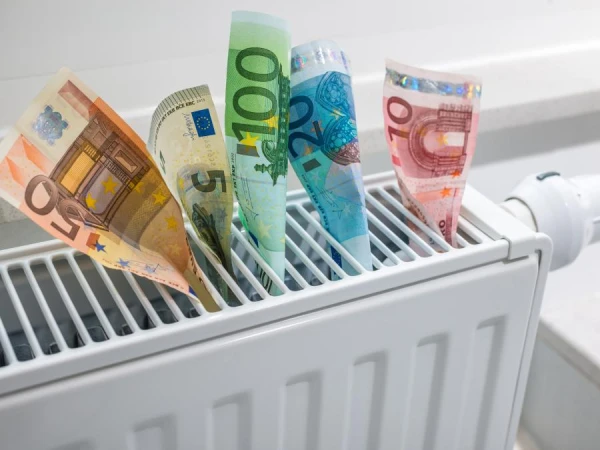
In Latvia, 37% of residents are concerned about whether they will be able to pay their monthly utility bills.
Survey participants said they might delay payment for utilities, could only pay part of the bill, or, in some cases, would be unable to pay at all. Some indicated that they are currently unable to assess their ability to manage utility payments.
Concerns about their ability to pay utility bills were most frequently expressed by young people or those aged 18-29, individuals aged 40-49, and those living in Latgale. The least concerns were noted in Riga and Vidzeme.
In 2024, a similar survey showed that 38% of the population were worried about paying winter utility bills. It can be concluded that over two years, the population's ability to pay has not significantly changed, and for a certain segment of the population, the economic situation has not improved.
Due to severe frosts in January and February, Latvia reached the highest level of gas consumption in the last five years. As a result of the harsher winter, consumption also increased in other parts of Europe. However, despite the significant increase in demand, the price of natural gas in January this year fell by approximately 38% compared to January of last year.
At the same time, in recent years, the natural gas market has experienced strong price fluctuations influenced by weather conditions, geopolitical situations, and changes in global demand. Events in Iran are currently also causing sharp changes in exchange prices for natural gas, oil, and electricity.
Despite the high demand in Latvia, the challenging supply conditions at the beginning of the year due to frosts, as well as the current situation with the cessation of supplies from "QatarEnergy," one of the largest natural gas producers in the world, there are no actual disruptions in gas supplies to Europe, and the availability of gas in Latvia is not under threat.
The survey by the energy company "Elenger" in collaboration with "Norstat Latvia" was conducted in January 2026 and September 2024, involving 1,006 respondents aged 18 to 76.