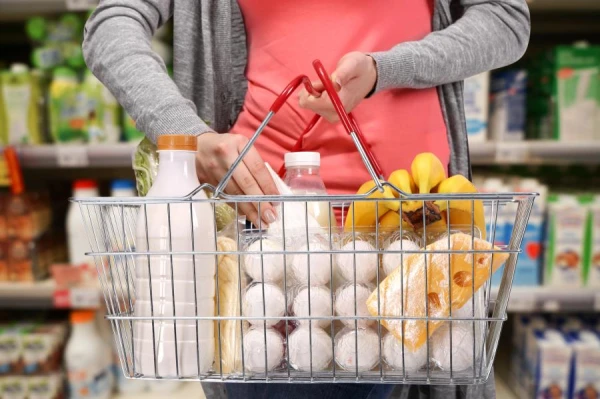
For several months now, residents of Latvia have been able to buy food products at reduced prices in stores; however, the so-called low-price food basket often turns out to be incomplete, the Consumer Rights Protection Centre (CRPC) indicated.
Retailers note that the situation is influenced by the supply from producers. The low-price basket should include products from ten different product categories, which change regularly. As a result of monitoring, the Consumer Rights Protection Centre (CRPC) concluded that supermarkets typically represent seven out of ten product categories in the basket. Furthermore, stores often implement the low-price basket formally.
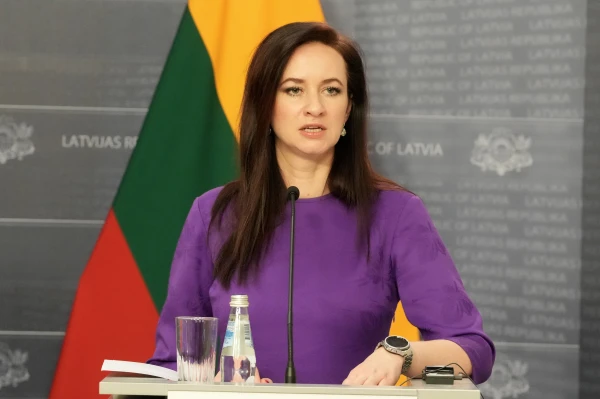
"Very often it lacks eggs or, for example, in the fresh meat category, the offer is interpreted differently - it can be offal or sausage," notes CRPC representative Sanita Gertmane.
This is disputed by the retail chain "Rimi." "Eggs are also included in our low-price basket assortment. We include them as often as possible, although not every time - it's a matter of cooperation. If the supplier can offer a really good price so that we can include the product in the low-price basket, then we do it," said the public relations manager of "Rimi Latvia," Inga Bite.
The retail chain "Maxima" also disagrees with the center's claims. "This year there have only been a few instances of any product being absent, but then we offer an alternative, such as chicken or pork," says the communication manager of "Maxima Latvia," Liene Dupate-Ugule.
"Sometimes during the week we offer up to 15 products, and not only in these categories. Yes, there have been rare cases when there were no products in a certain category, but we try to replace them with products from another category," said the communication manager of "Lidl Latvia," Zane Nelke.
Retailers note that customers have appreciated the products from the low-price basket. For example, in "Maxima," fruits, vegetables, and dairy products are the most frequently purchased items. "Rimi" customers particularly value local pork - demand for it has increased at least twofold.
The head of the Agricultural Market Support Centre, Inguna Gulbe, has been comparing food prices across the Baltics for many years. In her opinion, the memorandum signed by the industry is beneficial for consumers, but does not overall lower price levels. "It does not lower the overall price level, but from the residents' perspective, it makes it easier to find cheaper products," she notes.