Although ice entertainment and sledding generally evoke positive emotions, in some cases, they can result in serious injuries. There are various ways to avoid this so that after winter joys, one can return home rather than end up in the hospital, reports the Degpunktā program (TV3).
The thermometer has been below zero for some time now, but in certain regions of Latvia, the thickness of the ice is still insufficient for safe movement on it.
For example, in Daugavpils, it was prohibited to be on the water bodies until January 9. Currently, there is still a ban on going out onto the ice covering the Daugava River, but not everyone adheres to it.
Andris Dunski, a representative of the Daugavpils Municipal Police, reported that recently two individuals decided to create an ice rink right on the Daugava, but the police managed to prevent this.
If a person goes onto the ice during the ban, a fine of up to 100 euros may be imposed in some cases, for example, in the case of repeated violations. There are also those who, risking it, take their children onto the ice. However, more often, parents engage their children in unsafe activities on land.
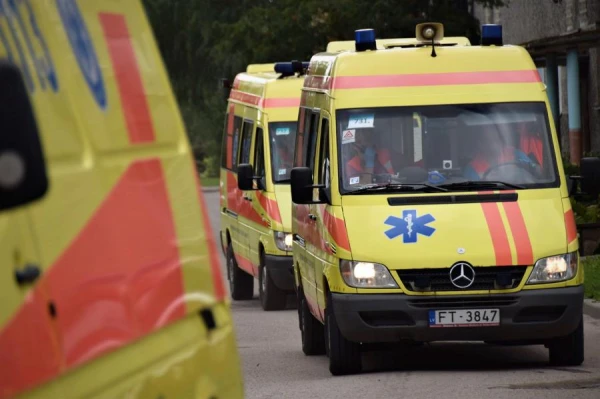
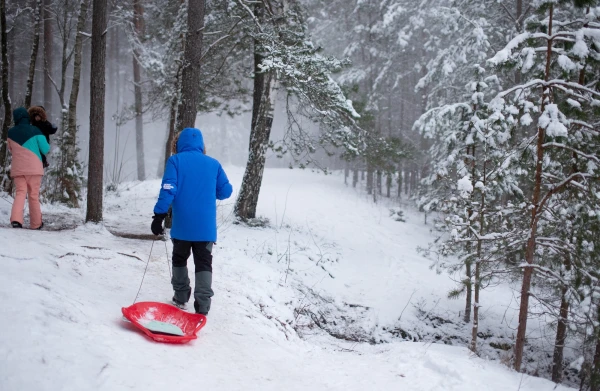
Sledding or riding inflatable tubes down a hill is great fun, but only in places where there is appropriate infrastructure. There was a case where a child, sliding down a slope on a city stage, crashed into a pole and needed medical assistance.
Pediatric doctors agree: safety first, then fun. These days, dozens of injured children with varying degrees of severity from winter recreation are admitted to the Children's Clinical University Hospital every day.
Pediatric surgeon Janis Upenieks from the hospital explains that the most common injuries are to the arms or legs, but there are also cases of head injuries when children collide with each other, crash into barriers, curbs, or trees. Sometimes the sleds themselves break.
Dr. Upenieks emphasizes: "There are no other people's children" — meaning watch over your own and keep an eye on others.
The doctor also urges not to forget about protective helmets. They can prevent serious head injuries while skiing or skating, as well as during sledding.