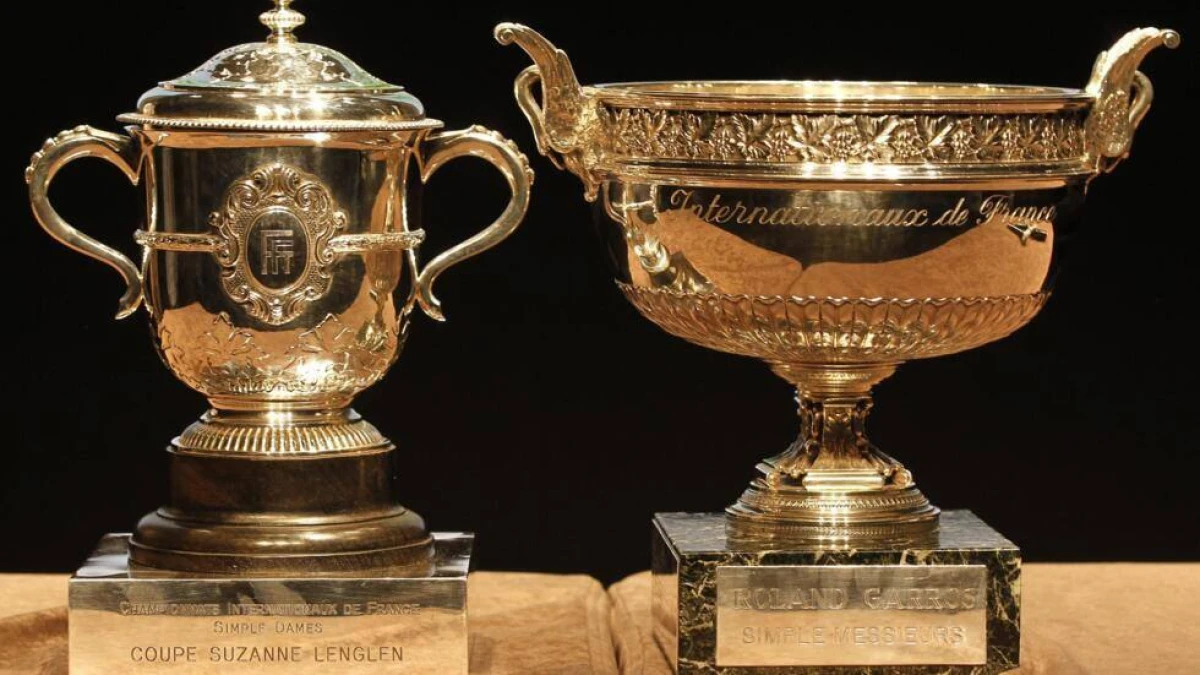
Today is the women's final, tomorrow is the men's.
At the beginning of June, the eyes of the whole world are turned to Paris. The Roland Garros Open Championship is one of the four major events in world tennis. But it is more than just a sporting event. It is a true cultural phenomenon woven into the fabric of Paris and world sports. It shapes fashion, gastronomy, and even lifestyle. Every year, the French Open becomes a showcase of French charm, attracting designers, chefs, and media.
☝️An interesting fact: Roland Garros, after whom the tournament is named, never held a racket in his hands. He was an aviator, the first to fly across the Mediterranean Sea in 1913, almost blind, with a compass, on the edge of fuel, and a hero of World War I. He died in aerial combat in 1918, a month before the armistice, becoming a symbol of courage. He was 29.
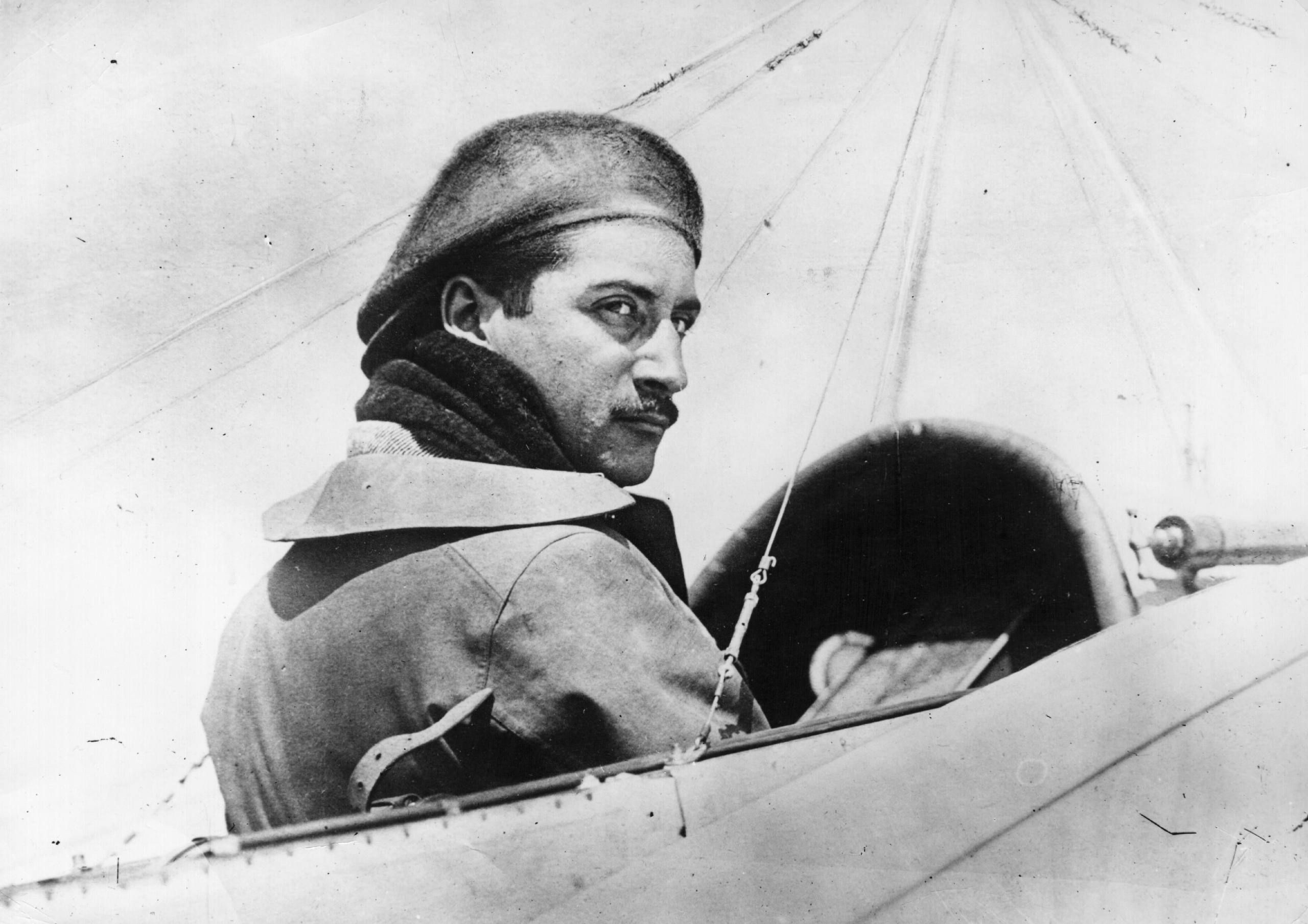
The stadium received his name almost by chance: in 1928, during the construction of the court for the Davis Cup, the land was allocated on the condition that the court would be named after Garros, a graduate of the local lyceum.
The uniqueness of the Paris championship is given by the red clay, made from crushed brick, laid in layers like an exquisite dessert. This surface changes the game. On other courts, the ball flies fast and low. Here, it is slow and high. The clay dampens speed, gives more time for a shot, and punishes errors differently. Players who dominate on hard and grass courts start anew here. Players run, slide, fall — it’s a marathon, not a sprint. Winning here requires strategy, not just a powerful serve.
Moreover, Roland Garros is a runway for style. In its stands, one can see the latest trends: from elegant hats to luxury sportswear. Leading brands like Lacoste and Nike release collections dedicated to the tournament, where the red color of the clay becomes an accent.
Tennis players turn the court into a runway, setting the fashion for the season, trying to outdo each other. This year, attention was drawn to Belarusian Aryna Sabalenka, who played in the first round wearing a sparkling necklace with diamonds and garnets worth $114,000. Japanese tennis player Osaka stepped onto the court in a tennis dress by Nike embellished with golden sequins and a tiered skirt.
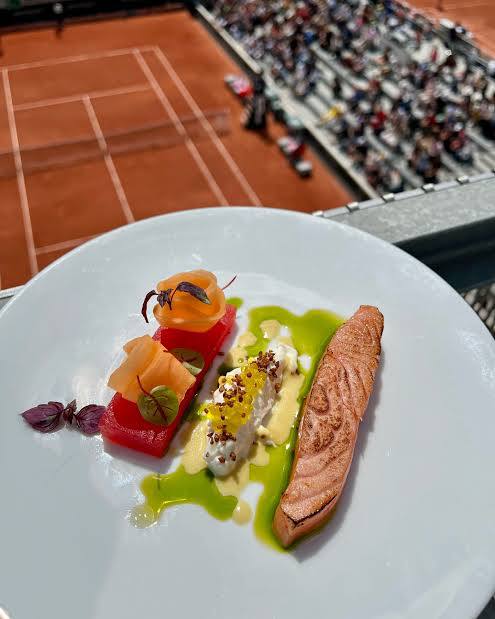
The gastronomy of Roland Garros is a separate topic. The stadium serves not just sandwiches, but baguettes with camembert cheese, truffle snacks, and champagne, while VIP areas offer dishes from Michelin-starred chefs. Spectators enjoy strawberries with cream. Local cafes around the Stade Roland Garros offer special menus, where each dessert is like a small trophy.
French directors make documentaries about the tournament, and writers dedicate essays to it. In the 2020s, podcasts and streams have brought the French Open closer to the youth. The tournament inspires not only athletes but also artists, who see in the red clay a metaphor for life — dusty, yet beautiful.
The tournament has firmly intertwined with Paris into a single DNA. Roland Garros is Paris in the flesh: refined, passionate, alive, with its own traditions and rituals. Spectators bring picnics, spreading blankets on the lawns around the stadium. Children run with mini-rackets, dreaming of becoming the next Nadal. And the shout "Olé!" is not just support, but a password that unites the stands. Roland Garros is a celebration where tennis mixes with the French art of living.
<iframe width="560" height="315" src="https://www.youtube.com/embed/2Ndl7DRO2NM?si=jY4_7CAHhitCiYcv" title="YouTube video player" frameborder="0" allow="accelerometer; autoplay; clipboard-write; encrypted-media; gyroscope; picture-in-picture; web-share" referrerpolicy="strict-origin-when-cross-origin" allowfullscreen></iframe>