
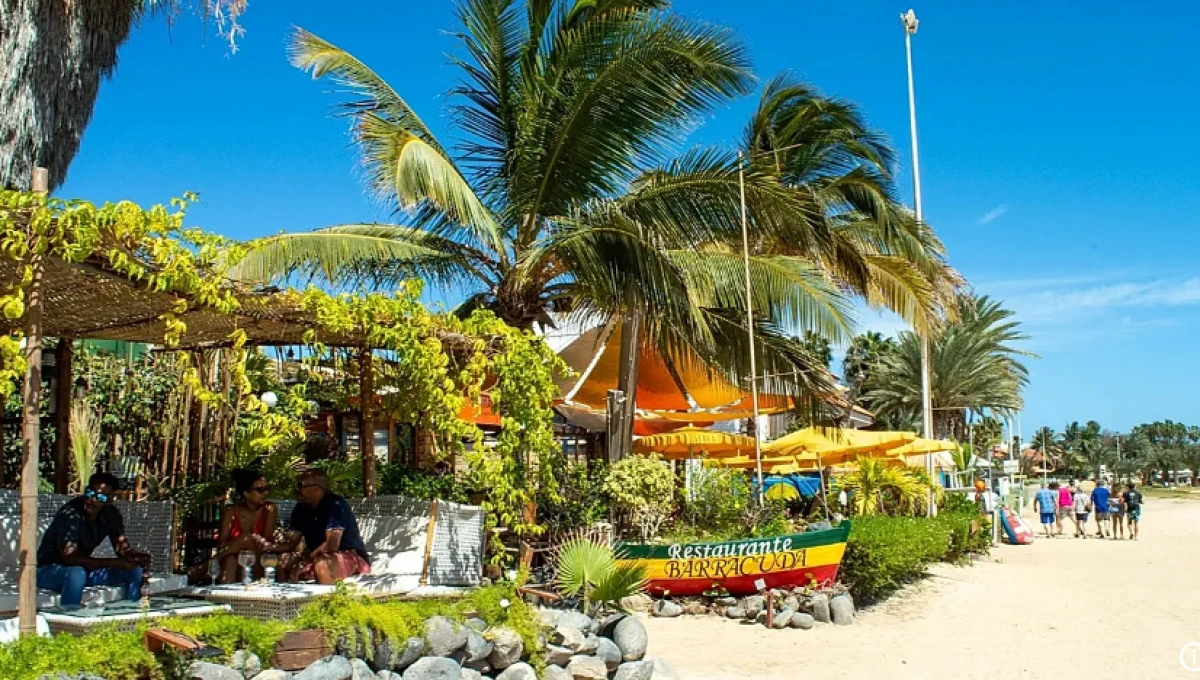
Exploring the islands is best done through tastes and aromas.
In addition to its debut at the World Cup, Cape Verde attracts not only with football: fresh seafood, beach holidays, and a rich cultural heritage.
Located about 500 kilometers off the coast of West Africa, Cape Verde is an island nation that has come into the spotlight after qualifying for the World Cup for the first time in history this summer.
Geographically, the islands of the country belong to Macaronesia, which translates to "islands of bliss," along with Madeira, the Canary Islands, and the Azores—all of these Atlantic archipelagos are known for their similar vegetation and volcanic landscapes.
As the country prepares to join nine other African teams on the world’s main football stage, we explain why Cape Verde should be added to your travel list.
When is the Best Time to Visit Cape Verde?
In a country where the sun shines 350 days a year, temperatures usually range from 21 to 29 °C.
There are essentially two seasons on the islands: "Tempo das brisas," or "time of winds," from October to mid-July, and "tempo das chuvas" – the rainy season, which lasts from August to September.
Those looking to avoid the island heat should visit during the cooler months of January and February, when temperatures can drop to 16 °C. For those ready for higher temperatures, planning a trip in September is advisable, when the thermometer rises above 36 °C.
Which Island to Choose?
Cape Verde stretches over 4,033 square kilometers of the Atlantic and includes 10 major islands, of which nine are inhabited. Each has its own character shaped by Creole culture.
Beach lovers will enjoy Sal (which translates to "salt"): the island is famous for its crystal-clear turquoise waters, contrasted by white sandy beaches, and a mild climate year-round. Santa Maria beach is considered one of the "seven wonders of Cape Verde": here, vacationers often spot dolphins, schools of fish, rays, and, if lucky, moray eels in the water. Nearby, there are restaurants, shops, and plenty of water activities and excursions.
Not just the sea: the town of Santa Maria on Sal island offers excellent hiking routes from Ponta de Santa Maria to Ponta Preta beach, as well as golf courses, horseback riding, zip lines, and visits to the Pachamama Eco Park botanical garden or the "House of Culture" museum.
For those more interested in culture than beaches, a trip to São Vicente island is recommended, which stands out for its unique blend of African, European, Portuguese, and Brazilian influences. Its capital, Mindelo, is home to the Centro Cultural do Mindelo, where visitors can "feel the soul of Cape Verde" through cuisine, street art, crafts, nightlife, and traditional music tours. Tours are conducted in English, French, German, and Portuguese; a six-hour island and culture overview tour costs from 130 euros.
On the other side of the archipelago, Maio island is perfect for a more leisurely and tranquil vacation. The Cape Verde tourist office recommends getting around by bicycle to fully enjoy the local beaches, bays, lagoons, and cultural attractions.
Many beaches on Maio are also biosphere reserves and protected areas, where thousands of sea turtles come ashore each year to lay their eggs. Accompanied by a guide or biologist, tourists can observe turtles in places like Lagoa, Barreiro, Salinas Porto inglês, and Terras Salgadas.
Other islands of Cape Verde include Santiago, Fogo, Santo Antão, Brava, Boa Vista, São Nicolau, and Santa Luzia.
Atlantic Cuisine and Cruise Routes
From postcard-perfect beaches to restaurant tables, exploring the islands is best done through tastes and aromas as much as through sights.
One of the signature dishes is "cachupa," a hearty stew made from a mix of meats (beef, chicken, tuna, sausage) simmered with vegetables: corn, beans, cassava, carrots, cabbage, kale, and pumpkin. It’s no coincidence that it’s called the "celebration of the islands" here.
Thanks to the rich waters of the Atlantic, seafood is another pillar of local cuisine: the menu often features swordfish, grouper, horse mackerel, mackerel, lucian, and salmon. The most adventurous gourmets can try octopus or fried conch meat to truly experience the local taste of Cape Verde’s sea.
Cruise routes that dock at the ports of São Vicente and Santiago open up opportunities for longer journeys, connecting Cape Verde with other destinations in Africa, including Senegal and The Gambia. Cruises calling at Cape Verde are offered by companies such as Royal Caribbean, MSC Cruises, Costa Cruises, and Princess.
A non-stop easyJet flight from Lisbon to Boa Vista takes about four hours and 20 minutes round trip, with prices starting at 136 euros in September. Direct flights with easyJet and TAP Air Portugal are also available from other European cities, including London, Manchester, Brussels, and Porto.
The country has a total of seven airports: three more operate as domestic hubs and provide flights between the islands on the local airline Cabo Verde Airlines.















Leave a comment