
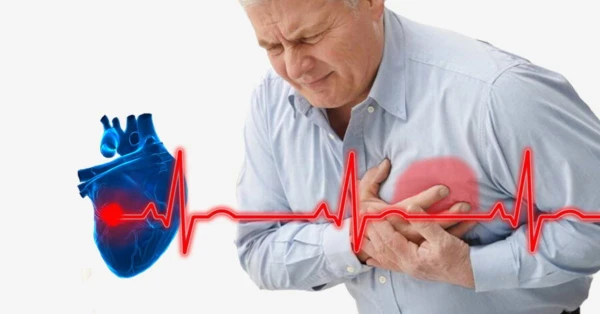
If you have had a test for total cholesterol and saw 'correct' numbers, it does not mean that a heart attack is not a threat to you. A cardiologist from the FMBA explained why a heart attack can happen even to a person with ideal test results.
It is commonly believed that high cholesterol is the main risk factor for a heart attack, as heart attacks often occur due to the blockage of coronary arteries by plaques. However, it is important to consider that moderate cholesterol levels in the blood do not guarantee normal blood supply to the heart. Why many are mistaken in relying on low cholesterol levels was explained by cardiologist Anna Masterkova from the Federal Center for Cardiovascular Surgery of the FMBA.
Not Just Total Cholesterol
"One of the reasons for a heart attack with normal cholesterol levels is the incorrect interpretation of test results," says the cardiologist. "It is necessary to evaluate the lipid profile as a whole, which includes not only total cholesterol but also low-density lipoproteins, triglycerides, and high-density lipoproteins. It is the low-density lipoproteins (LDL) and triglycerides that can trigger the formation of atherosclerotic plaques."
It is important to understand that the process of plaque formation begins with damage to the inner wall of the arteries — the endothelium, after which inflammatory cells rush to the site of damage, and LDL penetrates. They pass through the artery wall and oxidize, forming "fatty streaks"; then, as a result of a cascade of reactions, the plaque grows: a fibrous "cap" forms over the "fatty core," narrowing the vessel lumen and thereby disrupting the organ's nourishment.
How Thrombi Appear
"The danger lies in the fact that suddenly, for example, against the background of stress, physical exertion, increased blood pressure, or inflammation, the fibrous cap ruptures," continues Anna Masterkova. "The contents of the 'core' of the atherosclerotic plaque enter the vessel lumen. The body perceives this as an injury and initiates a coagulation cascade, thus a thrombus forms instantly at the site of rupture."
If it blocks 90-100% of the artery lumen, blood flow ceases, leading to ischemia and necrosis (heart attack) of the organ.
"A heart attack can also develop without a large plaque — for example, due to plaque erosion (more common in smokers) or due to artery spasm (for instance, against the background of acute stress). This can lead to microcracks and local inflammation," says the doctor.
Hidden Inflammation and Heart Attack
All inflammatory processes that persist in the body for a long time negatively affect the condition of the vascular walls. These include:
-
chronic systemic inflammation — for example, in rheumatoid arthritis, psoriasis, inflammatory bowel diseases;
-
severe infections — influenza, COVID-19, sepsis, which increase the risk of thrombosis.
Patients suffering from these pathologies need to pay close attention to the health of their heart and blood vessels. Hidden inflammation can be detected through a blood test for C-reactive protein.
Such an Important Vitamin B
"Another non-obvious risk factor for heart attack is a deficiency of B vitamins. It leads to the accumulation of homocysteine — an amino acid that, in excess, damages the inner lining of blood vessels. This is typical for people who do not consume meat and fish dishes," says Anna Masterkova.
Other Causes of Heart Attack
In addition to high cholesterol levels, the causes of heart attack can include:
-
smoking, including electronic cigarettes;
-
excess weight, especially visceral obesity;
-
obstructive sleep apnea syndrome;
-
chronic stress and lack of sleep;
-
poorly controlled arterial hypertension;
-
diabetes mellitus.
"To monitor the condition of the cardiovascular system, it is important to undergo regular examinations, including blood tests for lipid profile, glycated hemoglobin, C-reactive protein, homocysteine, thyroid-stimulating hormone, and coagulation rate. An annual check-up will help identify problems at an early stage and compensate for deficiencies," concludes Anna Masterkova.















Leave a comment