
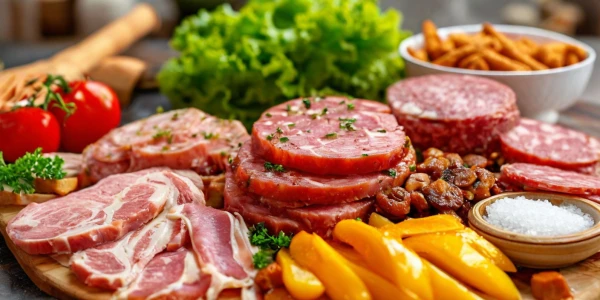
Ultra-processed foods can significantly increase the risk of death in people who have survived cancer. Moreover, the danger comes not only from obviously harmful dishes but also from products that are considered "light" or dietary.
As researcher Mari Laura Bonaccio explains, one of the simplest ways to determine the degree of processing of a product is to closely examine the ingredients list. If there are more than five ingredients or if food additives are present, it is highly likely that you are dealing with an ultra-processed product.
This category includes not only sweets, chips, soft drinks, and processed meats but also products that seem harmless. These include breakfast cereals, flavored yogurts, vegan meat substitutes, frozen convenience foods, baking mixes, and even some industrial bread.
Why they are dangerous
According to scientists, the harm of such products is not limited to their high calorie content. Additives and substances used in industrial processing can interfere with metabolic processes, disrupt the balance of gut microbiota, and provoke inflammation.
This means that even with similar calorie content and composition, ultra-processed foods can be more harmful than fresh or minimally processed foods.
What the study showed
Italian scientists analyzed data from more than 800 cancer survivors, tracking their diet and health status over 14 years. During this time, 281 participants died — nearly one in three.
The results showed that individuals who consumed ultra-processed foods more frequently had a 48% higher overall risk of mortality and a 57% higher risk of death from cancer compared to those who limited such foods.
Researchers note that the association remains regardless of the overall quality of the diet. Partially, this is explained by increased levels of inflammatory processes in the body and changes in heart rhythm.
A global nutrition problem
Experts emphasize that the spread of ultra-processed foods is changing eating habits worldwide. Even in countries with traditionally healthy cuisines, such as Mediterranean regions, fresh and homemade dishes are increasingly being replaced by industrial products.
According to Bonaccio, this is no longer just a matter of personal choice. It is about a global food system that favors accessible but less nutritious products high in sugar, fats, and additives.
Specialists advise prioritizing natural foods whenever possible and carefully examining product compositions, especially for people with chronic diseases and those who have undergone serious illnesses.















Leave a comment