
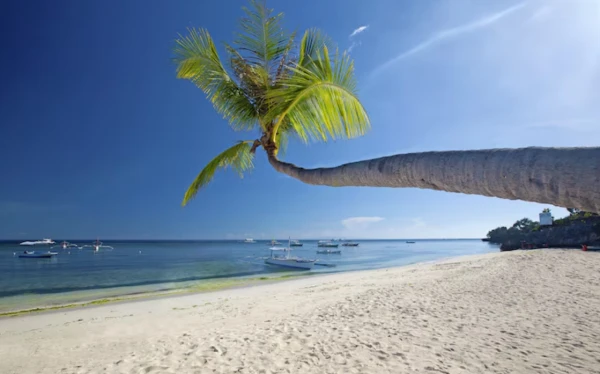
The sand here is so white that it doesn’t heat up in the sun.
Of the 7000 islands of the Philippine archipelago, only 2000 are inhabited. Visiting them all is unlikely to be possible, but exploring the most famous ones during a vacation is quite realistic. Locals, known for their friendliness and sociability (they send more messages to each other in a day than Europe and the USA combined), will help with this. Here’s what to see.
Best Beaches
The term "best" is not used lightly here: Philippine sand is even exported to global resorts, including the UAE.
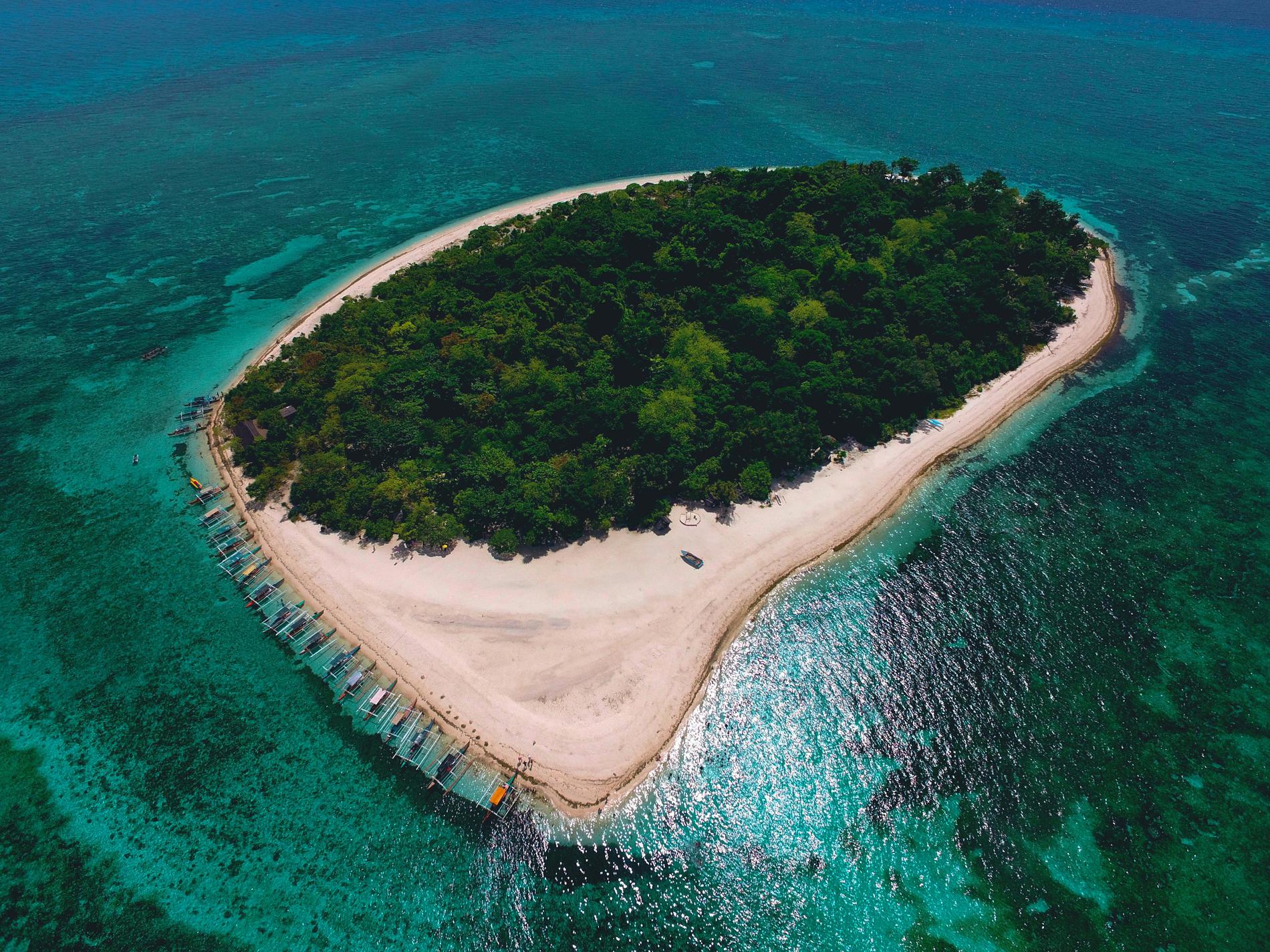
The most famous beach in the country is White Beach on Boracay: the sand here is so white that it doesn’t heat up in the sun. On the same island, there is Puka Beach, covered in crushed shells. On Palawan, tourists relax from the hustle and bustle at Nakpan Beach with its golden sand. On Bohol, everyone is drawn to Alona Beach. And off the coast of Moalboal in Cebu, you can meet turtles.
Amazing Diving and Snorkeling
It is said that one of the best diving spots in the world is the Tubbataha Reef in the Sulu Sea: corals, fish, turtles, sea stars — the color palette of the underwater world is stunning. It is difficult to reach the reserve (only as part of a diving safari), but there are other spots near tourist islands. These include Mactan Island, Pescador, and Coron Bay with its sunken ships. In the village of Oslob on Cebu Island, you can swim with whale sharks that have been fed by locals.
Medieval Intramuros
"Within the walls" — this is how the intricate name of the historical district in the capital Manila translates. It was built in 1571 by the Spanish, who enclosed the quarter with a wall to protect themselves from locals. The area includes Fort Santiago, the Cathedral, other Catholic churches, and a university. For reference: the Philippines were discovered by the navigator Ferdinand Magellan, who was actually Portuguese but worked for the Spanish. Magellan was ultimately killed in the Philippines, the islands were named after the Spanish heir to the throne, Philip, and Spanish expansion in the archipelago continued until the 19th century.
The Oldest City
While there is debate regarding the status of the oldest city in the archipelago, the title of the oldest European settlement in the Philippines undoubtedly belongs to Cebu, founded in 1565.
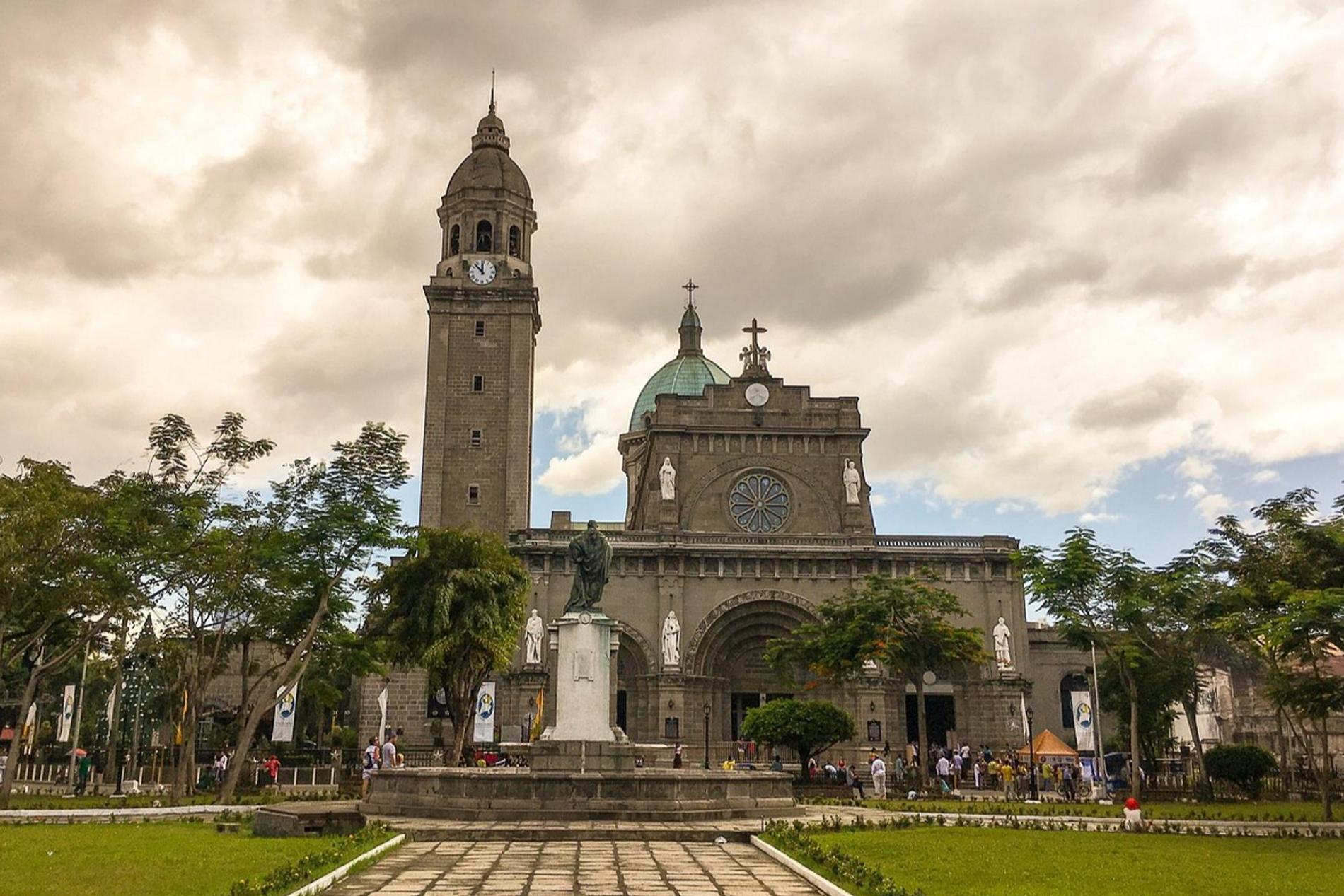
Colonial-style houses, a fort, cathedrals — much has survived to this day. By the way, the Basilica of the Santo Niño houses the miraculous cross of Magellan, which is said to heal illnesses. But it’s not just about the city: Cebu Island has many waterfalls that must be visited, including Kawasan, Tumalong, and Aginid.
Unique Transport
In Thailand, there are tuk-tuks; in Zanzibar, there are dala-dalas; and the national transport of the Philippines is jeepneys.
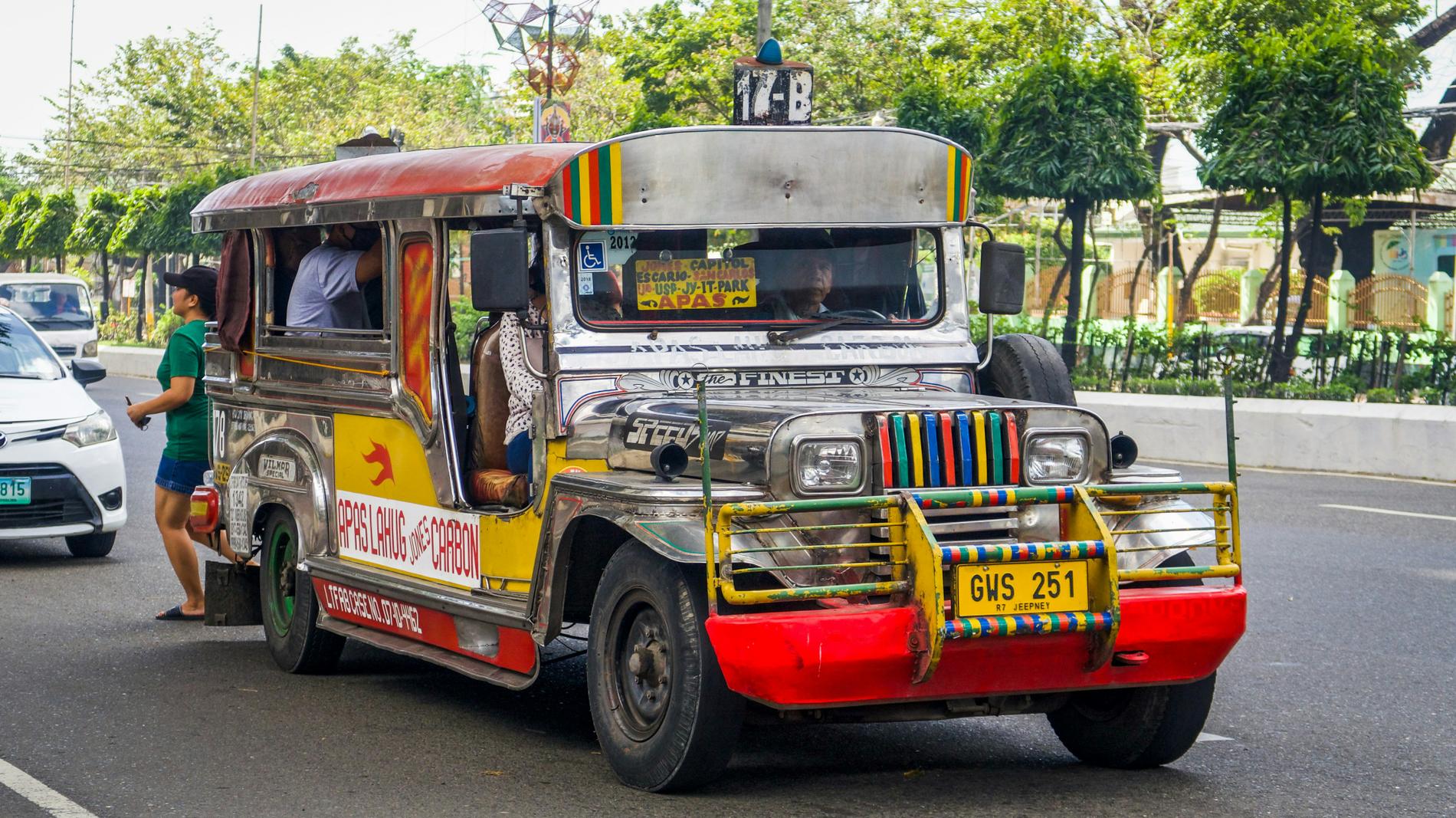
Resourceful Filipinos "crossbred" American jeeps left on the islands after World War II with buses, painted them, and made them a symbol of the country. Another interesting mode of transport is tricycles, speedy three-wheeled motorcycles with a cabin. And since there are hundreds of islands in the country, many are served by "bancas," bamboo boats.
Underground River
24 kilometers — that’s the length of the Puerto Princesa River on Palawan Island, eight of which are underground, meaning in a cave accessible to tourists. Unfortunately, you won’t be able to float much: only a kilometer and back — beyond that, there’s too little oxygen. However, the trip will still be unforgettable: around you are stalactites, stalagmites, and silence, occasionally broken by the cries of bats and the sound of dripping water. Afterward, you can head to the more "lively" mangrove forests.
Rice Terraces
In the north of Luzon Island, near the town of Banaue, giant steps descend down the slopes of the Philippine Cordilleras.
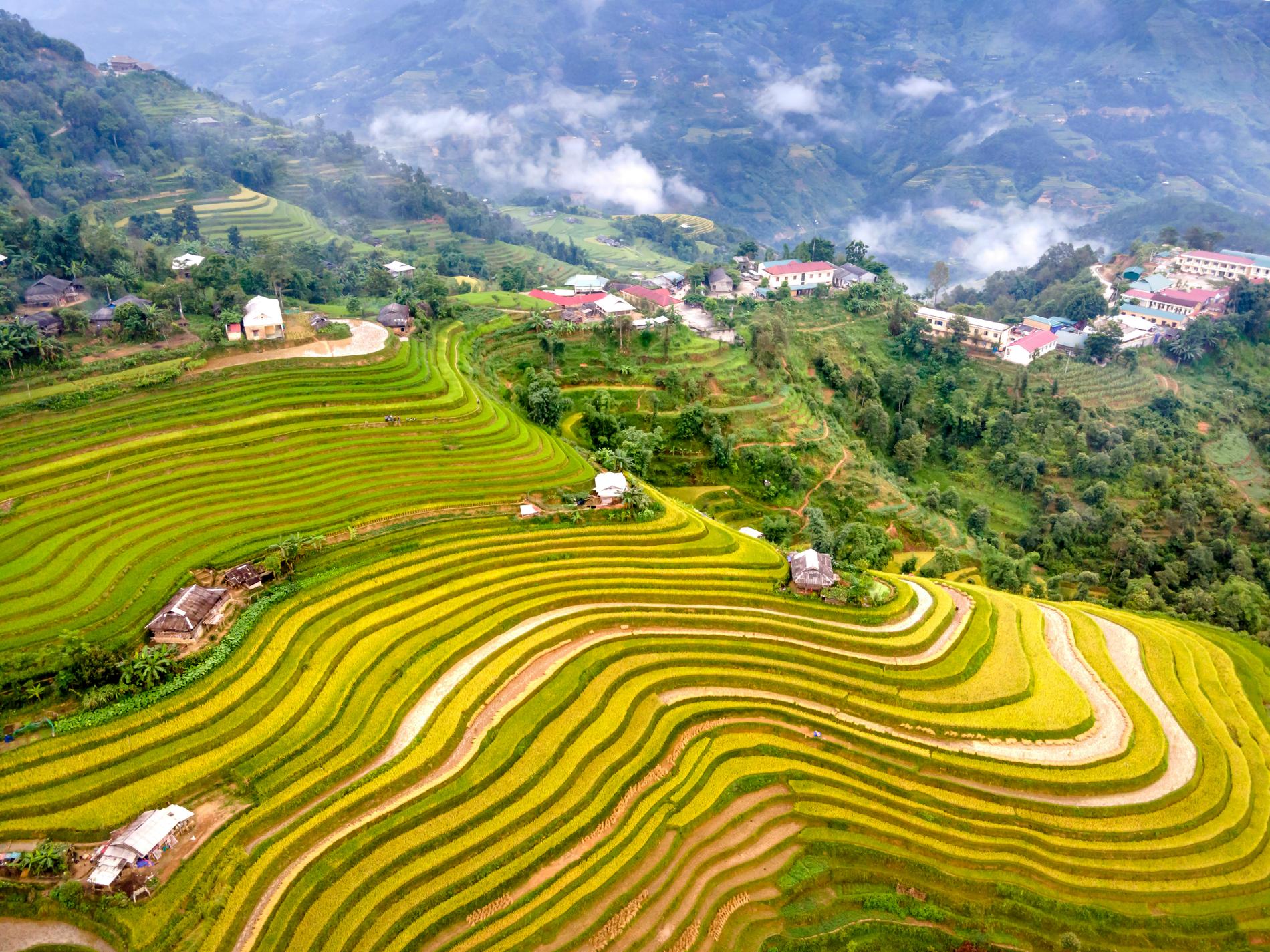
The rice terraces were built over 2000 years ago by the Ifugao tribe manually using the most primitive tools. The process of growing rice has hardly changed over the centuries. The panorama is mesmerizing at any time: initially, everything is flooded with water, reflecting the sky. Then everything begins to ripen in various shades of green.
Hanging Coffins
If you want to get your nerves tingling, you can travel to Sagada on Luzon Island, where the dead are buried not in the ground but above it. This tradition, by the way, came from China. Relatives carry the body to a creepy cemetery by hand to inherit the talents of the deceased through touch. Next, the body is placed in a coffin carved from a tree trunk in an embryo position, the sarcophagus is raised to a sheer cliff, and secured there. Sometimes a chair of the deceased is hung nearby.
Chocolate Hills
These are what inspired the producers of famous chocolate candies and truffles. However, this story is not about chocolate, and cocoa trees do not grow here.
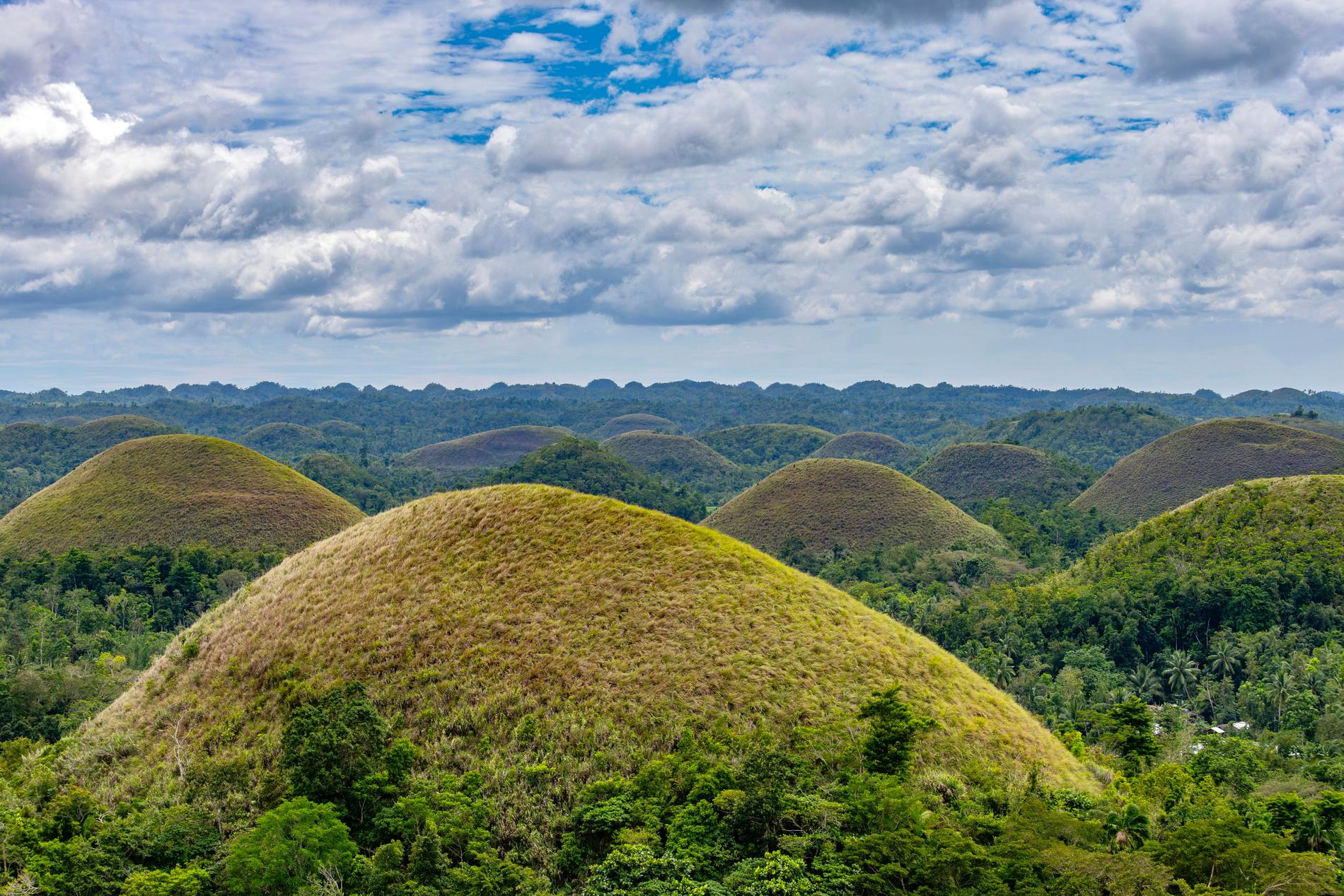
It’s just grass covering hundreds of karst hills on Bohol Island that turns dark brown during the dry season. By the way, the locals are not at all close to the "chocolate" theme: they believe that the hills are the product of the life activities of a giant buffalo that had stomach problems. Or a more beautiful legend: the hills are the tears of a giant who lost his beloved.









Leave a comment