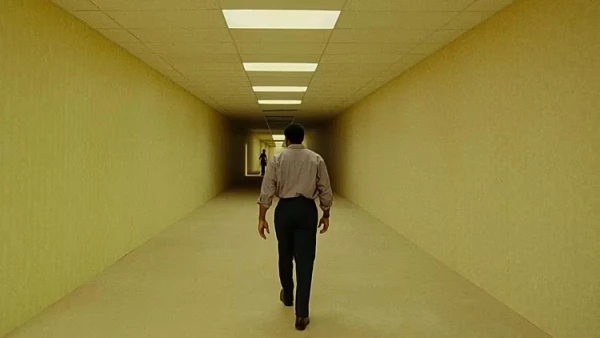
People fear change with a persistence worthy of better application. This is one of the most paradoxical features of human nature. We can tolerate an unloved job, toxic relationships, or our own harmful habits for years, fully aware that we are living poorly. But a step into the unknown frightens us much more than familiar pain. This fear is deeply rooted in our biology and psyche, and understanding its causes is the first step to no longer being its hostage.
Evolutionary Reasons
In the distant past, change rarely promised anything good. A new tribe on the horizon, an unfamiliar sound in the forest, a change of campsite — all of these were associated with a real threat to life. The human brain evolved to survive, not to be happy. Its key task is to maintain the status quo because the known, even if unpleasant, is safer than the unknown.
Ancient "Alarm System" in the Modern World
This evolutionary anxiety is still embedded in our "operating system." When we think about changing careers, moving, or starting a new project, the same mechanism that once protected us from predators is activated. Today, instead of a saber-toothed tiger, an inner voice emerges: "What if it gets worse?"
Comfort Zone as a Zone of Familiarity
Psychologists refer to this state as the "comfort zone," but it is more about the zone of the familiar. Even if it is cramped and dreary, it is predictable:
-
the rules are clear,
-
reactions are rehearsed,
-
the brain operates on autopilot, conserving energy.
Stepping outside of it means learning, uncertainty, and the risk of mistakes. The brain perceives this as a threat and activates resistance — laziness, procrastination, anxiety.
Illusory Costs
Another strong brake is the tendency to overestimate losses and underestimate gains.
We fear losing:
-
a stable salary,
-
a familiar schedule,
-
a known team.
At the same time, potential gains — freedom, self-realization, joy — seem abstract and unreliable. As a result, hypothetical losses outweigh the real suffering of the present.
How to Stop Fearing Change
Honest Conversation with Yourself
Start with simple yet challenging questions:
-
What price am I paying for my current situation?
-
What will happen to my life in 1, 5, 10 years if nothing changes?
The fear of an unchanged future often turns out to be stronger than the fear of change itself and becomes a powerful motivator.
Reducing Uncertainty
Fear feeds on fog. The more clarity, the weaker the anxiety.
It is important to move from abstract desires to concrete steps:
-
not "change professions," but take a course by a specific date;
-
not "find a job," but send resumes to a certain number of companies.
A large goal should be broken down into small, manageable actions. This way, change transforms from a leap into the abyss into a journey across a bridge that you are building yourself.
Shifting Focus from Losses to Gains
It is helpful to make two lists:
-
What am I losing by staying in my current situation;
-
What am I gaining if I decide to change.
Regularly revisit the second list. The brain needs to be consciously trained to see opportunities, not just threats.
Permission to Make Mistakes
Perfectionism is the best ally of the fear of change. The "all or nothing" mindset paralyzes.
It is important to allow yourself:
-
to make mistakes,
-
to adjust the course,
-
to change decisions.
The first attempt may fail — and that’s okay. It is not a failure, but an experience. It is better to perceive change as an experiment rather than an exam.
The fear of change is merely the voice of our ancient "operating system," striving to protect us from imaginary dangers. It can be thanked for its concern, but not allowed to control our lives.
Life beyond the familiar place can be vibrant, meaningful, and full of growth. You deserve just such a life — and it all starts with the first step.