

Neurobiologists explain the phenomenon of "reverse déjà vu" and describe how the brain creates a sense of unfamiliarity with familiar things.
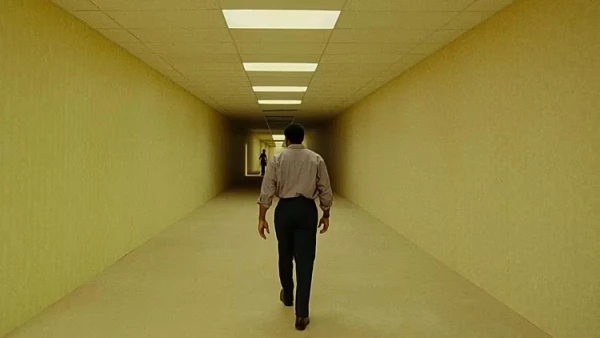
The jamais vu effect is a strange sensation when familiar words, faces, or objects suddenly seem foreign. Unlike the usual déjà vu, where something new feels familiar, jamais vu flips perception: the familiar becomes unfamiliar.
Why the Brain Pulls Such Tricks
The brain constantly saves resources by using ready-made templates for object recognition. But sometimes a glitch occurs: the connection between perception and memory is disrupted, and familiar things are perceived as new. This often happens during the repetition of words or actions — the effect of semantic saturation temporarily exhausts the neural pathways responsible for recognition.
When Jamais Vu Becomes a Warning Signal
Short-term episodes are completely normal and pass on their own. However, frequent and prolonged manifestations may indicate neurological conditions, including epilepsy. Chronic stress and depression also amplify the effect, causing the brain to operate in overload mode.
How to Cope with Jamais Vu
- Don’t panic: this is a temporary glitch in brain function.
- Shift your attention: set aside the text or leave the room.
- Monitor your sleep quality: lack of sleep increases the risk of cognitive glitches.
- Take breaks during monotonous work, change types of activities.
- Physical activity improves blood supply to the brain and the functioning of neurotransmitters.
Unexpected Benefits of Jamais Vu
Episodes of jamais vu help to "turn off the autopilot" and see familiar things in a new light. Psychologists sometimes use this effect in therapy, while creative professionals use it to find fresh ideas and unusual associations.
Jamais vu reminds us that the brain is a complex and efficient system. Short cognitive glitches are a natural price for its operation. And if, from time to time, the familiar seems unfamiliar, it is a sign that the brain is alive, active, and in need of rest.















Leave a comment