
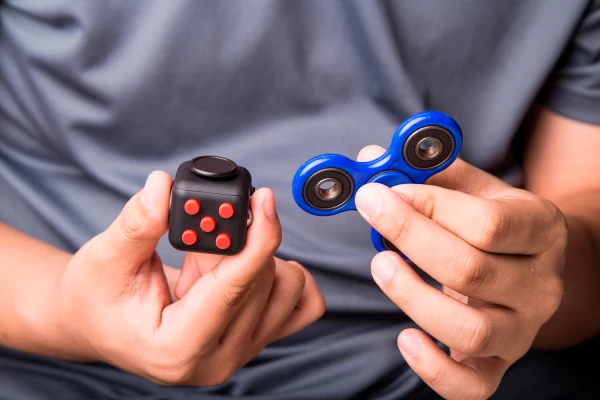
Companies have emerged that have started developing jewelry capable of satisfying sensory needs.
People with autism spectrum disorder (ASD) are diverse in both character and abilities. However, most of them benefit from devices that help reduce anxiety levels. It may seem that these specific items are only in demand among individuals with nervous system functioning differences. Yet, many of these items have gained significant popularity among neurotypical (ordinary) children and adults.
Spinner
The real boom in spinner enthusiasm occurred a few years ago. But what were these devices originally invented for?
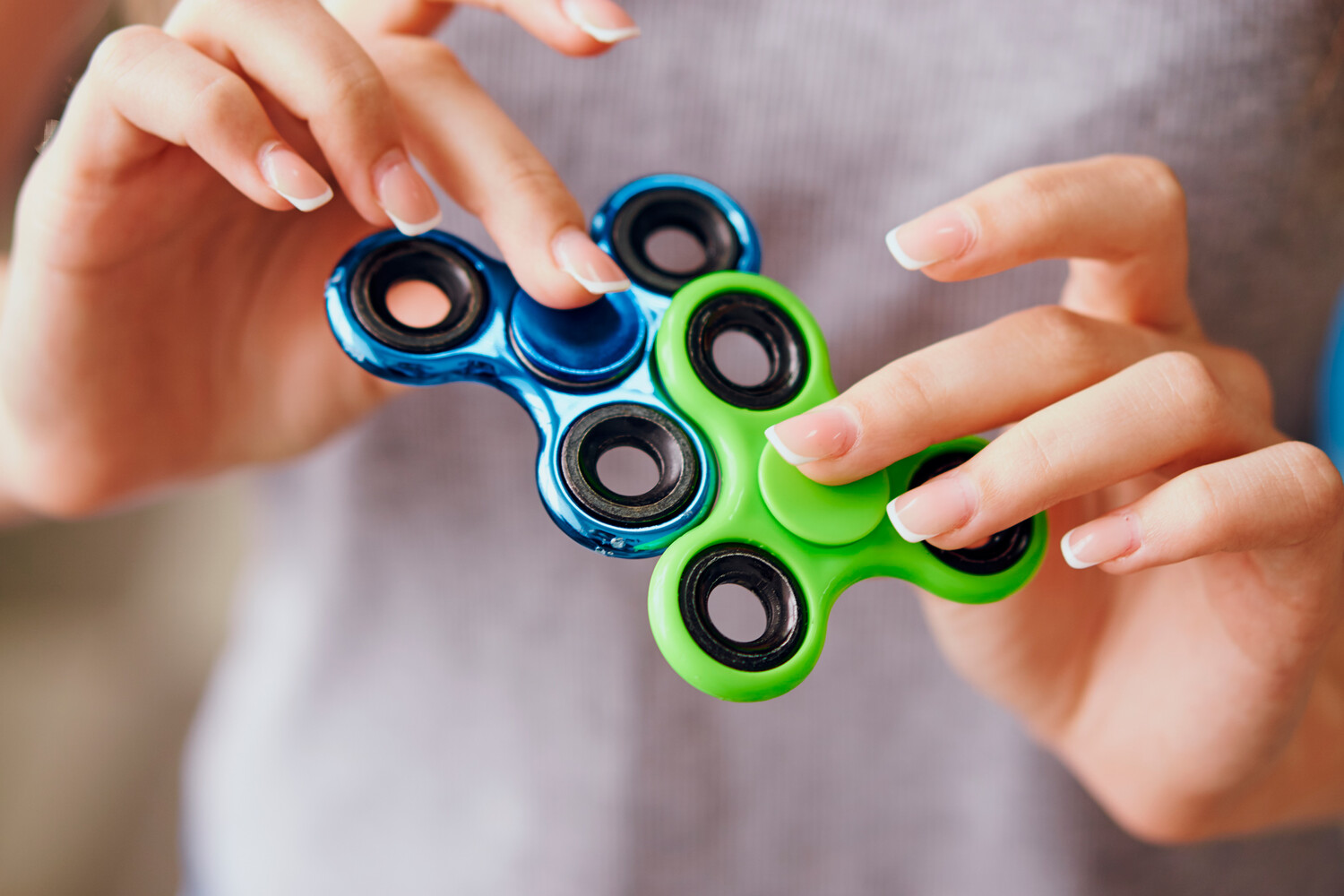
Some children with ASD enjoy watching the spinning blades of a fan for long periods or endlessly spinning the wheel of a toy car. Therefore, a spinning toy was created that a child with autism could take with them, for example, on public transport, to feel calm in a noisy environment and crowd.
Indeed, children with ASD or hyperactivity enjoy watching spinners. But this pastime has also appealed to neurotypical (normotypical, ordinary) children and adults.
Spinners have been popular among young people as office toys for quite some time. And it's no coincidence. Do you know what pen spinning is? It's tricks performed with the fingers of one or both hands using a pen or marker. You can modify a regular pen using parts from other pens or markers. Alternatively, you can purchase a special pen for pen spinning with weights attached to the ends of the pen — there are many videos online with tutorials on pen spinning. It is believed that it was invented in Japan long before spinner toys appeared. But even earlier, office workers and other normotypical adults were already competing with each other in finger dexterity using Zippo lighters. And we can also recall the habit of spinning car keys on a finger — almost a spinner.
Fidget Cube
The word "fidget" has recently entered our language from English. Fidget means to squirm, twist, like a fidgety person.
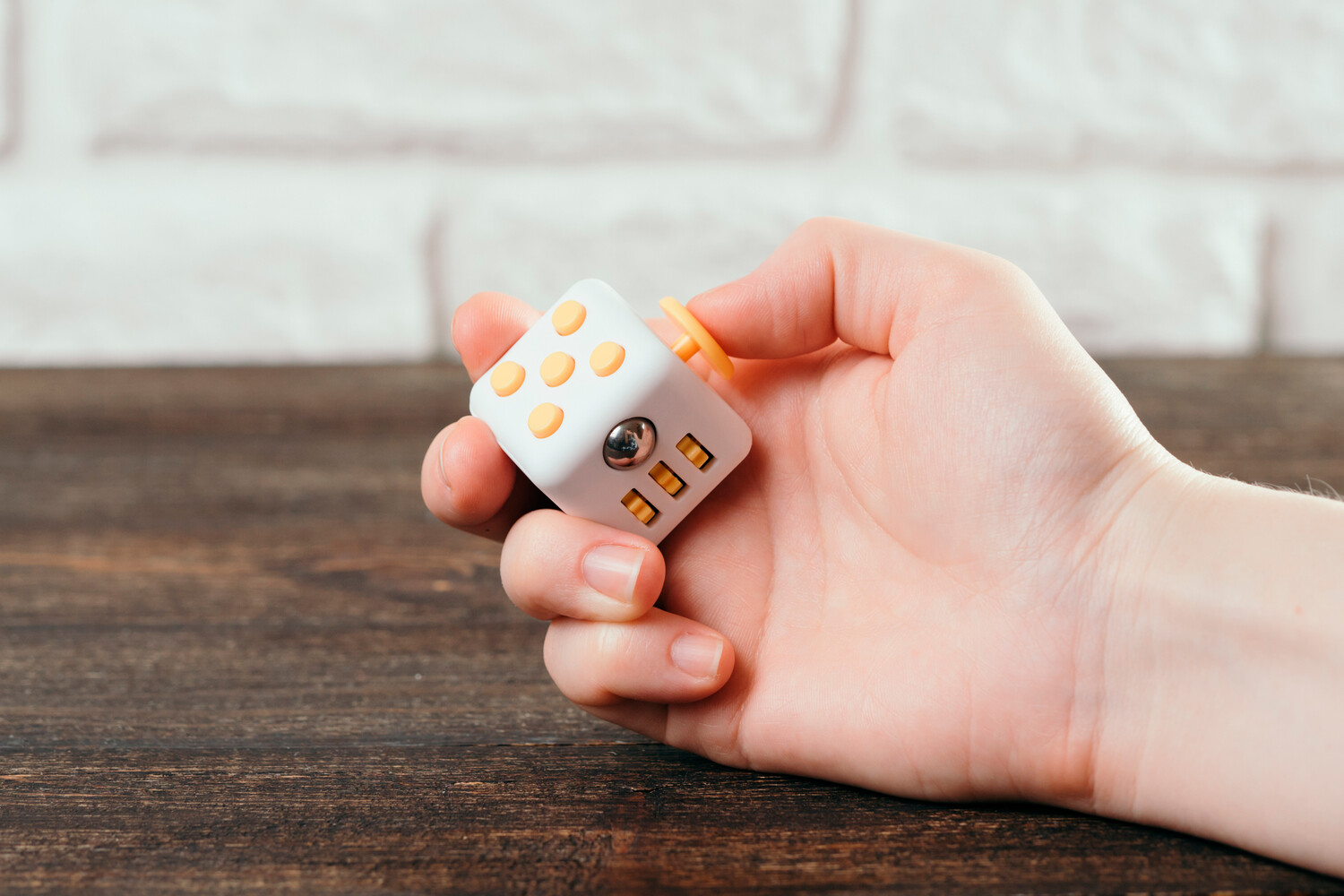
Many are unaware that fidgets were invented for children with autism and attention deficit hyperactivity disorder (ADHD), not as office toys. By the way, the emergence of such a variety of office toys on the market raises the question: "What is really happening in offices?".
The fidget cube combines the properties of a spinner with additional features. It can be spun, as well as clicked on buttons and moved with fingers small levers located on its sides.
The ability to "fidget" with fingers helps children and adults with developmental differences maintain calm in places where active movement and noise are not allowed. Well, an office is also such a place. The fidget cube is usually small, can be carried in a pocket, and can be taken out or used by reaching into the pocket. There are modifications of this cube with different features. Its sides have silicone buttons, metal spinning balls, and even a miniature joystick.
Hugs and Anti-Stress
Not long ago, a character from a computer quest became a plush toy and quickly conquered the market. What is the secret of the popularity of the toy Hugs the Goose? Probably the key word here is "hugs".
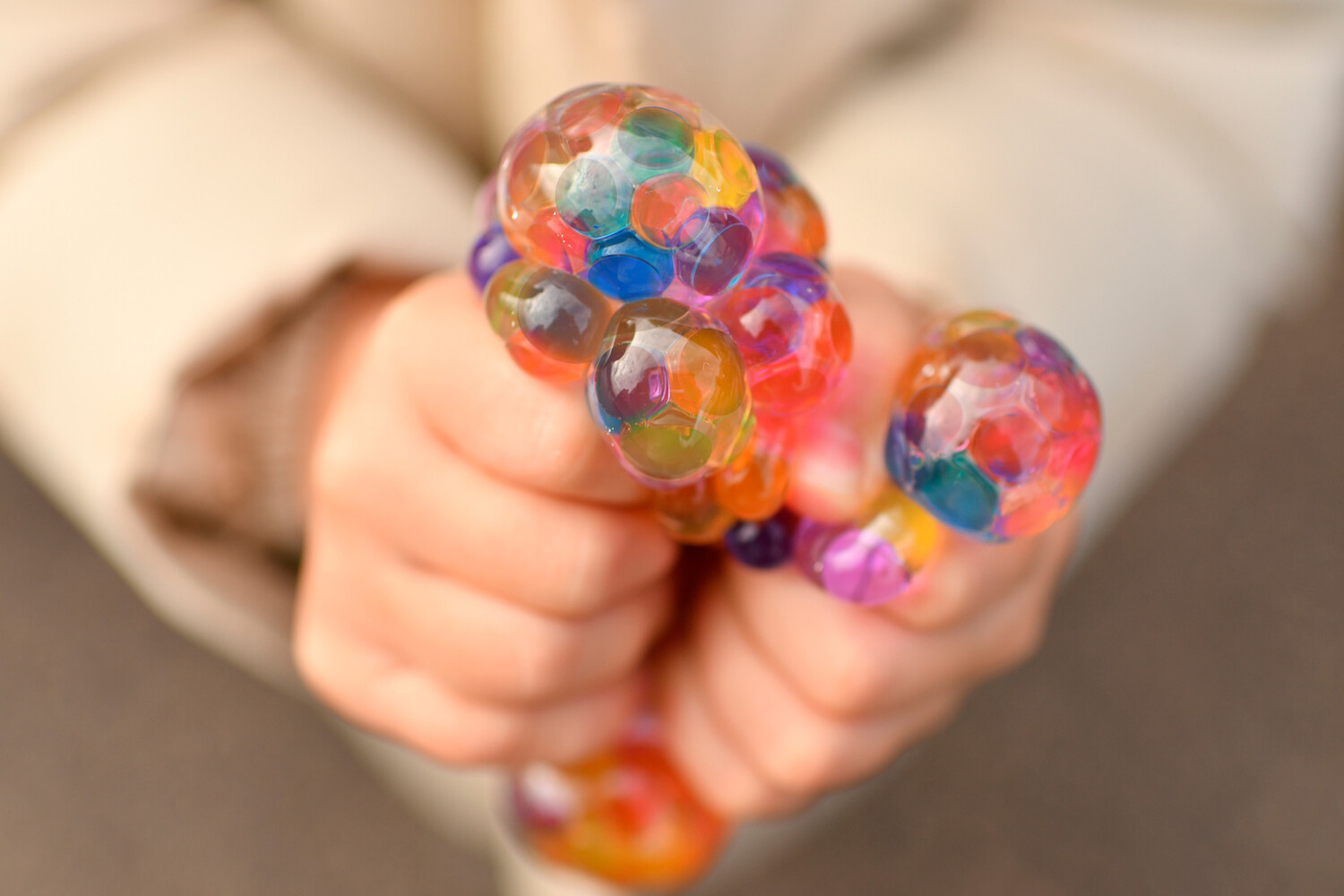
The deep tactile sensations that occur during hugs calm all mammals. Humans are no exception.
Children and adults with autism may have certain characteristics: many of them react painfully to touches from other people but have a huge need for tactile sensations reminiscent of hugs. Such a contradiction. What is the solution? You can regulate the intake of tactile sensations — only touch what you like or hug what you like. Agree, there is a difference: being touched or deciding for yourself what to touch.
Toys associated with pleasure from touch are currently extraordinarily popular. They can be small or large, made from various materials. A huge Hugs the Goose may not be suitable for the office, but by searching for "office anti-stress toy," you can find a lot of things that can be squeezed, stretched, or compressed in your hands.
Necessary sensations for good well-being can also be obtained through slimes and hand gum. Children are particularly fond of these.
Chewing Devices
Most of us can recall a classmate who chewed the tip of a pen or pencil during a test out of diligence. Or a classmate thoughtfully nibbling the end of her braid. And nail-biters can be found at any age — this is no surprise to anyone.
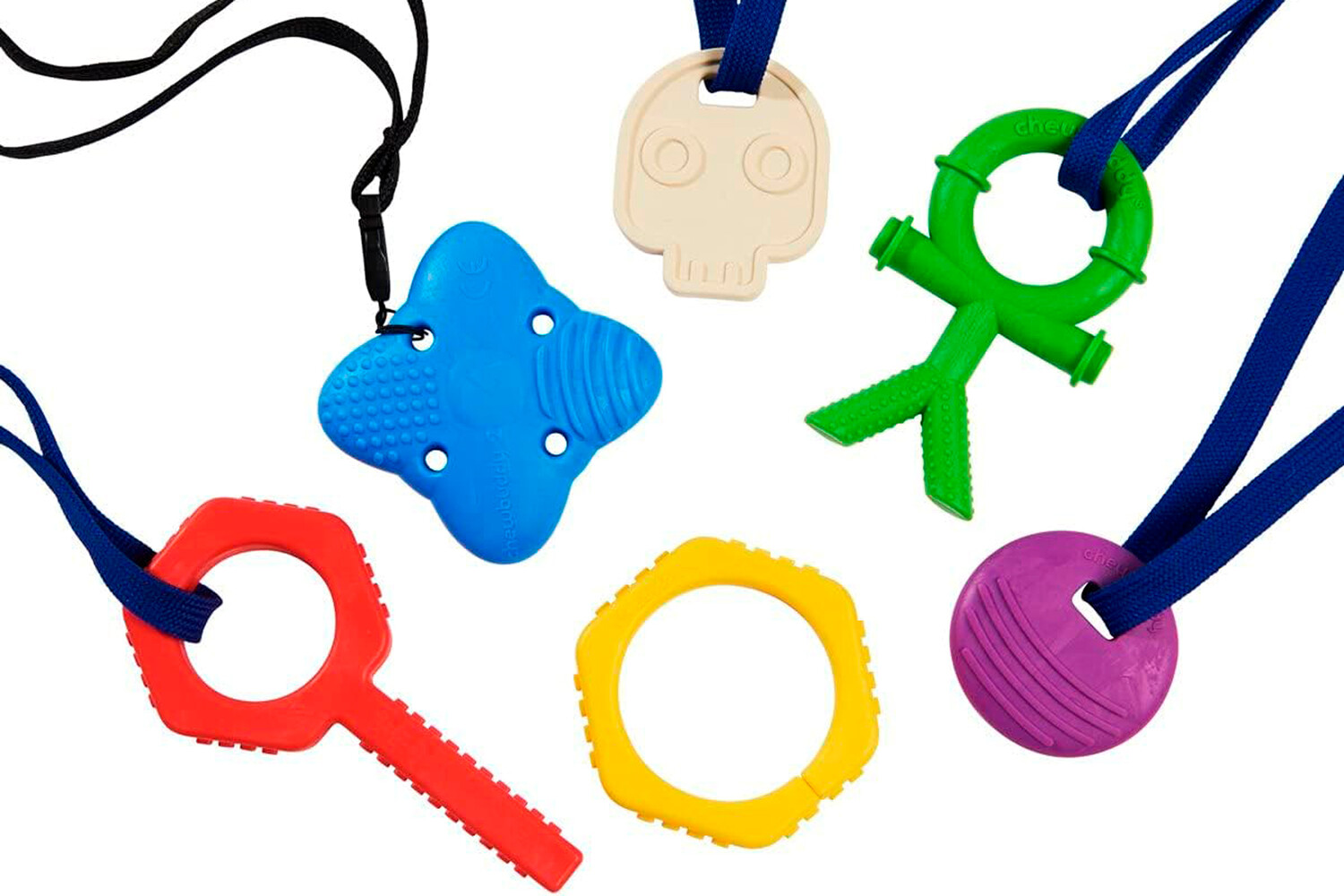
The need for sensory experiences in the mouth area is often found in people with ASD. To prevent a child from chewing their nails, fingers, collar, or other unsuitable objects, they are offered special devices: silicone pendants in the shape of various figures, special silicone bracelets, and so on.
But what if a child with autism has grown up, goes to work, and the need to chew on something still persists? It feels awkward to wear a huge pendant in the shape of a pink unicorn around your neck and periodically chew on it.
Companies have emerged that have started developing jewelry capable of satisfying the sensory needs of an adult.
Such accessories are unobtrusive, but if necessary, they can be chewed or twisted in hands without attracting attention.
For those who like to spin something with their fingers, rings and pendants with movable elements are suitable. Such accessories are sold in special stores for people with differences, but it turns out that they are eagerly purchased by neurotypical people.
For teenagers and adults who unconsciously start chewing on pencils or pens, it is recommended to use special tips for pens made of durable food-grade silicone — this is more hygienic and safer for teeth. The most common shape of such a device is a chess knight.
Weighted Blanket
The problem of falling asleep can arise for both children and adults, regardless of age. There can be many reasons. But there is a strategy that helps in some cases — a special weighted blanket.

Why does a person with ASD need weight? One of the problems for such individuals is that their brain does not register information about the boundaries of their body very well. And this is one of the reasons for the increased anxiety that troubles them during the day and prevents them from falling asleep at night.
An occupational therapist may recommend that a child with autism use a weighted vest during certain activities and cover themselves with a weighted blanket while falling asleep. The deep tactile sensations that occur under this blanket are similar to tight hugs. They have a calming effect on most people. Therefore, many neurotypical individuals have also enjoyed falling asleep under a weighted blanket.
Does the interest in these items indicate that we are all becoming autistic? No. Most likely, all these items have become popular among neurotypical people because our way of life has changed significantly. A lack of tactile sensations, insufficient movement, multitasking, and a frantic pace of life — all of this leads to stress. And sensory devices help calm down and provide pleasant sensations.














Leave a comment