
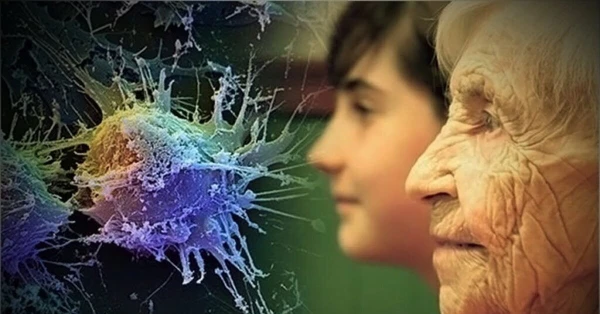
Scientists from the University of Virginia School of Medicine have discovered a key mechanism that triggers age-related inflammation and accelerates the aging process. This discovery could serve as a basis for new ways to prevent cardiovascular and neurodegenerative diseases, as well as improve the quality of life in older age.
How Inflammation is Related to Aging
Researchers have found that chronic inflammation arises from impaired calcium signaling in the mitochondria of certain immune cells. Mitochondria are responsible for energy production, and their function directly depends on proper interaction with calcium.
As we age, macrophages — cells that protect the body from pathogens and clear it of "cellular debris" — begin to use and absorb calcium less effectively. This makes them less efficient and leads to an excessive inflammatory response, which in the long term accelerates biological aging.
What Scientists Propose
According to the lead researcher Bimal N. Desai, improving the ability of macrophages to absorb calcium may reduce inflammation and slow the development of age-related diseases.
This approach could potentially:
- slow down neurodegenerative processes;
- reduce the risks of cardiovascular disorders;
- strengthen the immune system in older age.
At the same time, scientists emphasize that the problem is not a lack of calcium, but rather the inability of cells to use it properly. Therefore, calcium supplements will not solve the problem — activation of specific molecular mechanisms within immune cells is necessary.
Why This Discovery is Important
Macrophages are present in almost all organs, including the brain, so their function affects the overall state of the body. New data help to understand why the immune system becomes weaker and more prone to chronic inflammatory processes in older age.
The study also suggests that the discovered mechanism may act in other types of immune cells, opening up even more possibilities for the development of future therapeutic methods.
Source: autogear















Leave a comment