
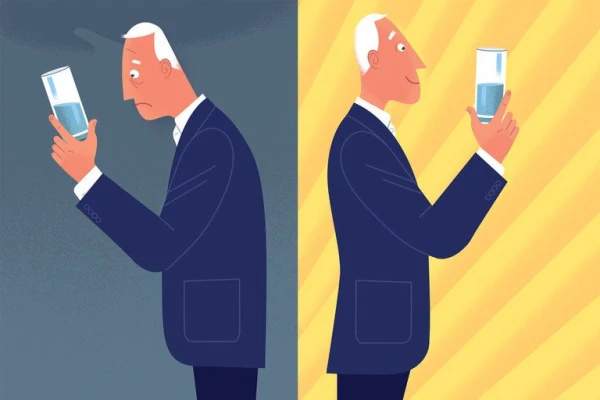
Scientists from London have attempted to scientifically determine which outlook on life — optimistic or pessimistic — better helps us navigate the world and maintain health. The study showed that both positions have their advantages, and their impact on the body is much more complex than it seems.
How the Perception Model Works
Specialists from University College London have created a mathematical equation that allows for the assessment of how inclined a person is towards optimism or pessimism. The model analyzes real events, the probabilities of their occurrence, and how we interpret this data. For example, if the forecast promises a 60% chance of rain, and a person is confident that they will stay dry, this is classic optimism.
As people age, their views change: they more often notice negative outcomes and become more cautious. Young people, on the other hand, tend to see the world in a brighter light — not due to a sense of invulnerability, but because of a natural positive assessment of the future.
What Happens in the Brains of Optimists
Studies using neuroimaging have shown that optimists have more active neural pathways that enhance positive emotions. This is related to dopamine — a neurotransmitter that determines how we perceive good and bad.
Scientists have also discovered that the functioning of dopamine receptors can be influenced by transcranial magnetic stimulation. This method allows for the alteration of event perception by regulating the activity of certain areas of the brain. While these are just initial steps, they open up prospects for future methods of psychological assistance.
What is Healthier for Well-being
It turns out there is no strict answer. Optimists tend to take more risks and move forward more easily, which can help in achieving goals. However, they are also prone to ignoring potential dangers. Pessimists, on the other hand, are more attentive, cautious, and better at noticing threats, which reduces the likelihood of rash decisions.
This data may help in developing new approaches to psychotherapy, allowing people to more accurately assess the consequences of their actions and become psychologically more flexible.















Leave a comment