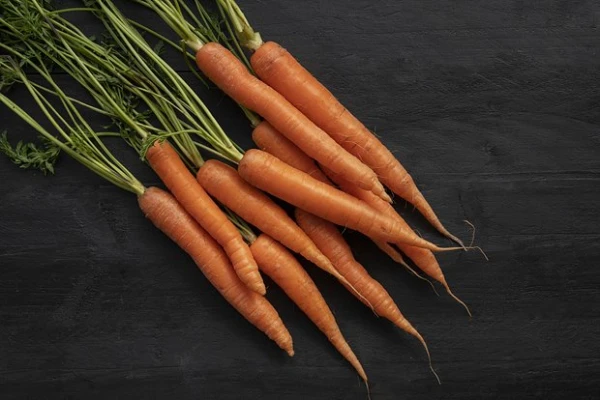
Consumption of carrots may reduce the risk of developing colorectal cancer.
Scientists from South Korea and China have found that regular consumption of carrots can significantly reduce the risk of developing colorectal cancer—especially if they are grown using fertilizers containing minerals from deep-sea water. The study was published in Frontiers in Immunology (Front Immunol).
In the experiment, carrot extract reduced the number of tumors and inflammation in laboratory mice with induced colorectal cancer. The most pronounced effect was shown by the Naturaldream variety of carrot, which enhanced the activity of genes responsible for the self-destruction of damaged cells and suppressed inflammatory cytokines—TNF-α, IL-6, and NF-κB.
The researchers also noted that the animals receiving carrots had a restored balance of intestinal microflora: the number of bacteria associated with protecting the mucosa and inhibiting tumor growth increased. According to the researchers, the results confirm that soil composition and type of fertilizers directly influence the anti-cancer properties of plants.
The authors believe that such varieties of carrots could become part of dietary prevention of colorectal cancer, especially in combination with other antioxidant products.