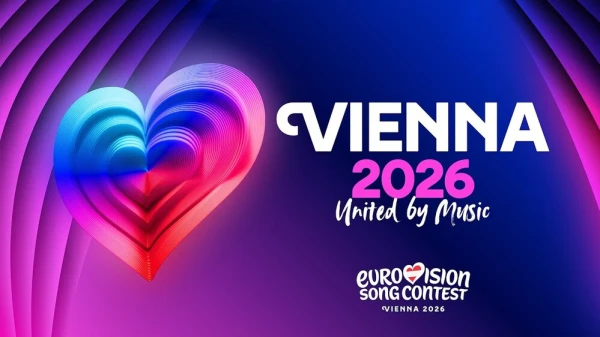
The atmosphere surrounding the Eurovision contest, traditionally associated with bright shows, music, and celebration, has noticeably changed this year. Instead of the usual anticipation of spectacle, political disputes and calls for a boycott are increasingly heard. Hundreds of well-known artists — including Massive Attack, Sigur Rós, and Kneecap — have openly appealed to fans, colleagues, and broadcasters to refuse participation and support for the contest.
Open Letter and No Music for Genocide Campaign
Musicians expressed their statement in an open letter published as part of the "No Music for Genocide" campaign. The authors emphasize that this is not an attempt to "cancel" music as a phenomenon, but a refusal to use it as a cover for political decisions. The number of signatories has already exceeded one thousand. They draw a direct parallel with the decision to exclude Russia from the competition in 2022 and question the consistency of the organizers' principles.
The Issue of Israel's Participation and EBU's Position
The main discontent is related to the fact that the Israeli broadcaster KAN has been allowed to participate again despite ongoing military actions. According to the protesters, this decision undermines the declared principle of political neutrality of the competition, which the European Broadcasting Union insists upon. For many artists, the situation goes beyond the entertainment industry and becomes a matter of personal stance. Members of the group Kneecap state outright: in such circumstances, silence is tantamount to complicity.
Division Within the Music Community
The discussion surrounding the competition has rapidly transcended professional circles and turned into a large public debate. Some continue to insist that "music is outside politics" and should unite people regardless of circumstances. Others are convinced that in the context of global conflicts, neutrality itself becomes a political choice — and not always a morally justified one. Meanwhile, some countries have already expressed their readiness to withdraw from participation in solidarity with the protesters, further intensifying the tension surrounding the upcoming competition.
Arguments of Boycott Supporters
The signatories of the petition emphasize that they are not against Eurovision itself, but against what they call an attempt to "whitewash" reputation through culture. They remind of historical precedents when the music and cultural community united in protest — for example, during the struggle against apartheid in South Africa. In their view, art should reflect reality, not mask it behind bright decorations and spectacular shows.
The Most Challenging Contest in Recent Years
The organizers of Eurovision find themselves in an extremely difficult situation. The European Broadcasting Union's desire to maintain balance and adhere to previous rules clashes with growing pressure from artists and part of the audience. Amid discussions of format, voting, and broadcasts, the main intrigue unfolds beyond the stage. The focus is not only on music but also on the question of the boundary between entertainment and ethics.
And while preparations for the contest continue, more and more voices are asking the question: can the show go on as usual when thousands of people demand to stop and reconsider the rules of the game.