Research shows that altruism in animals may be the result of evolutionary processes.
Biologists have applied computer modeling to analyze the behavior of animal groups. Mathematical calculations have demonstrated that altruistic individuals in a herd gain certain benefits.
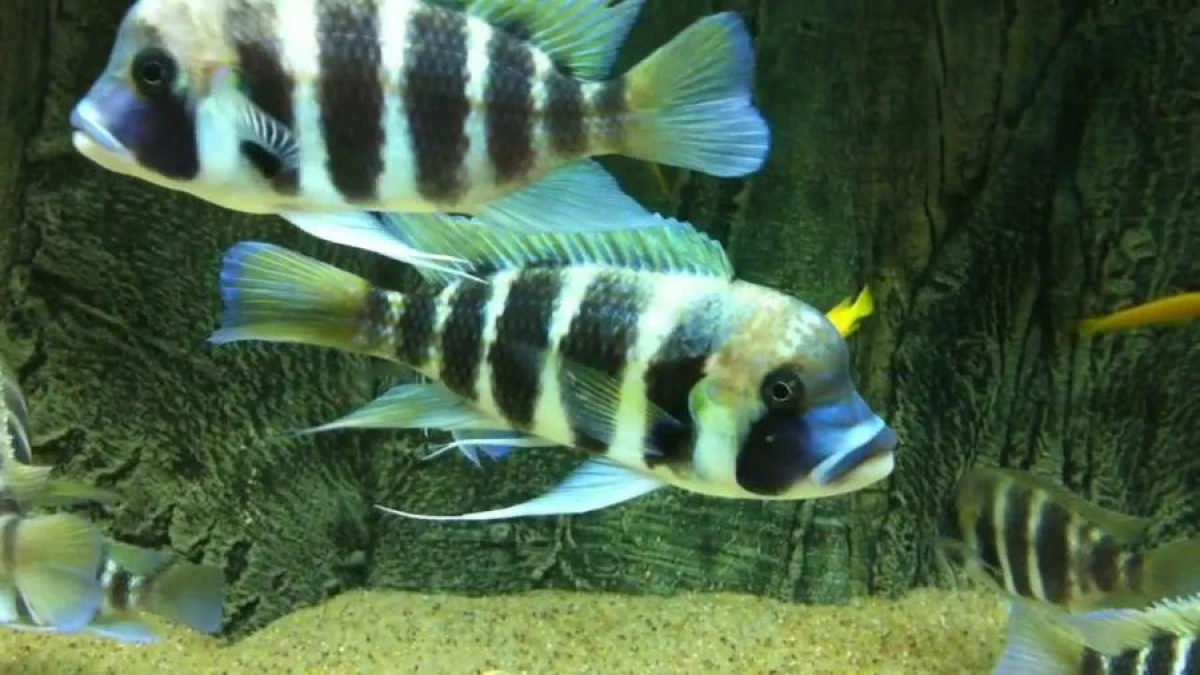
Altruism is defined as selfless concern for the well-being of others, often at a cost to oneself. Although this quality is typically associated with humans, behavioral biology knows many examples of such assistance among animals, including mammals, birds, insects, and fish, such as the cichlids of Lake Tanganyika.
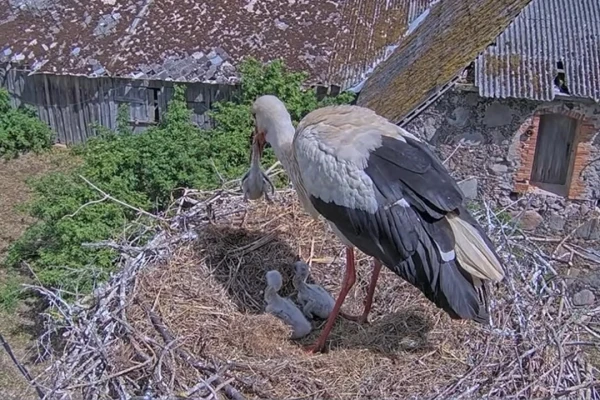
A striking example of altruism is the rearing of others' offspring, where individuals postpone their own reproduction. This process is called cooperative breeding: only the dominant pair produces offspring, while the other group members help in raising them.
From an evolutionary perspective, this may seem illogical, as individuals care for others' offspring.
To determine the reasons for selfless assistance, scientists used mathematical models. They identified which behaviors contribute to better genetic fitness and survival rates. Two main scenarios were identified.
1. The young may be close relatives of the “nannies” — older siblings. Caring for them increases the chances of survival and the transmission of shared genes. This mechanism is called “kin selection.”
2. “Individual selection” arises in environments where there are many predators and threats. Caring for others' offspring contributes to the survival of more young, which increases the group's size. This reduces the risk of predator attacks and enhances the survival chances of the caregivers.
The choice of scenario depends on environmental conditions.