According to a recent medical report, two hunters in the U.S. have fallen victim to a rare prion disease. It is particularly alarming that they may have contracted it from North American deer suffering from chronic wasting disease (CWD). If confirmed, such cases would be the first of their kind.
A study published in the journal Neurology described the case of a 72-year-old man who unexpectedly began experiencing confusion and aggression in 2022.
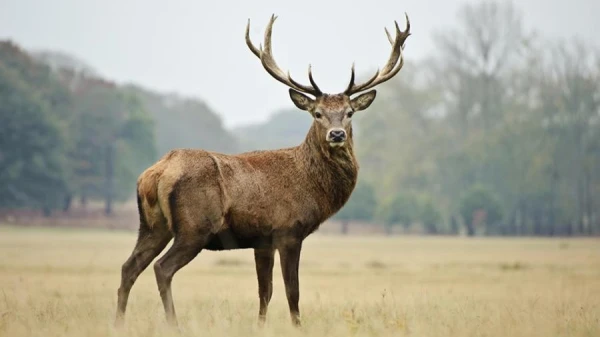
Doctors determined that the patient and his companion had previously consumed venison from a population of deer infected with chronic wasting disease. This prion disease is observed in nearly all members of the deer family and has been dubbed the 'zombie virus of deer' because infected animals rapidly lose weight, stumble, drool, and have poor spatial orientation.
The condition of both men rapidly deteriorated, and soon they passed away within a month of each other. An autopsy revealed that the patients had developed sporadic Creutzfeldt-Jakob disease, the most common form of prion disease in humans.
Chronic wasting disease and Creutzfeldt-Jakob disease share similar symptoms, raising concerns among medical professionals that the men may have fallen victim to prions transmitted through venison. If confirmed, they could become the first people in the world to contract chronic wasting disease.
What are the risks of prion diseases?
Prion diseases arise from misfolded proteins that are naturally present in healthy cells of the body (especially in the brain). As a result of this process, the brain of the affected individual takes on a spongy structure.
The patient begins to experience a variety of mental and physical symptoms, including severe depression, hallucinations, memory loss, aggression, and coordination difficulties.
Ultimately, the disease leads to death. Currently, there is no effective treatment.