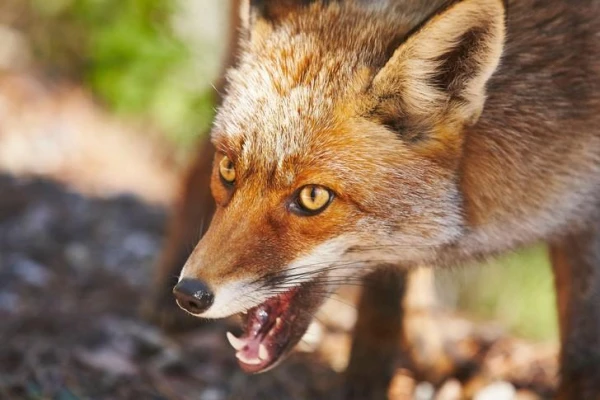
Hunter-gatherers living in modern-day Argentina maintained friendly relations with foxes.
Archaeologists discovered the remains of one of the foxes, which were found alongside human burials in the southern Argentine province of Mendoza back in 1991. This site was once home to hunter-gatherers who lived here 1,500 years ago. During the excavations, more than three thousand human bones were extracted, as well as a nearly complete skeleton of the now-extinct fox species Dusicyon avus. Initially, it was attributed to another closely related species — the Falkland Islands fox Dusicyon australis (also extinct), but later genetic studies confirmed its true identity. But why do the authors of a recently published article in the Royal Society make the bold conclusion that this was almost a domesticated fox? The answer lies in its bones.
Firstly, the fox was buried next to a human, indicating a special relationship with it. The high degree of preservation of the animal's skeleton also suggests that the fox was unlikely to have been acquired by ancient hunter-gatherers as a trophy. Perhaps it was a ritual sacrifice — maybe the buried person was an outstanding fox hunter, and his tribesmen honored his achievements in this way? However, isotopic analysis of the fox's bones disproved this hypothesis. The fact is that depending on the diet, different isotopes of carbon and nitrogen accumulate in the body of each creature. For example, by analyzing the chemical (more precisely, isotopic) composition of the bones, one can determine whether the animal was herbivorous or carnivorous, as well as find out what types of plants or animals it fed on.
As a result of the analysis, it became known that the Argentine fox was almost a vegetarian — a significant part of its life was spent eating plant food. It is quite difficult to imagine a wild fox refusing meat and being able to survive for a long time. A more plausible explanation would be that its life was mostly spent near humans, who could have fed it food “from their table.” Moreover, the hunter-gatherers inhabiting this area gathered more than they hunted — this is evidenced by the isotopes in their bones. In any case, this finding highlights the diversity of relationships between ancient people and the animal world. Perhaps this was the world's first experiment in domesticating foxes?