Many perceptions of bears are shaped by children's books. The clumsy sweet-tooth that sleeps all winter — this is how we perceive this powerful animal. But have you ever wondered how bears cope with hibernation? Do they wake up to sounds? And what about the bathroom situation?
Even a person can get up in the middle of the night to go to the bathroom! Can bears really hold it for months...
Hibernation in bears typically lasts about six months, and during this period, many species, such as the black bear (Ursus americanus), can reduce their heart rate from 55 beats per minute to just 9! Metabolism also slows down by 53%. The body seems to enter a state of rest, and the bear has no desire to go to the bathroom... but why does this happen?
To understand what happens in a bear's body, it is necessary to grasp the concept of “hibernation.” Hibernation is a period of slowed life processes in animals under conditions of food scarcity. During this time, the rate of circulation and metabolism significantly decreases. Nevertheless, during hibernation, bears maintain a high body temperature, which allows them to carry their young and remain alert in case of danger.
Some researchers argue that bears do not actually enter true hibernation but rather a state of torpor, which means that the animal simply sleeps a lot. But if it can be easily awakened, then why don’t bears go to the bathroom?
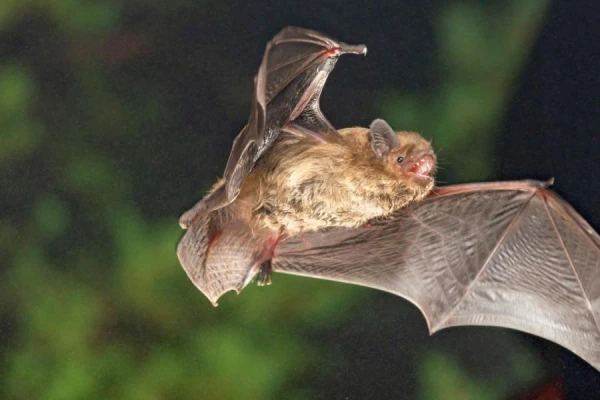
Torpor in winter is not only observed in bears! This interesting feature is also found in groundhogs, dormice, lemmings, and some species of hedgehogs. In tropical regions, certain species of bats enter torpor in the summer to conserve water and resources.
The answer to this question was obtained by biologists a long time ago when they studied the strange masses in a bear's intestine. It was initially believed that a special diet before hibernation creates a “plug” of indigestible material in the animal's body, blocking the movement of feces until spring. However, subsequent studies showed that this “plug” is formed from the animal's own excrement!
But why do waste products continue to accumulate in the intestine of an animal that hasn’t eaten for a long time? The fact is that in the den, the bear continues to groom itself, eating fur and some plant materials found in its dwelling. All of this contributes to the formation of the future plug.