Although this topic may seem extremely unpleasant to humans and is associated with mental disorders, for many animals, it is a completely natural process. Moreover, for some species, eating feces (their own or others') is vital, as it helps absorb nutrients. Let's delve into this unpleasant but biologically quite normal phenomenon.
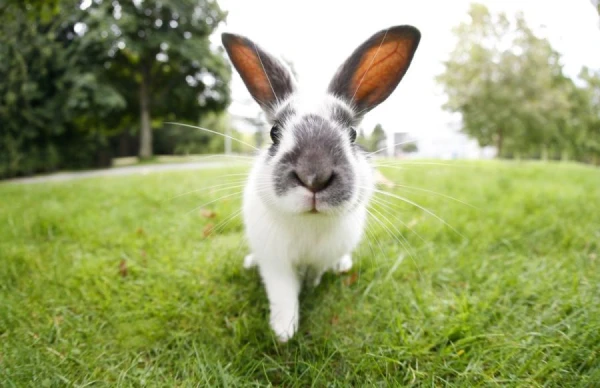
Coprophagia in humans can indicate serious mental disorders, such as consciousness disturbances in catatonic schizophrenia, self-aggressive behavior, dementia leading to bulimia, and other disorders, up to mental marasmus. At the same time, a perfectly healthy rabbit can calmly nibble on its evening feces, and its peers will not consider it abnormal.
This behavior is observed in mice, rats, hamsters, naked mole rats, chinchillas, guinea pigs, beavers, elephant calves, and hippos, as well as in our closest relatives — primates (gorillas, orangutans, and rhesus macaques).
In lagomorphs, the gastrointestinal tract is structured in a special way. After food passes through the stomach and small intestine, it enters the large intestine, where bacteria cause fermentation, breaking down hard plant fibers. In rabbits, this fermentation process occurs in the cecum, a small pouch at the beginning of the large intestine. The problem is that nutrient absorption occurs in the rabbit's stomach and small intestine, that is, at earlier stages of digestion. However, rabbits have found a way to solve this issue.
The cecum of these long-eared animals produces cecotrophs — specific pellets rich in nutrients. Rabbits excrete them at night and immediately consume them, allowing them to effectively absorb nutrients during the second passage of food through the digestive system. Cecotrophs accumulate in the blind end of the stomach, from where they enter the intestinal canal and aid in the breakdown of cellulose. They contain bacteria, protozoa, yeasts, and products of their fermentation, including amino acids, volatile fatty acids, vitamins, and enzymes. Under the conditions of cecal microflora, vitamins and amino acids are synthesized, including B vitamins.
If a rabbit stops eating regular food or refuses its nightly “deeds,” this is a clear sign that the animal is unwell and should be taken to a veterinarian. After all, the overall health of rabbits largely depends on the condition of their intestines.
Many animal infants, including elephants and hippos, eat the feces of their mothers or other herd members when transitioning from maternal milk to solid food. Eating feces helps infants develop a healthy gut microbiota, which, in turn, contributes to normal digestion. Even mammoth calves ate their mothers' feces. A study of a fossilized mammoth calf named Lyuba, found in Yamal, showed that her stomach contained the feces of an adult mammoth.
In the wild, finding food can be challenging, so coprophagia has become a mechanism that allows animals to extract maximum benefit from the food they eat, allowing it to pass through the digestive system a second time. Some animals rely on this mechanism to obtain certain nutrients produced by microbes residing in their intestines. It is a kind of zero-waste production.
There are differences between herbivorous and carnivorous animals. The reasons why dogs sometimes eat feces still lack a unified explanation. Scientists have proposed several hypotheses: a deficiency of certain trace elements in the diet, boredom, or even mental disorders. So next time, before kissing your pet, make sure it hasn't dined from the cat litter box: it's normal for them, but not for you.